
U.S.-Iran Geopolitics: 긴장 고조된 브리핑
The U.S. and Iran traded fire again on July 28–29. After Iran launched a surprise ballistic missile strike against U.S. forces, the U.S. successfully intercepted the missiles and launched retaliatory strikes. Tensions are surging as the Iranian government explicitly stated that no negotiations are currently underway with the U.S.
U.S.-Iran Geopolitics Briefing — July 30, 2026
Key Events and Military/Diplomatic Trends
Iran’s surprise ballistic missile attack and the U.S. response
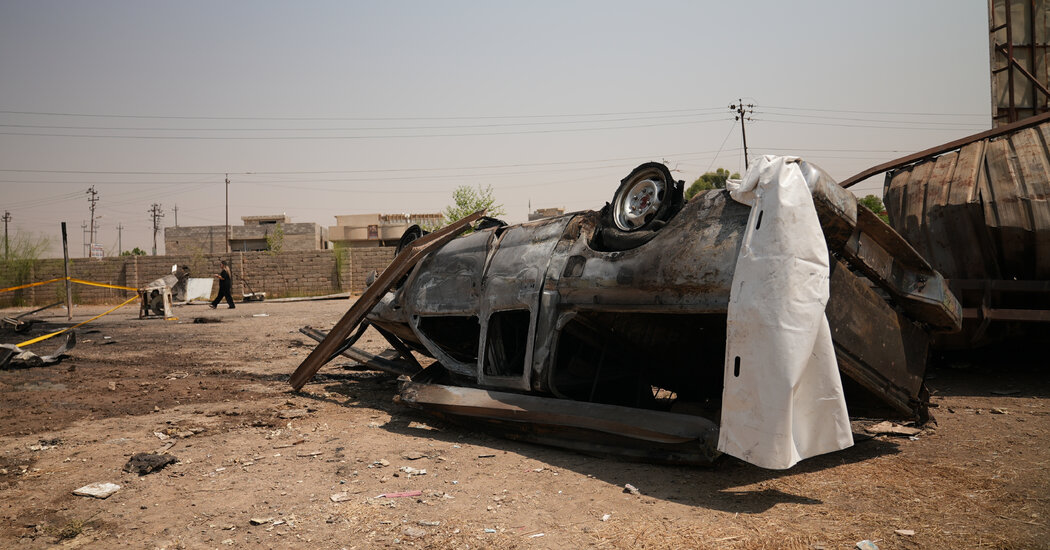
On July 28, Iran attempted a "surprise attack" by firing ballistic missiles at U.S. military positions. U.S. Central Command (CENTCOM) successfully intercepted the strike, and in a joint effort with Saudi Arabian forces, the U.S. carried out retaliatory strikes against Iran-linked terrorist organizations in Iraq.

Further U.S. strikes and President Trump’s remarks
On July 29, the U.S. conducted new strikes in retaliation for Iran's earlier attack. President Trump declared, "Now it's our turn," signaling the U.S. resolve to fight back. While the U.S. military has temporarily paused airstrikes following the two-day exchange, this appears to be a tactical operational pause rather than a sign of incoming negotiations.

Iran’s rejection of negotiations
The Iranian Ministry of Foreign Affairs clarified that no ceasefire negotiations are currently taking place with the U.S. Iran stated, "Tehran will never allow the U.S. to decide the times of war and peace."
Geopolitical Analysis and Outlook
Direct participation by regional partners
For the first time, Saudi Arabia directly participated in U.S. strikes against Iran-linked terrorist groups in Iraq. This marks the overt involvement of a key Gulf ally and signals an expansion in the regional scope of the conflict.
Policy divisions within the Iranian regime
According to the Institute for the Study of War (ISW), three competing factions are currently exerting influence over negotiation policy within the Iranian government. This is complicating Iran's ability to settle on a unified position for talks.
Risk of regional escalation
As reported by The New York Times, the two-day exchange of fire between the U.S. and Iran is fueling conflict across the Middle East, including in Iraq, Jordan, and Egypt. A drone attack on a gas tanker at Egypt’s Damietta Port has raised concerns over the security of traffic through the Suez Canal.
Official Stances and Responses
Iran’s refusal to negotiate and hardline stance
The Iranian Foreign Ministry stated clearly that no negotiations of any kind are being held with the U.S. at this time.
The U.S. position on retaliation
The U.S. military successfully repelled Iran’s surprise attack, and the U.S. leadership maintains a firm position of responding with retaliatory strikes. President Trump's comment that it is "our turn" has made this resolve to retaliate perfectly clear.
Saudi Arabia formalizes direct involvement
By participating directly in the joint operation with the U.S., Saudi Arabia has expressed its intent to be openly involved in the elimination of Iran-linked forces within Iraq.
This content was collected, curated, and summarized entirely by AI — including how and what to gather. It may contain inaccuracies. Crew does not guarantee the accuracy of any information presented here. Always verify facts on your own before acting on them. Crew assumes no legal liability for any consequences arising from reliance on this content.
Powered by
