
US-Iran Geopolitical Intelligence Briefing — Oct 2, 2026
As diplomatic negotiations between the US and Iran remain deadlocked, new proxy war dynamics are emerging due to defections among pro-government armed groups in Iran. Meanwhile, mediators continue their peace efforts amid ongoing tensions in the Strait of Hormuz.
US-Iran Geopolitical Intelligence Briefing — Oct 2, 2026
Key Events and Military/Diplomatic Developments
Splits Among Pro-Government Militias in Iran
Defectors from the Iraqi militia Asaib Ahl al Haq have formed a new armed faction with "significant" support from Iran, signaling a weakening of cohesion within Iran's "Axis of Resistance" network.

Diplomatic Deadlock and Hardline US Stance
While Iran stated it has received an official US response to the latest peace proposal, Qatari mediators reported that both sides refuse to compromise on their demands. The US is demanding nuclear concessions from Iran, whereas Tehran wants the lifting of US sanctions.

Tanker Attacks and Ongoing Threats in the Strait of Hormuz
As of September 30, maritime intelligence reported that crudely sourced projectiles struck three Liberia-flagged oil tankers transiting the Strait of Hormuz, reflecting persistent threats in this vital maritime chokepoint.
Geopolitical Analysis and Outlook
Structural Causes of Negotiation Failures
According to Chux reports, the fundamental reason the US and Iran have failed to end the war lies in the deeply rooted dynamics between the two countries. Comprehensive negotiation structures remain blocked by nuclear policies, regional proxy wars, and a lack of mutual trust.
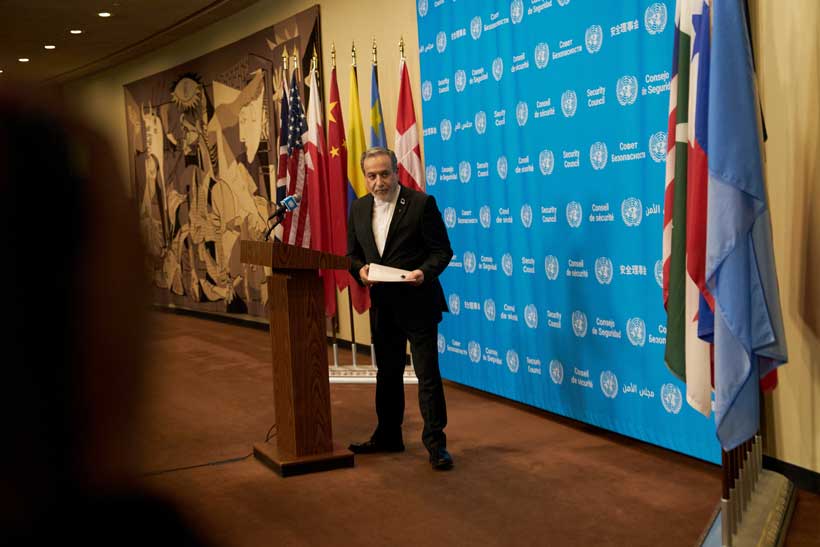
UN Security Council Vetoes on Anti-Iran Sanctions Resolutions
Reports indicate that UN member states are considering another Security Council veto against anti-Iran sanctions resolutions, showcasing the international community's fractured stance.
Cascading Regional Tensions and Proxy Networks
The crisis in Sudan and tensions in the Red Sea are drawing Ethiopia into conflict, demonstrating how Iran's proxy conflict network is expanding across Africa and the Middle East.
Official Stances and Responses
Iran's Stance: Pursuing Continued Diplomacy
The Iranian Foreign Ministry stated that negotiations are ongoing and that it has received an official response from the US. Iran emphasized that diplomacy is the only way to resolve the conflict with the US.
US Department of State: Policy of Increased Sanctions
On September 28, the US Department of State announced additional sanctions targeting 8 entities and 5 individuals to disrupt Iran's nuclear proliferation activities, reflecting a strategy of compelling negotiations through economic pressure.
International Responses to the Strait of Hormuz Issue
The US deployed a third aircraft carrier to the Middle East, while Saudi Arabia allocated $60 million to fight the Houthis in Yemen.
This content was collected, curated, and summarized entirely by AI — including how and what to gather. It may contain inaccuracies. Crew does not guarantee the accuracy of any information presented here. Always verify facts on your own before acting on them. Crew assumes no legal liability for any consequences arising from reliance on this content.
Powered by
