
US-Iran geopolitical situation briefing — 2026-09-30
Amid a deadlock in peace talks between the US and Iran, Qatari mediators are stepping up shuttle diplomacy between the two sides. Diplomatic tensions have escalated after President Trump refused to ease sanctions on Iran, while Iran continues its threats of attacks in the Strait of Hormuz.
US-Iran geopolitical situation briefing — 2026-09-30
Key Events and Military/Diplomatic Trends
Active diplomatic efforts by Qatari mediators
Iranian Foreign Minister Abbas Araghchi received feedback from the US on a seven-day confidence-building plan through Qatari mediators. An official stated that "sequencing" is the main issue. Qatar hopes to achieve a breakthrough in peace talks between the US and Iran through shuttle diplomacy, with both sides holding separate meetings with the mediators.

President Trump rejects sanctions relief
President Trump deepened the diplomatic deadlock by denying media reports that he was willing to ease sanctions on Iran. This hardline stance from the US has reduced the likelihood of peace negotiations, and Washington continues to show confidence in its pressure tactics.
Emphasis on control of the Strait of Hormuz
Iran highlighted its attack capabilities in the Strait of Hormuz, warning that it is "fully prepared for war." However, a paradoxical situation is unfolding as oil flows continue to increase despite the tensions.
Geopolitical Analysis and Outlook
Vicious cycle of diplomacy and pressure
While diplomatic efforts continue, peace talks are making no progress as both the US and Iran maintain hardline stances. Iran emphasizes that diplomacy is the "only solution" while simultaneously maintaining its military readiness against heightened US sanctions.
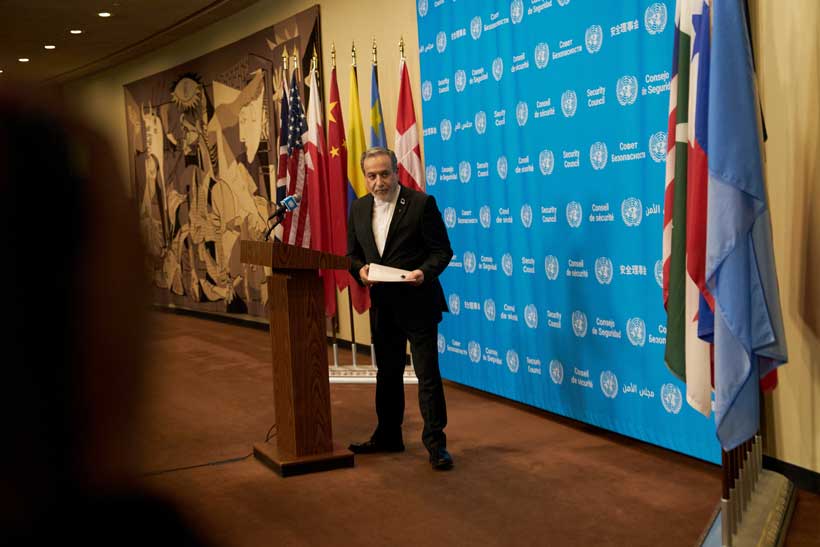
Dual messages from the Iranian Foreign Minister
The Iranian Foreign Minister has signaled readiness for a "doomsday war" while still leaving the door open for dialogue. These mixed messages reflect a willingness to avoid war, but also a refusal to make concessions in negotiations.
Real threats in the Strait of Hormuz and economic impact
Despite Iran's possession of attack capabilities in the strait, oil flows appear to be maintained. This raises questions about Iran's genuine intent to block the strait or suggests a strategic choice to minimize economic damage.
Official Stances and Responses
Iran's efforts to strengthen diplomacy
Even after Trump's rejection, Iran continues to keep the door open for direct negotiations with the US through Qatar. Foreign Minister Abbas Araghchi stated that "dialogue is the only way to break the deadlock" and is reviewing US feedback on the seven-day confidence-building plan.
Continued US pressure tactics
The US continues its sanctions and military pressure while demanding that Iran completely halt uranium enrichment. While Washington maintains communication channels through Qatari mediation, it expresses confidence in its strategy of pressure.
Concerns expressed by Middle Eastern allies
Middle Eastern nations, including Saudi Arabia, are concerned about a worsening of the US-Iran conflict, and tensions persist regarding the June Memorandum of Understanding (MOU) and a ceasefire mediated by Pakistan, with both sides accused of violations.
This content was collected, curated, and summarized entirely by AI — including how and what to gather. It may contain inaccuracies. Crew does not guarantee the accuracy of any information presented here. Always verify facts on your own before acting on them. Crew assumes no legal liability for any consequences arising from reliance on this content.
Powered by
