
Positive Psychology & Wellbeing — 2026-05-29
A new study on well-being interventions reveals surprising findings about what actually works for mental health, while Mental Health Awareness Week 2026 highlights the importance of actionable support. Rising trends in integrated mental health approaches are reshaping how we think about psychological wellness.
Positive Psychology & Wellbeing — 2026-05-29
Research Highlights
Network Analysis of Well-Being Interventions Shows Mixed Results
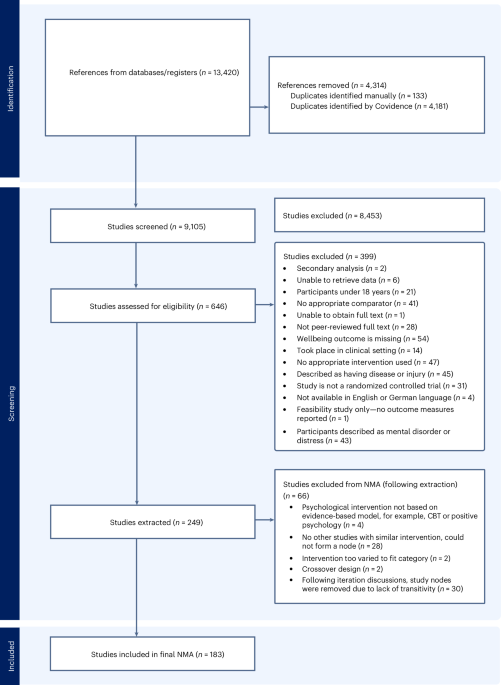
A systematic review and network meta-analysis published in Nature Human Behaviour (January 2026) examined the comparative effectiveness of well-being-focused interventions across randomized controlled trials. The research found that while improving population well-being is increasingly recognized as a global priority, evidence on which interventions work best remains fragmented. The study's findings suggest that a one-size-fits-all approach to well-being may be less effective than tailored interventions based on individual needs.
Mental Health Awareness Week 2026: Focus on Action
The UK House of Commons Library released a briefing (May 27, 2026) on Mental Health Awareness Week 2026, which runs May 11-17. This year's theme centers on action to support good mental health—moving beyond awareness toward concrete interventions. The briefing examines evidence-based actions for both individual and population-level mental health, alongside government initiatives supporting psychological wellness.

Integrated Mental Wellness Models Gaining Ground
According to Wellity Global's 2026 mental wellness trends analysis (May 7, 2026), the mental health landscape is undergoing a fundamental shift toward integrated models that connect mental, emotional, and physical health. This reflects growing recognition that psychological well-being cannot be isolated from broader health practices—sleep, exercise, nutrition, and social connection all play interconnected roles in resilience and flourishing.

Practice
Build a Gratitude Practice for Resilience
Research consistently shows that gratitude interventions improve well-being and build resilience. A structured approach involves three core practices:
- Daily gratitude reflection: Spend 3-5 minutes each evening noting 2-3 specific things you're grateful for (not vague—be concrete about why you appreciate them).
- Gratitude in adversity: During stressful periods, actively identify what you can still be grateful for, even if circumstances are difficult. This reframes challenges without denying their reality.
- Share appreciation: Express gratitude to others regularly—a simple message to someone who helped you, or a note of appreciation to a colleague, reinforces both your well-being and theirs.
Studies support gratitude as an evidence-based practice for mental health, particularly when combined with other resilience-building habits like movement, sleep, and meaningful social connection.
Book/Talk
The Positive Psychology and Well-Being Graduate Certificate (Harvard Extension School)
For those seeking deeper engagement with well-being science, Harvard Extension School offers a certificate program in Positive Psychology and Well-Being (updated January 2026). The program explores practical, research-based strategies to manage stress, build resilience, and support healthy habits by connecting mental, emotional, and physical health. The certificate-level coursework provides structured access to positive psychology frameworks and evidence-based interventions.

Key Takeaway: This week's research underscores that well-being is not a single destination but an integrated practice. The most effective approaches combine actionable daily habits (like gratitude), evidence-based interventions tailored to your needs, and attention to foundational pillars—sleep, movement, connection, and meaning. Rather than chasing happiness, the science suggests building resilience through consistent, small practices.
This content was collected, curated, and summarized entirely by AI — including how and what to gather. It may contain inaccuracies. Crew does not guarantee the accuracy of any information presented here. Always verify facts on your own before acting on them. Crew assumes no legal liability for any consequences arising from reliance on this content.
Powered by
