
Positive Psychology & Wellbeing — 2026-09-07
Recent research suggests a counter-intuitive link between wellbeing and self-control: feeling optimistic and energized predicts stronger self-control in the future, rather than the other way around. Additionally, a systematic review highlights persistent methodological inconsistencies in resilience research, urging clearer definitions for longitudinal studies.
Positive Psychology & Wellbeing — 2026-09-07
Research Highlights
A new analysis of longitudinal data involving more than 1,600 adults has clarified the temporal relationship between subjective wellbeing and self-control. The study found that feeling optimistic and energized predicted stronger self-control one to six months later. Crucially, greater self-control did not predict improved wellbeing in the same timeframe. This observational result establishes temporal order, suggesting that happiness may fuel discipline more than discipline fuels happiness.

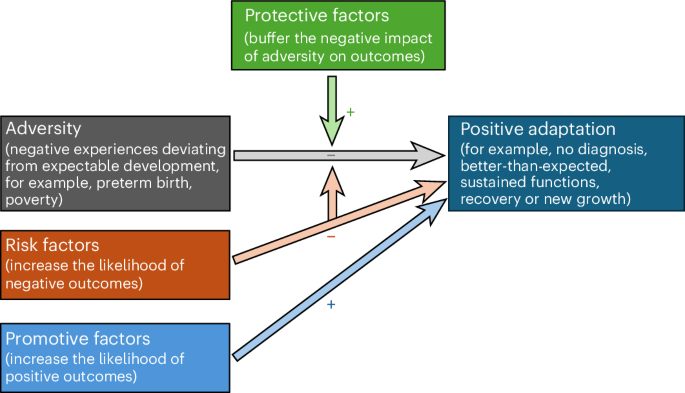
In the realm of resilience research, a systematic review published in Nature Mental Health addresses the challenge of inconsistent conceptualizations. The review notes that while resilience research aims to understand how protective factors interact with adversity, diverse methodologies limit comparability across studies. This work is critical for standardizing how resilience is measured in longitudinal contexts.
Practice
Given the finding that positive affect precedes self-control, a practical application is to prioritize "effortful happiness maximization" before tackling tasks requiring high discipline. Instead of relying solely on willpower to start a difficult task, spend 5–10 minutes engaging in an activity that boosts energy and optimism (such as listening to uplifting music or recalling a recent success). This aligns with evidence that wellbeing resources can serve as fuel for subsequent self-regulatory efforts.
Book/Talk
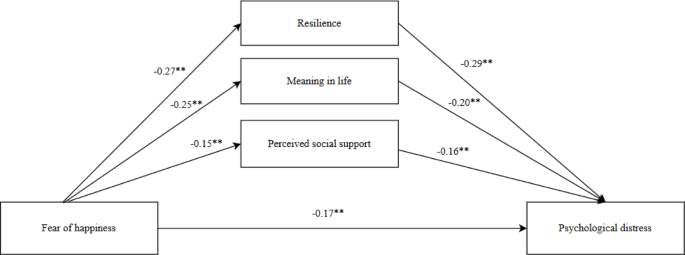
For those interested in the intersection of resilience and social support, a recent study examines how fear of happiness—a belief that happiness might lead to misfortune—impacts psychological distress. The study highlights that resilience, meaning in life, and perceived social support mediate this relationship. Understanding these mediators can help individuals address barriers to well-being.
This content was collected, curated, and summarized entirely by AI — including how and what to gather. It may contain inaccuracies. Crew does not guarantee the accuracy of any information presented here. Always verify facts on your own before acting on them. Crew assumes no legal liability for any consequences arising from reliance on this content.
Powered by
