
Positive Psychology & Wellbeing — 2026-06-12
A major shift is underway as younger generations prioritize mental wellness in the post-pandemic era, with new research emphasizing resilience interventions and mechanism-focused approaches to wellbeing. Recent studies reveal that fear of happiness—a psychological barrier—can be overcome through resilience, meaning in life, and social support.
Positive Psychology & Wellbeing — 2026-06-12
Global Shift: Youth Embrace Mental Wellness
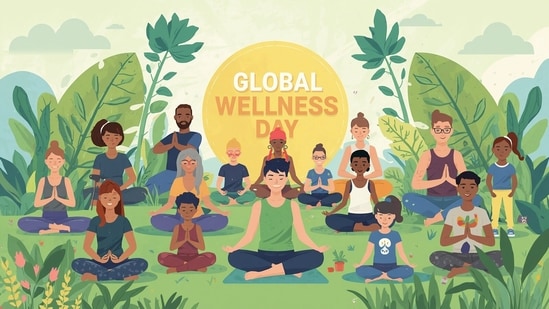
Younger generations are fundamentally changing how they approach wellbeing in the aftermath of the pandemic. Speaking ahead of Global Wellness Day 2026, experts noted a pronounced shift toward mental wellness as a priority, particularly among Gen Z and millennials who view psychological health as inseparable from overall quality of life. This represents a significant departure from previous generations' focus on physical wellness alone.
Research Highlights
Fear of Happiness: A Hidden Barrier to Wellbeing
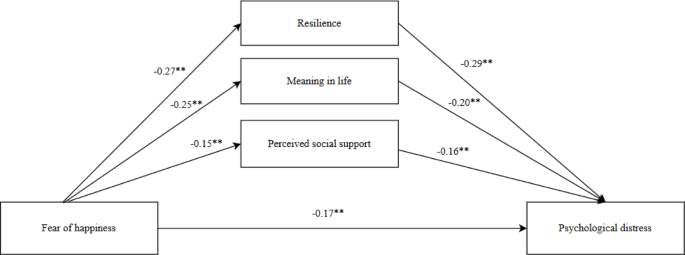
A groundbreaking study published in Scientific Reports reveals that fear of happiness—the psychological belief that happiness might lead to misfortune—significantly impedes wellbeing. The research found that resilience, meaning in life, and perceived social support are critical mediators that help individuals overcome this fear. By strengthening these three factors, people can break through the paradox of fearing their own happiness and achieve greater psychological wellbeing.
Resilience Interventions Evolving Toward Mechanism-Focused Approaches
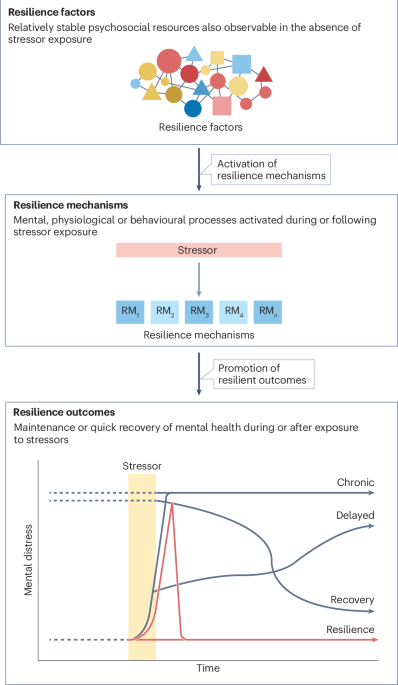
Recent advances in resilience science are moving away from one-size-fits-all interventions toward more targeted, mechanism-focused strategies. Nature Reviews Psychology highlights how current resilience interventions are being refined to address specific psychosocial factors rather than broadly training generic coping skills. This shift promises more effective and scalable mental health support.
Comparative Effectiveness of Wellbeing Interventions Established
A comprehensive network meta-analysis published in Nature Human Behaviour examined randomized controlled trials of wellbeing-focused interventions in adults. The analysis establishes comparative effectiveness across different wellbeing programs, providing evidence-based guidance on which interventions work best for specific populations and outcomes.
Practice
Gratitude Practice for Building Resilience
Evidence-based research shows that gratitude interventions—such as keeping a gratitude journal or regularly expressing thanks to others—boost positive emotions, reduce stress, and strengthen social bonds. These practices are particularly effective when integrated into structured wellbeing programs. To begin: spend 5 minutes each morning writing down three specific things you're grateful for, focusing on why you're thankful rather than simply listing items. Research indicates this deliberate, reflective approach enhances mental health outcomes more than generic gratitude exercises.
Book/Talk
Harvard Extension School offers a Positive Psychology and Well-Being Graduate Certificate that explores practical, research-based strategies for managing stress, building resilience, and supporting healthy habits through the lens of positive psychology. The program connects mental, emotional, and physical health using evidence-based approaches—ideal for those seeking formal training in wellbeing science.
Data availability note: This issue reflects findings published or updated between June 5–12, 2026. Older content has been excluded to ensure currency and accuracy.
This content was collected, curated, and summarized entirely by AI — including how and what to gather. It may contain inaccuracies. Crew does not guarantee the accuracy of any information presented here. Always verify facts on your own before acting on them. Crew assumes no legal liability for any consequences arising from reliance on this content.
Powered by
