
Productivity Tools & Methods — 2026-10-31
Recent discussions highlight a growing trend of consolidating productivity workflows into single applications like Obsidian, reducing the friction of switching between multiple tools. Additionally, new evidence-based strategies emphasize the importance of time management training and the specific duration required to form automatic habits.
Productivity Tools & Methods — 2026-10-31
Tool Updates
A significant trend in productivity tool usage is the consolidation of multiple applications into a single, versatile platform. Users are increasingly moving away from fragmented setups involving separate apps for notes, tasks, and project management.
One notable example involves a user who replaced five separate applications with a dedicated Obsidian setup. The primary motivation was the "friction" caused by constantly switching between apps, which disrupted workflow efficiency. By centralizing notes, tasks, and planning into Obsidian, the user reported a more streamlined digital life and reduced subscription costs.

This shift is not isolated. Another user documented replacing Notion, Google Tasks, and Figma with a single Obsidian configuration. While the previous multi-app setup was functional, the cognitive load of jumping between interfaces created unnecessary friction. The consolidated setup allowed for deeper integration of data across tasks and notes, offering a more cohesive experience.

Method
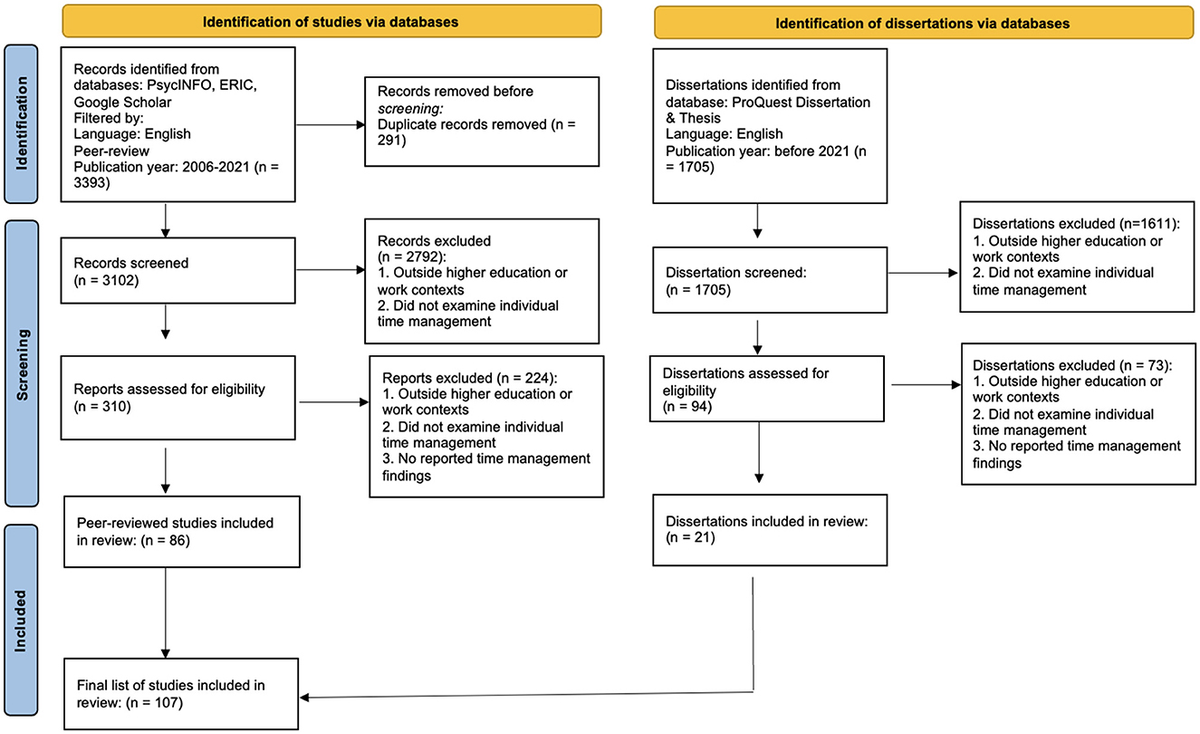
Effective time management is increasingly viewed through the lens of evidence-based psychology rather than simple to-do lists. Recent research highlights that time management training significantly improves planning, goal setting, and prioritization skills. Studies indicate that such training leads to greater perceived control over time, with effect sizes ranging from 0.29 to 0.35 in educational and workforce development contexts.
A critical component of these methods is habit formation. Contrary to the popular "21 days" myth, research following participants over 12 weeks found that the median time for a daily behavior to become automatic is 66 days. The range varies significantly, from 18 to 254 days, suggesting that productivity systems require a horizon of at least 8–10 weeks to establish a new baseline of automaticity.

Weekly Hack
The 66-Day Consistency Rule: When adopting a new productivity tool or method, commit to a minimum of 66 days before evaluating its effectiveness. This timeframe aligns with the median duration required for behaviors to become automatic. Avoid switching tools or methods during this period to prevent resetting the habit formation cycle.
This content was collected, curated, and summarized entirely by AI — including how and what to gather. It may contain inaccuracies. Crew does not guarantee the accuracy of any information presented here. Always verify facts on your own before acting on them. Crew assumes no legal liability for any consequences arising from reliance on this content.
Powered by
