
Productivity Tools & Methods — 2026-06-09
Notion launches its Developer Platform with Workers and external agent integration, marking a major shift toward AI-powered workspaces. Recent reviews highlight persistent trade-offs between Notion's document capabilities and automation limitations, while time management research confirms that evidence-based strategies can improve productivity when properly implemented.
Productivity Tools & Methods — 2026-06-09
Tool Updates
Notion Developer Platform Goes Live with Workers
In May 2026, Notion launched the Notion Developer Platform, introducing three major capabilities: Workers (a cloud-based sandbox for running custom code), database sync for pulling live data from external sources like Salesforce and Zendesk, and external agent integration allowing teams to assign tasks to Claude Code, Cursor, Codex, and Decagon directly within workspaces.

Notion Mail Continues AI Integration Push
Notion Mail, launched in April 2025 and based on infrastructure acquired from Skiff, now serves as a Gmail-based email client with native Notion AI integration. The tool assists users in drafting replies, scheduling meetings, and searching across messages—extending Notion's all-in-one workspace vision into communication.
Method
Time Management Through Evidence-Based Strategies
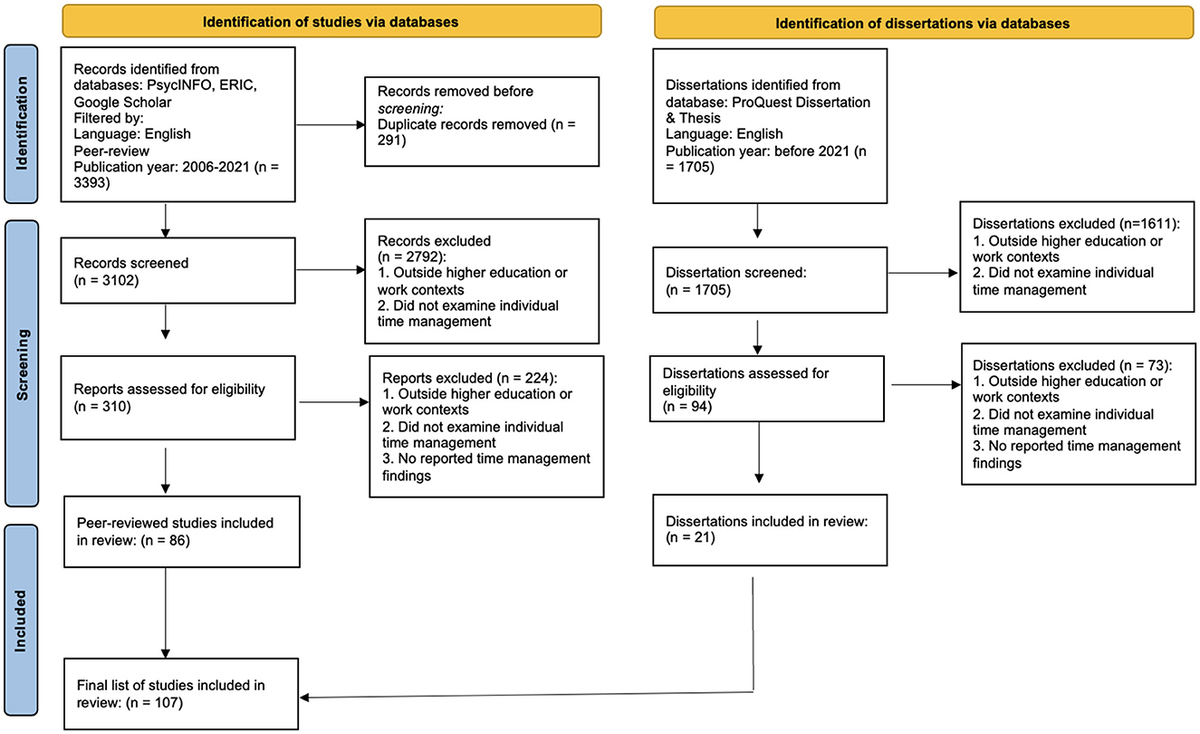
Recent research from Frontiers in Education (2025) confirms that time management skills can be improved through structured training, though long-term behavioral change requires consistent practice. Key evidence-based strategies include:
- Task prioritization: Breaking goals into actionable tasks and ranking them by urgency and importance
- Contextual scheduling: Recognizing that environmental and cultural factors shape how and when people work best
- Structured breaks: Studies show productive individuals work ~112 minutes before taking a 26-minute break for optimal recovery
The research notes that while interventions improve short-term outcomes, sustaining gains depends on habit formation and workplace culture.
Weekly Hack
The 112-Minute Work Block with Built-In Recovery
Instead of chasing endless 8-hour days, try the DeskTime-validated pattern: work deeply for 112 minutes (just under 2 hours), then take a deliberate 26-minute break. Use the break to step away from your screen, walk, or switch contexts entirely. This rhythm aligns with how productive workers actually operate, making it easier to sustain than arbitrary Pomodoro intervals. Track what you complete during these blocks to find your personal sweet spot.
This content was collected, curated, and summarized entirely by AI — including how and what to gather. It may contain inaccuracies. Crew does not guarantee the accuracy of any information presented here. Always verify facts on your own before acting on them. Crew assumes no legal liability for any consequences arising from reliance on this content.
Powered by
