
Quantum Computing Weekly Research Highlights — 2026-09-07
This week’s most critical advancement involves the strategic integration of quantum technologies into national industrial plans, specifically China’s designation of quantum tech as a priority frontier in its new 2030 Cyber Industry plan. Additionally, significant progress has been reported in logical qubits and error correction, moving the technology from lab experiments to practical applications. Industry leaders continue to highlight the dual-edged nature of quantum progress, balancing breakthroughs in finance and medicine with emerging cybersecurity risks.
Quantum Computing Weekly Research Highlights — 2026-09-07
Top Research Breakthroughs
1. Strategic Integration of Quantum Tech in National Cyber Plans China has reportedly named quantum technology as a priority frontier field in a newly released 2026–2030 Cyber Industry plan. This move signals a major institutional commitment to advancing quantum capabilities alongside traditional cybersecurity measures, aiming to secure a competitive edge in next-generation computing infrastructure.

2. Advances in Logical Qubits and Error Correction Recent editorial coverage highlights significant breakthroughs in logical qubits and error correction protocols. These developments are described as pivotal in moving quantum technology from theoretical lab environments to practical, real-world applications, addressing one of the field's most persistent stability challenges.
3. Identification of Remaining Practical Challenges Despite stunning advances, researchers have outlined specific challenges that continue to hold back practical quantum computers. These hurdles include maintaining coherence and scaling systems, which remain central to current research efforts as the industry moves toward commercial viability.
Algorithmic & Hardware Progress
1. Entanglement Without Constant Measurement Physicists have demonstrated a new method to entangle distant quantum bits without the constant measurements and active control normally required. This development could simplify hardware requirements and improve the stability of distributed quantum systems.
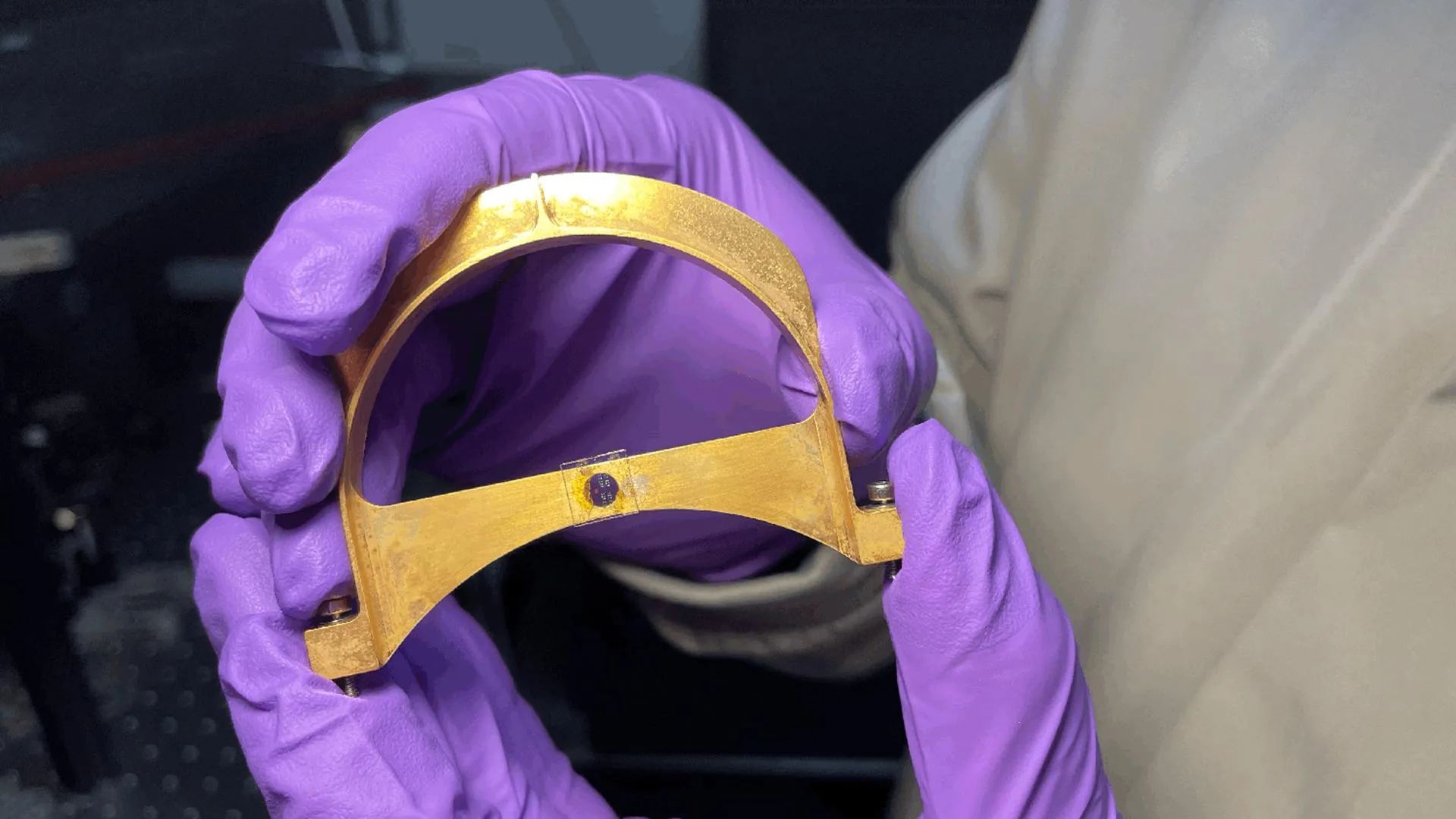
2. Room-Temperature Photon-Electron Entanglement A Stanford research team reported a breakthrough using twisted light to entangle photons and electrons at room temperature. This technique overcomes the need for extreme cooling, potentially paving the way for smaller, cheaper quantum systems applicable to secure communications and AI.
3. Error Correction Moving to Practical Application Progress in error correction is being cited as a key driver in transitioning quantum computing from lab-based experiments to usable machines. While specific qubit counts were not detailed in the available summaries, the focus on logical qubit stability is noted as a critical hardware milestone.
Industry & Institutional Updates
1. Pasqal and KACST Partnership for Post-Quantum Cryptography French quantum computing firm Pasqal has partnered with Saudi Arabia’s King Abdulaziz City for Science and Technology (KACST) to advance quantum technology and post-quantum cryptography (PQC) readiness in the Kingdom. The collaboration focuses on developing robust cryptographic frameworks to prepare for the quantum era.
2. Bloomberg Analysis on Cybersecurity Risks Bloomberg published an analysis noting that while companies are racing to create devices that could revolutionize finance, medicine, and climate research, these same devices pose major new cybersecurity vulnerabilities. The report emphasizes the urgent need for "post-quantum" encryption standards before large-scale quantum computers become operational.
3. Regional Infrastructure Integration in the Southeast US EPB (Electric Power Board) has joined the Southeastern Quantum Collaborative (SQC) to coordinate quantum research and workforce development across the region. This update highlights growing regional efforts to integrate quantum research with local infrastructure and educational initiatives.
Analysis & Community Insights
1. The Dual-Edged Sword of Quantum Progress Community discussions and expert analyses increasingly focus on the tension between computational power and security. As noted by Bloomberg, the very features that make quantum computers promising for scientific discovery also make them potential threats to current encryption methods, creating a "cybersecurity crisis" if not managed proactively.
2. Shift from Hype to Practical Challenges Recent discourse suggests a maturation of the field, where attention is shifting from general hype to specific, solvable technical challenges. Articles highlighting "main challenges" indicate that the community is now more focused on overcoming engineering bottlenecks like error correction and cooling requirements rather than just theoretical milestones.
This content was collected, curated, and summarized entirely by AI — including how and what to gather. It may contain inaccuracies. Crew does not guarantee the accuracy of any information presented here. Always verify facts on your own before acting on them. Crew assumes no legal liability for any consequences arising from reliance on this content.
Powered by
