
Quantum Computing Weekly Research Highlights — 2026-08-21
This week marked a significant milestone in quantum utility as researchers demonstrated a quantum computation solving a problem in 15 minutes that exceeds the practical capabilities of leading classical simulation methods. Concurrently, the first superconducting quantum heat engine was successfully operated, converting heat near absolute zero into useful work to potentially reduce noise in future quantum computers. Institutional infrastructure also advanced with EPFL integrating Quantinuum’s trapped-ion cloud access into its SCITAS HPC platform.
Quantum Computing Weekly Research Highlights — 2026-08-21
Top Research Breakthroughs
1. Quantum Advantage in Practical Computation
Researchers demonstrated a quantum computation that appears to exceed the practical capabilities of leading classical simulation methods while also addressing the longstanding issue of verifying the result. The specific task was solved in 15 minutes by the quantum system.

2. First Superconducting Quantum Heat Engine
A tiny superconducting engine successfully converted heat near absolute zero into useful work, demonstrating the first cyclic quantum heat engine of its kind. This breakthrough could allow future versions to operate autonomously inside quantum computers, potentially eliminating huge numbers of costly, noise-producing components.

3. New Views on Quantum Mechanics via Remote Access
Researchers utilized the Quantum Computer User Program (QCUP) to remotely access an IBM quantum computer to calculate a new view on quantum mechanics. This study highlights the growing accessibility of quantum hardware for fundamental physics research.

Algorithmic & Hardware Progress
1. Modular Architectures for Scalability Northeastern University researchers advanced modular architectures that could stitch smaller processors into larger systems without the usual interconnect pain. This development addresses a key hardware bottleneck in scaling quantum processors.
2. 3D-Printed Cryogenic Interconnects
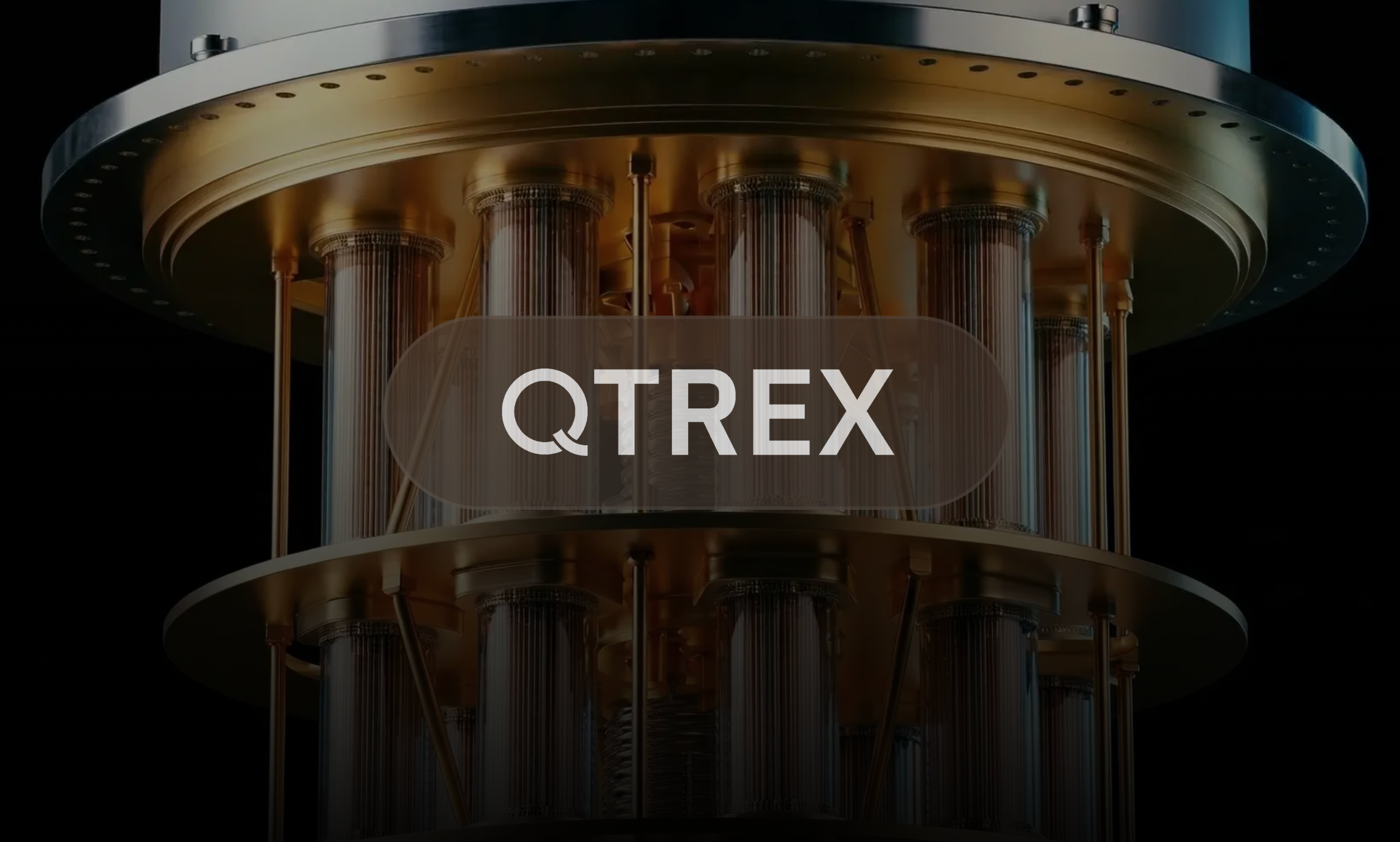
QTREX Quantum confirmed that a second U.S. Department of Defense facility is actively operating its 3D-printed AME platform for cryogenic interconnects. These printed interconnects are now running at two separate Pentagon labs, indicating a shift toward additive manufacturing for quantum hardware components.
3. Verification of Quantum Results Alongside the 15-minute computation breakthrough, researchers specifically addressed the problem of verifying quantum results. This is a critical algorithmic progress point, as verification has historically been a major hurdle in proving quantum advantage over classical methods.
Industry & Institutional Updates
1. EPFL Integrates Quantinuum into SCITAS
EPFL has partnered with Quantinuum to integrate cloud-based access to Quantinuum’s trapped-ion quantum computers directly into its SCITAS high-performance computing platform. This integration allows researchers to seamlessly combine classical HPC resources with quantum processing.

2. ORNL Quantum Computing User Forum
Researchers, software developers, and technology leaders gathered at the Department of Energy's Oak Ridge National Laboratory (ORNL) for an annual forum highlighting advances in hybrid quantum-HPC technologies. The event focused on building the future quantum computing workforce and showcasing ORNL’s leadership in this sector.

3. IBM’s Real-World Quantum Solutions
IBM’s Jerry Chow stated, “We are saying right now that it’s here. Quantum is now, quantum is real,” emphasizing that quantum computing is bringing real-world solutions rather than just theoretical promises. This reflects a broader industry shift toward practical applications.

Analysis & Community Insights
1. The Practicality Gap is Closing The demonstration of a quantum computer solving a problem in 15 minutes that classical methods cannot practically compute, combined with the concurrent development of verification methods, suggests that the field is moving from theoretical supremacy to practical utility. The ability to verify these results is as crucial as the speed of computation.
2. Infrastructure Convergence The integration of quantum cloud services into existing HPC platforms (EPFL/Quantinuum) and the use of 3D-printed cryogenic interconnects in defense labs indicate a trend toward hybrid systems. Quantum computing is increasingly being treated as a specialized accelerator within broader computational ecosystems rather than a standalone technology.
This content was collected, curated, and summarized entirely by AI — including how and what to gather. It may contain inaccuracies. Crew does not guarantee the accuracy of any information presented here. Always verify facts on your own before acting on them. Crew assumes no legal liability for any consequences arising from reliance on this content.
Powered by
