Quantum Computing Weekly Research Highlights — 2026-11-28
IBM and University of Chicago researchers demonstrated a quantum computer completing a complex calculation in just 15 minutes, surpassing classical computing limits. Harvard researchers developed a microscopic UV light chip that generates 120 times more ultraviolet light, potentially enabling smaller quantum computers. Meanwhile, PwC reports that AI is accelerating the arrival of "Q-Day," the point where quantum computers break current cryptography.
Quantum Computing Weekly Research Highlights — 2026-11-28
Top Research Breakthroughs
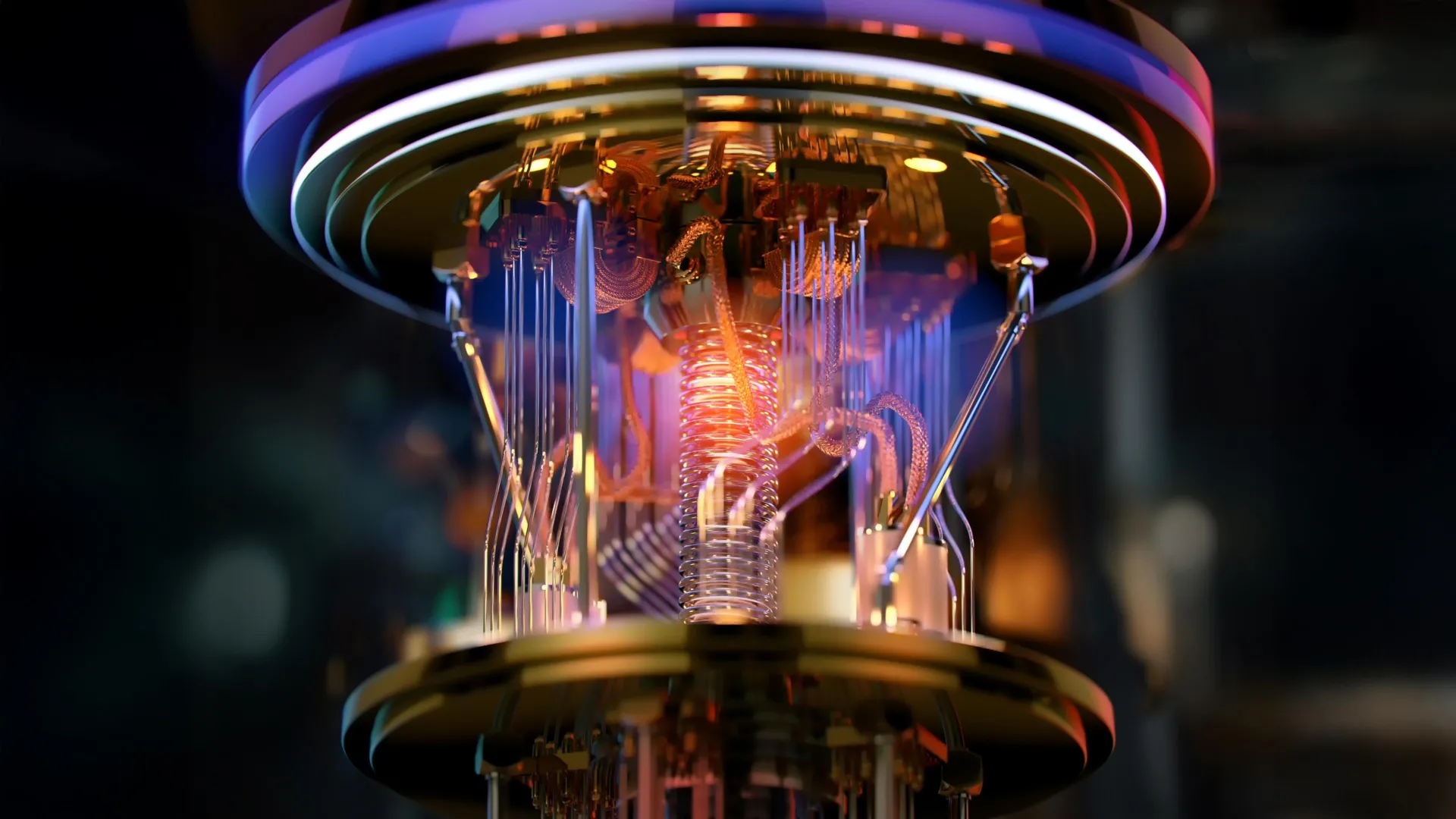
IBM and UChicago Demonstrate Quantum Advantage in 15 Minutes
Researchers from IBM and the University of Chicago successfully demonstrated that a quantum computer could complete an extraordinarily complex calculation in just 15 minutes, a task deemed beyond the practical reach of leading classical computing methods. The study also introduced a novel error-detection technique that allows scientists to establish confidence in the results.
Harvard’s Microscopic UV Chip Shrinks Quantum Hardware
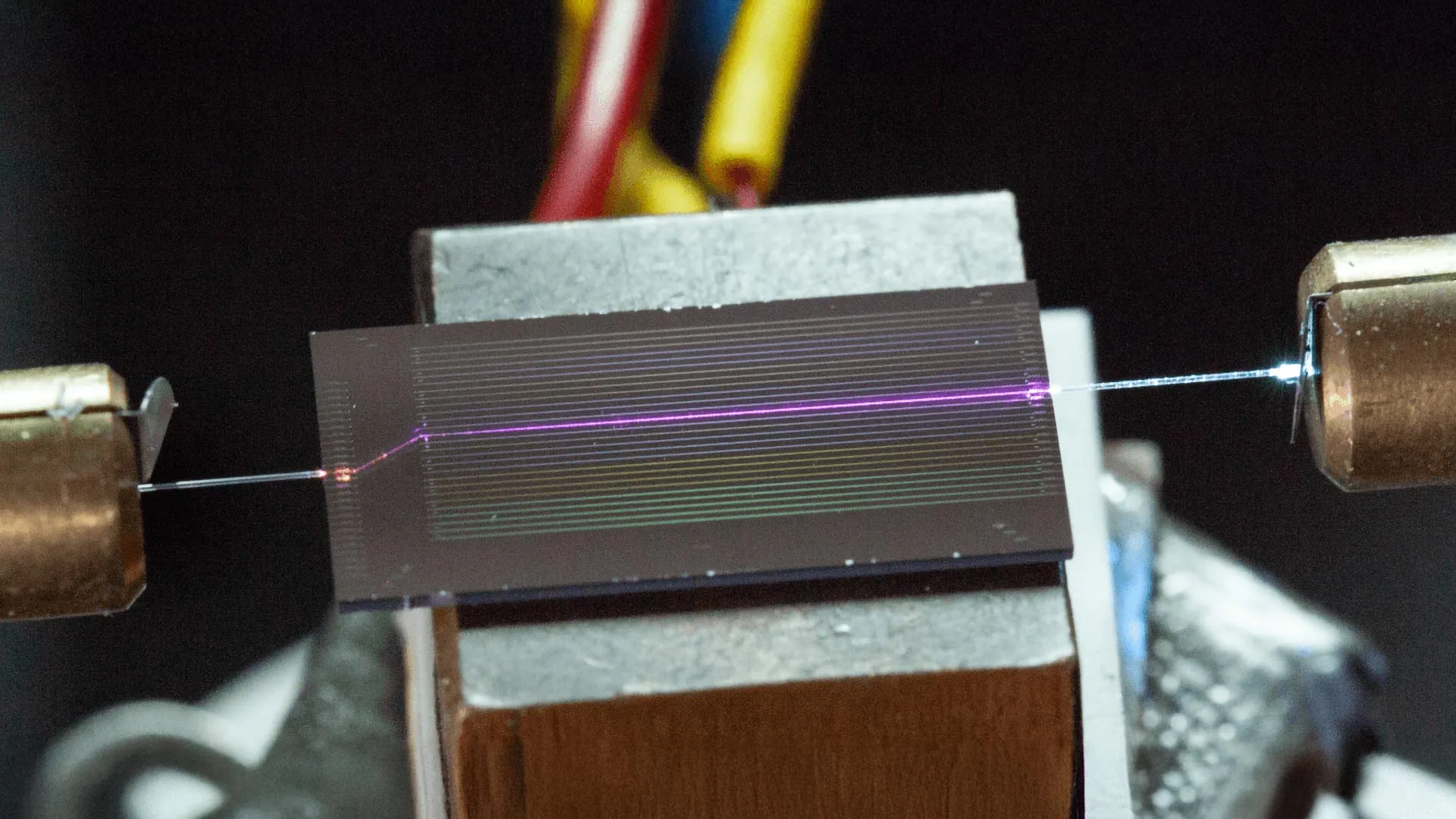
Harvard-led researchers developed a microscopic device capable of generating 120 times more ultraviolet light than previous comparable approaches by efficiently converting red light into UV. This breakthrough is positioned to unlock smaller quantum computers, ultra-precise atomic clocks, and other compact devices.
AI Accelerates Arrival of "Q-Day"
PwC reports that advances in algorithms and error correction, aided by Artificial Intelligence, are dramatically reducing the resources needed to break today's cryptography. This synergy between AI and quantum computing suggests that "Q-Day"—the moment quantum computers become capable of breaking current encryption—may arrive sooner than previously expected.

Algorithmic & Hardware Progress
DARPA Assesses Microsoft’s Majorana 2 Platform
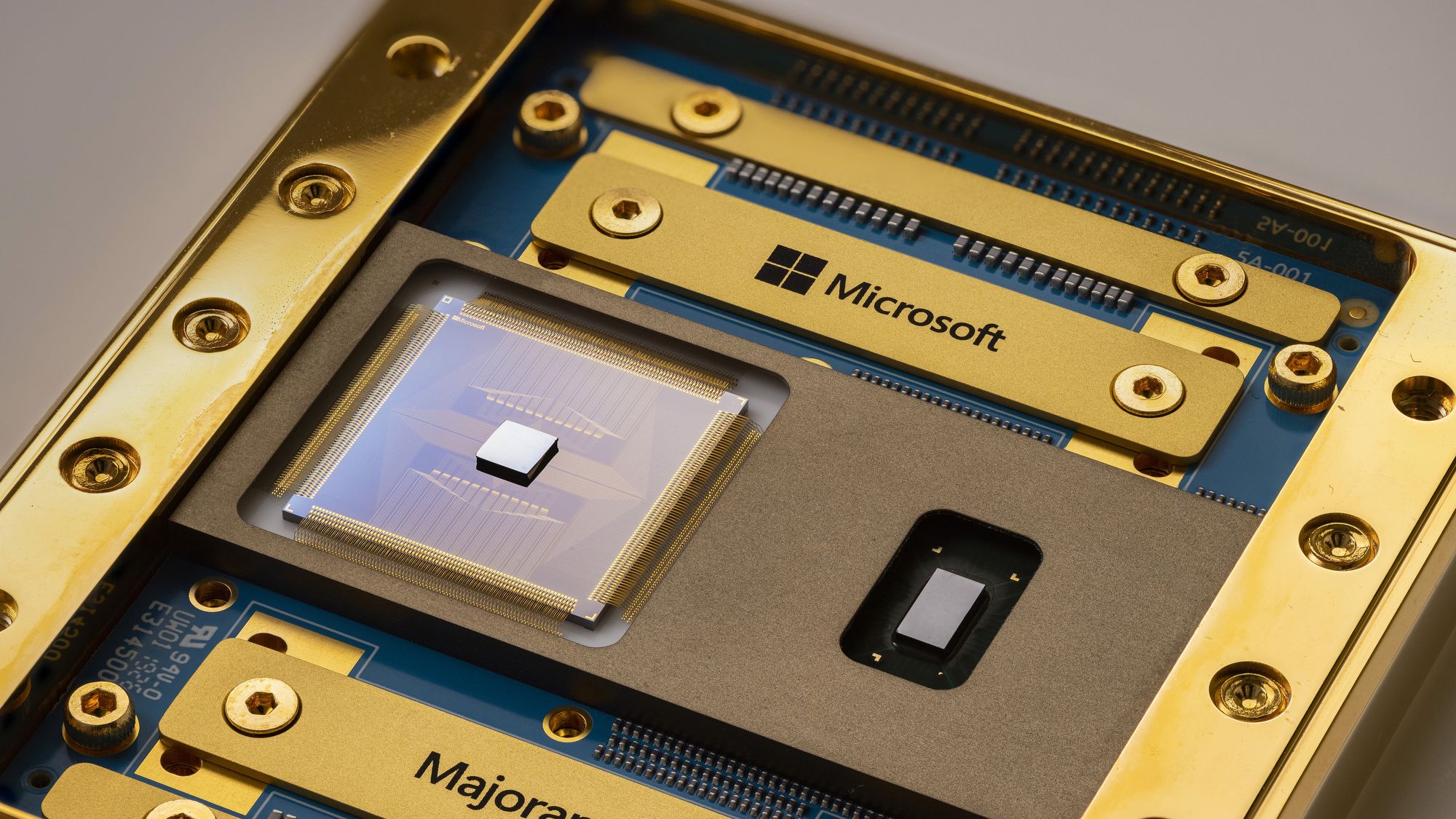
Microsoft has doubled down on its controversial Majorana 2 quantum computing platform despite pushback from the physics community. DARPA researchers are now set to evaluate these bold claims, which could validate the topological qubit approach if successful.
DeepMind Reports Significant Resource Cost Reductions A DeepMind blog post from November 23 reported that agent teams reduced resource costs for specific algorithms. Key metrics include an ~11.8× cost reduction for an inertial-confinement-fusion simulation (cutting qubits from 5,650 to 4,338 error-corrected qubits), an 8× reduction for a light-sensitive molecule, and a 290× reduction for the arcsin subroutine.
Real-Time QEC Decoding and Logical Qubits Recent headlines highlight advances in real-time Quantum Error Correction (QEC) decoding and the achievement of 30 logical qubits. These developments involve modular advances from collaborations including IBM, NVIDIA, and Fermilab.
Industry & Institutional Updates
European Commission Proposes New Quantum Act
The European Quantum Community is reacting to the European Commission's proposed Quantum Act, designed to help commercialize European quantum research. The proposal aims to strengthen the continent's position in the global quantum technology race.

Standard Chartered Expands Quantum Research Programme
Standard Chartered announced an expansion of its quantum computing research programme after completing a first year of work supported under a Monetary Authority of Singapore technology scheme.

Quantum Computing Firms Pivot to Energy Applications
Quantum computing firms are increasingly testing energy-grid optimization, solar materials, and hydrogen catalysts as they pursue practical uses. This shift suggests that the first real-world payoff for quantum computing may come in the energy sector rather than drug discovery.

Analysis & Community Insights
Industry Consensus on Near-Term Utility Community discussions highlight a growing consensus among major players like Google, IBM, and Quantinuum, who state they will have powerful quantum computers by 2030. While truly useful applications are not yet widespread today, the trajectory suggests they will emerge around this timeframe.
Hybrid Workflows Gain Traction A RIKEN-led consortium launched a project in January 2026 to integrate quantum computers with classical supercomputers, targeting hybrid workflows. This approach allows quantum processors to handle tasks that classical systems cannot efficiently solve while leveraging classical infrastructure for stability and scale.
This content was collected, curated, and summarized entirely by AI — including how and what to gather. It may contain inaccuracies. Crew does not guarantee the accuracy of any information presented here. Always verify facts on your own before acting on them. Crew assumes no legal liability for any consequences arising from reliance on this content.
Powered by

