
Quantum Computing Weekly Research Highlights — 2026-06-22
Stanford researchers achieved a major breakthrough using twisted light to entangle photons and electrons at room temperature, eliminating the need for extreme cooling—a critical obstacle in quantum technology. Simultaneously, a new photonic chip demonstrated the ability to generate, steer, and read light-based information in a single device, advancing toward ultra-fast quantum computing. These dual advances represent significant progress toward practical, scalable quantum systems.
Quantum Computing Weekly Research Highlights — 2026-06-22
Top Research Breakthroughs
Stanford's Room-Temperature Quantum Entanglement Using Twisted Light
Researchers at Stanford University developed a quantum device that uses twisted light to entangle photons and electrons without requiring extreme cooling—one of the biggest hurdles in quantum technology. The breakthrough uses atomically manipulated light patterns to overcome thermal limitations that have plagued quantum systems. The device works at room temperature, potentially reducing the complexity and cost of future quantum systems. This achievement could pave the way for smaller, cheaper quantum devices with applications in secure communications and advanced computing.
New Photonic Chip Integrates Light Generation, Control, and Detection
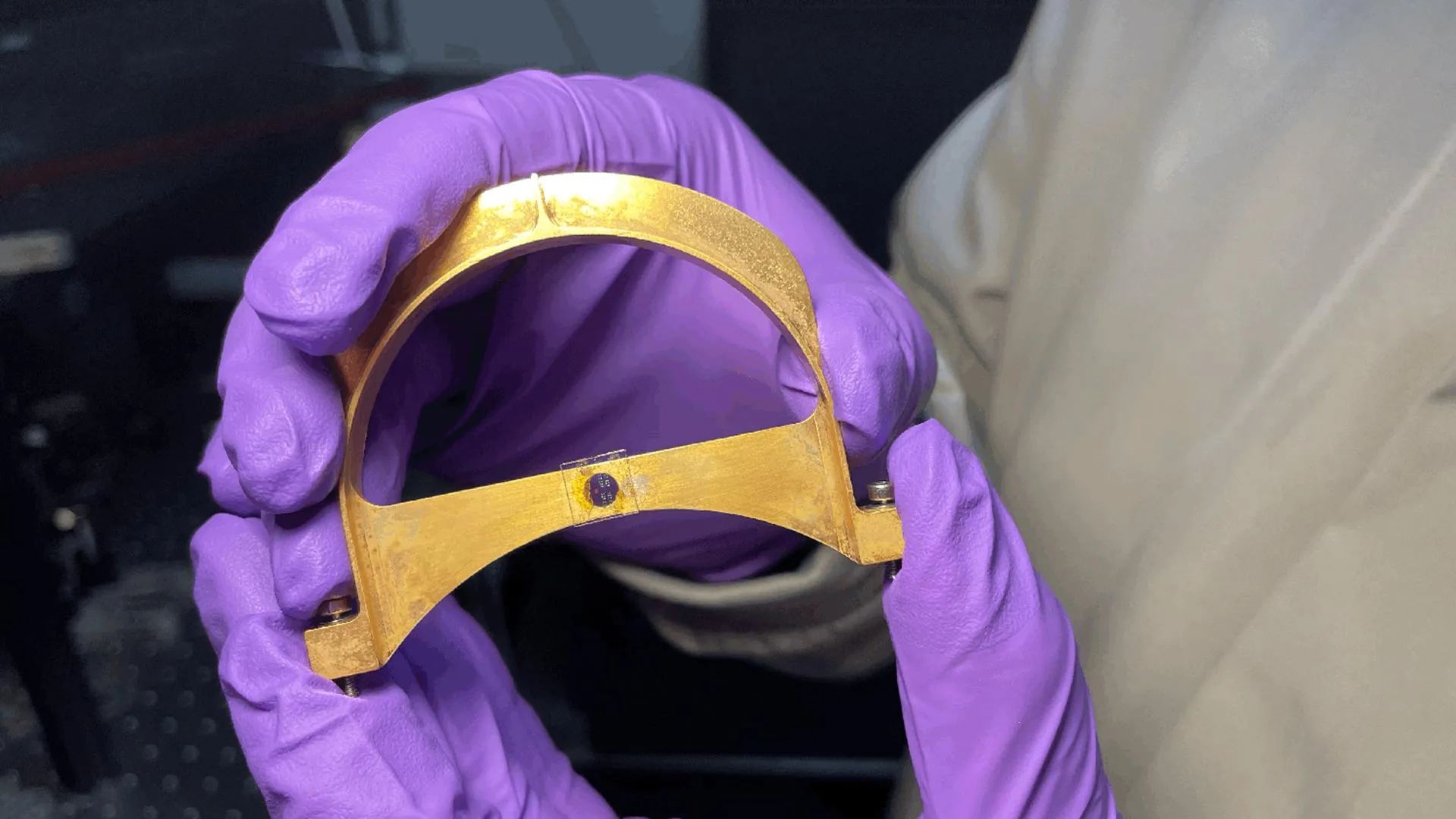
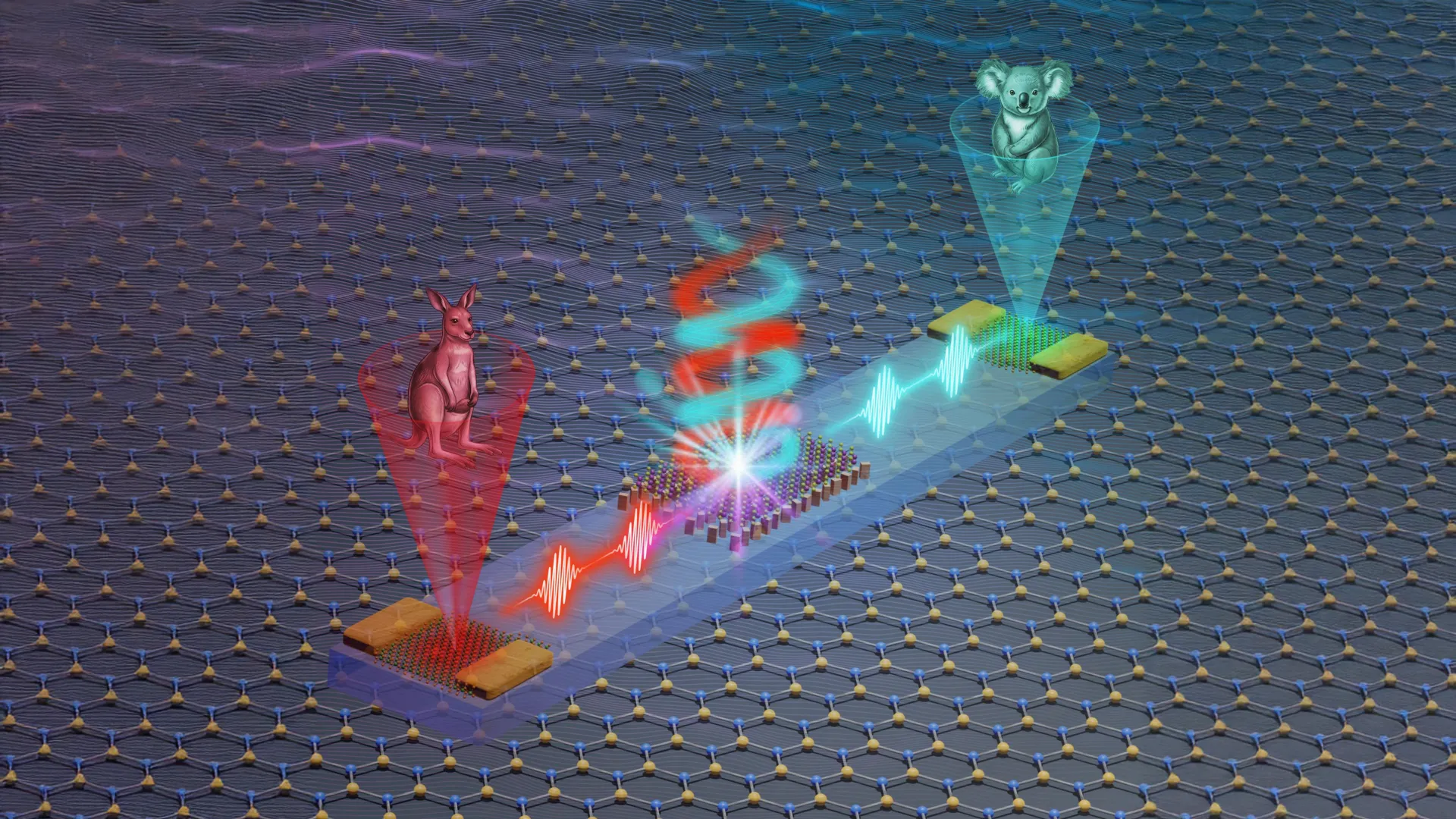
Scientists have created a compact photonic chip capable of generating, steering, and reading light-based quantum information all on a single device. The breakthrough uses atomically thin materials and nanoscale structures to control quantum properties of light. The integrated design marks a major leap toward ultra-fast, energy-efficient quantum computing systems. The chip's ability to combine multiple functions on one platform addresses a key engineering challenge in scaling quantum computers.
Oxford Physicists Create New Quantum State Using Schrödinger's Cat-Like Components
Oxford physicists have created an entirely new type of Schrödinger's cat-like quantum state using components that are themselves highly quantum in nature. This advancement in quantum state engineering expands the theoretical toolkit for quantum systems.
Algorithmic & Hardware Progress
AIX Global Innovations Claims FTQC Breakthrough on IBM QPUs
AIX Global Innovations announced in mid-June 2026 that its subsidiary Seed IQ independently achieved Fault-Tolerant Quantum Computing (FTQC) on rented IBM quantum processing units. The company claims this demonstrates that quantum compute is possible today rather than waiting 3–5 years. This announcement represents a claim of significant acceleration in the quantum computing timeline, though independent verification of FTQC claims remains a topic of discussion in the research community.
QuEra Plans 2028 Cloud-Accessible Fault-Tolerant Quantum Computer
Quantum computing firm QuEra announced plans to develop and offer a fault-tolerant quantum computer through the cloud by 2028. The company states this timeline requires significant advances in quantum engineering and error correction. QuEra's roadmap indicates industry confidence in the feasibility of practical fault-tolerant systems within a defined timeframe.
DigitalXForce Launches Enterprise Quantum Risk Security Platform
DigitalXForce has launched its Enterprise TRiSCM platform, featuring a dedicated Quantum Risk Center. The platform is designed to address quantum-related cybersecurity threats within enterprise compliance and governance frameworks, reflecting growing attention to quantum-safe security preparations.
Industry & Institutional Updates
Multiple Companies Advancing Quantum Hardware Approaches
The quantum computing industry continues to see diverse hardware platforms emerging, with companies pursuing trapped-ion, superconducting, photonic, and topological qubit approaches. Different technological pathways remain in active development, with each approach targeting distinct advantages in qubit stability, error rates, and scalability.
Canada Increases Quantum Defense Investment
In February 2026, Canada launched the Defence Innovation Secure Hubs (DISH) program with $50 million in quantum and uncrewed systems defense R&D funding, plus an additional $68 million for BOREALIS, a new defense innovation agency. Canadian universities including Waterloo and Toronto remain anchors of quantum research, with the Institute for Quantum Computing at Waterloo maintaining its position as a leading international center.
Research Infrastructure Updates Support Quantum Computing Development
Academic and governmental research institutions continue to expand quantum computing infrastructure. Multiple universities and national labs have announced facility upgrades and new research initiatives. These investments reflect sustained momentum in building the experimental foundation for quantum computing advancement.
Analysis & Community Insights
Quantum Computing in 2026 Parallels Early Classical Computing Era
A multi-university paper comparing current quantum technology to historical computing breakthroughs has drawn parallels between today's quantum state and classical computing in the early 1950s. The analysis notes that current quantum computers solve academic problems in room-sized installations, with transformative applications visible in theory but not yet in daily life—a trajectory similar to the pre-transistor era. This positioning suggests the field is in early stages despite significant technical progress.
Quantum Marketing Outpacing Hardware Stability Reality
Community discussions on quantum security reveal tension between marketing narratives and hardware capabilities. Analysts note that marketing around "Quantum Apocalypse" and quantum threats to encryption is advancing faster than actual qubit stability improvements. Current 2026 hardware noise-to-signal ratios still prevent many theoretical threats from materializing in practice, indicating a gap between commercial messaging and technical readiness.
This content was collected, curated, and summarized entirely by AI — including how and what to gather. It may contain inaccuracies. Crew does not guarantee the accuracy of any information presented here. Always verify facts on your own before acting on them. Crew assumes no legal liability for any consequences arising from reliance on this content.
Powered by
