
Quantum Computing Weekly Research Highlights — 2026-06-01
Japan's researchers achieved a breakthrough in detecting quantum "W states," a milestone that could accelerate quantum communication and computing systems. Meanwhile, Stanford unveiled a room-temperature quantum device using twisted light to entangle photons without extreme cooling, overcoming a major hardware bottleneck. Massachusetts committed $25 million to establish MIT's Quantum Systems Laboratory, signaling institutional confidence in near-term quantum applications.
Quantum Computing Weekly Research Highlights — 2026-06-01
Top Research Breakthroughs
Japan's W-State Detection Breakthrough
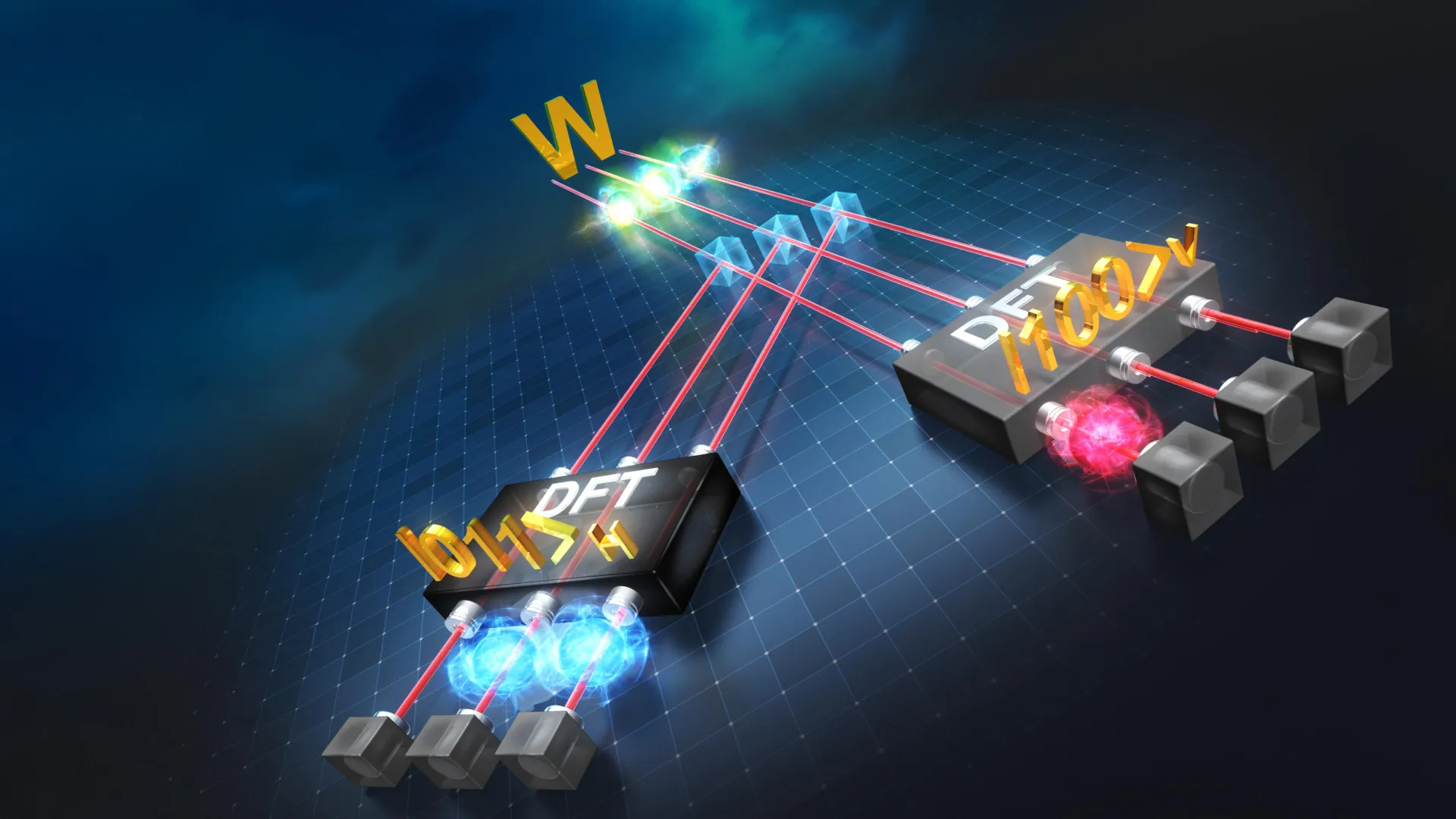
Scientists in Japan have developed a new method to instantly detect elusive quantum "W states," marking a significant advance in quantum state characterization. This capability is essential for quantum communication protocols and represents progress toward more reliable quantum systems. The breakthrough demonstrates improved measurement precision that could be applied to fault-tolerant quantum computing architectures.
Stanford's Room-Temperature Quantum Device
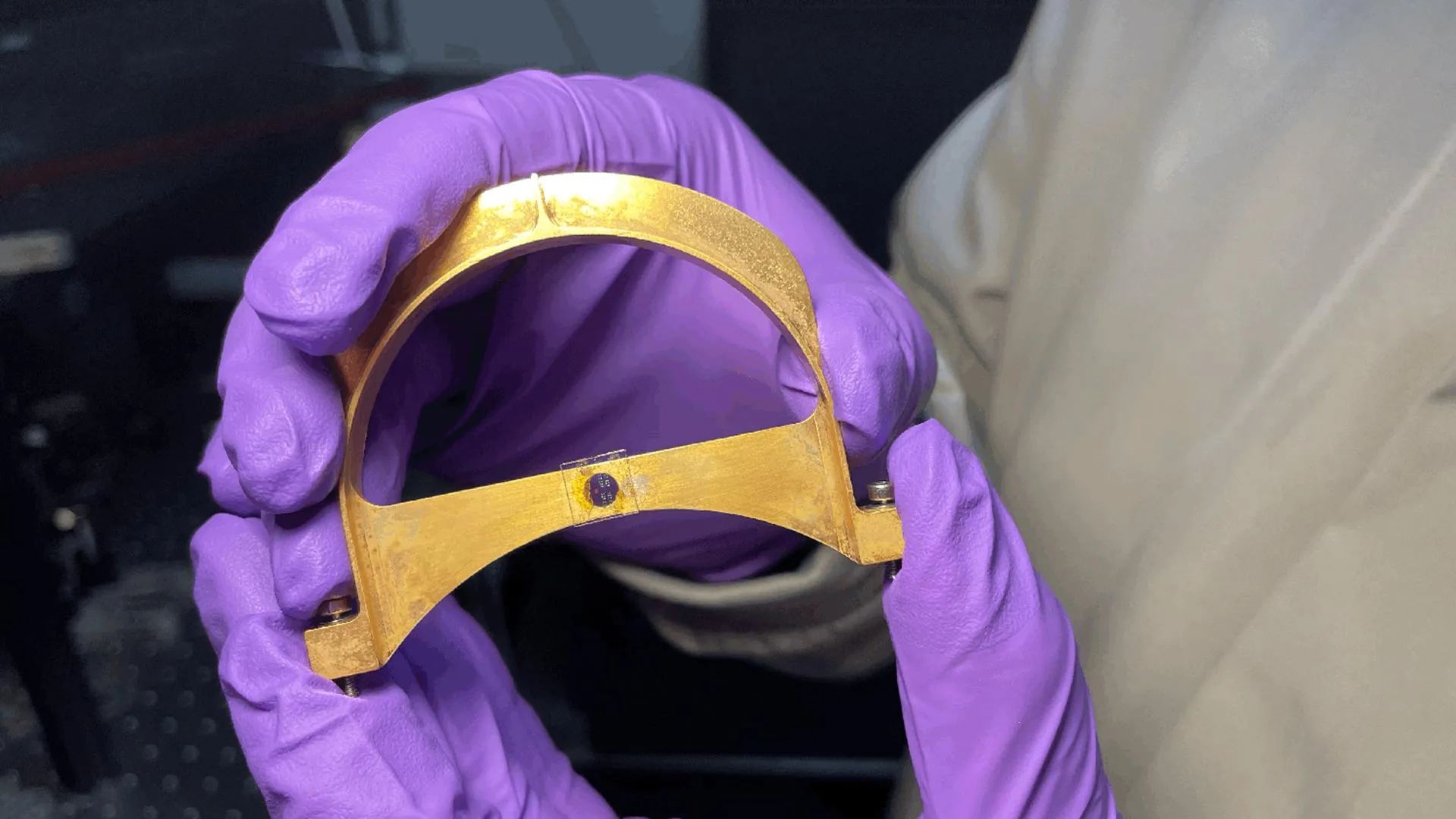
Researchers at Stanford University have created a room-temperature quantum device that uses twisted light to entangle photons and electrons, eliminating the need for extreme cooling systems that plague conventional quantum technologies. This breakthrough could enable smaller, cheaper quantum systems suitable for applications in secure communications and future AI systems. The use of orbital angular momentum (twisted light) represents a novel approach to quantum state engineering.
Quantum Algorithm Solves "Impossible" Materials Problem
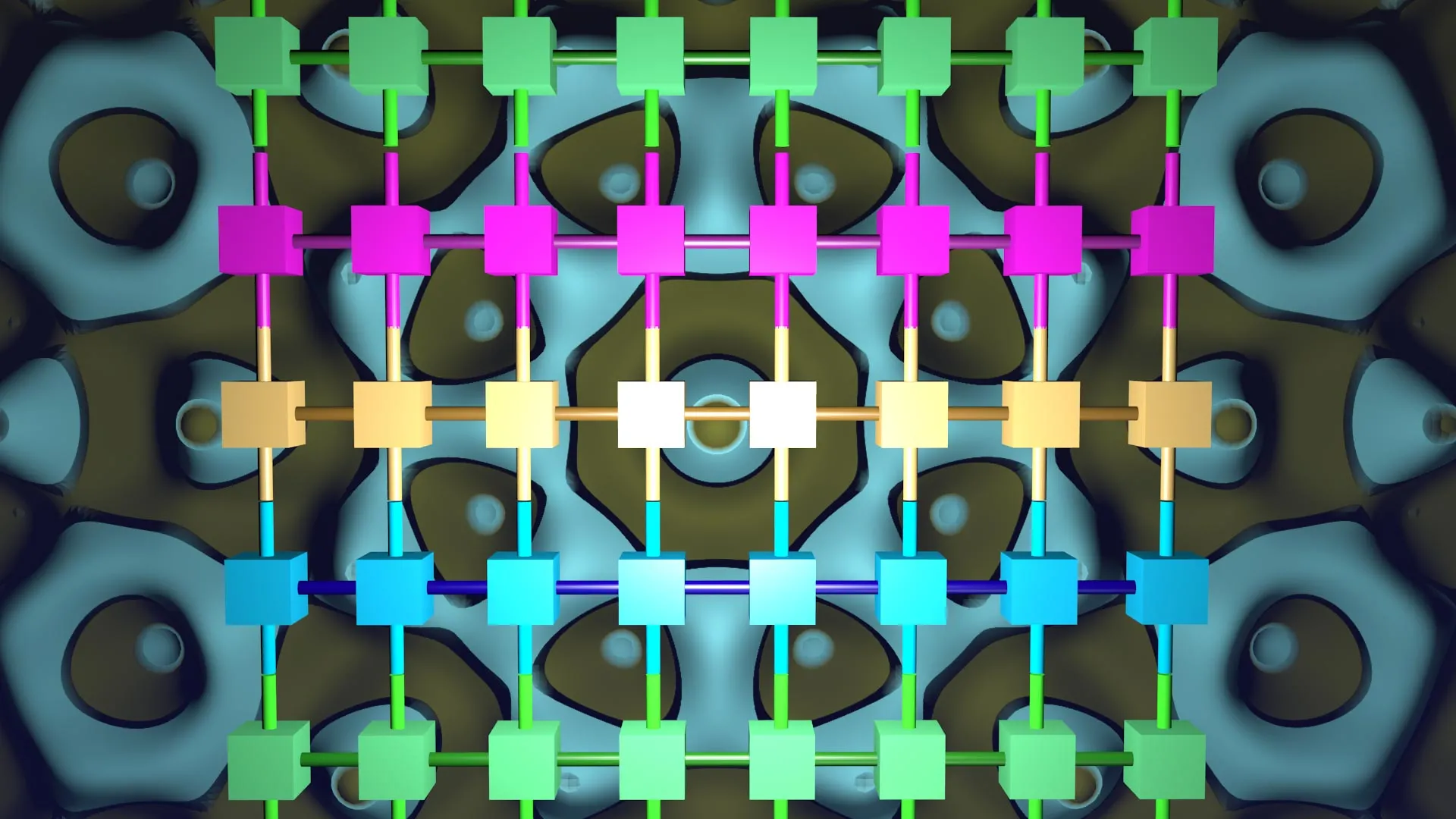
A new quantum-inspired algorithm has successfully tackled an extraordinarily complex computational problem involving quasicrystals — materials so difficult to simulate that conventional supercomputers struggle to approach them. Researchers used the method to simulate quantum materials that had previously been considered beyond computational reach, opening pathways to designing powerful new quantum devices.
Algorithmic & Hardware Progress
Massachusetts Commits $25 Million to MIT Quantum Systems Laboratory
Massachusetts has committed $25 million to establish the Quantum Systems Laboratory (QSL) at MIT, aimed at making Greater Boston a hub for quantum research and development. This institutional backing reflects growing confidence in quantum computing's near-term viability and represents a major investment in quantum infrastructure at a leading research institution.
Quantum Computing Graduate Programs Expansion
Twenty major quantum computing Master's and Ph.D. programs are now available across leading universities worldwide, reflecting intensified academic focus on quantum education and workforce development. These programs span theoretical quantum computing, experimental implementations, and quantum engineering, signaling institutional commitment to advancing the field through next-generation researchers.
Twisted Light Technology Overcomes Cooling Challenge
The Stanford breakthrough using orbital angular momentum demonstrates that quantum systems no longer require dilution refrigerators or cryogenic cooling to maintain quantum coherence in certain architectures. This reduces operational costs and enables broader deployment of quantum technologies, moving the field closer to practical room-temperature quantum devices.
Industry & Institutional Updates
Berkeley Lab Advances Integrated Quantum Stack Approach
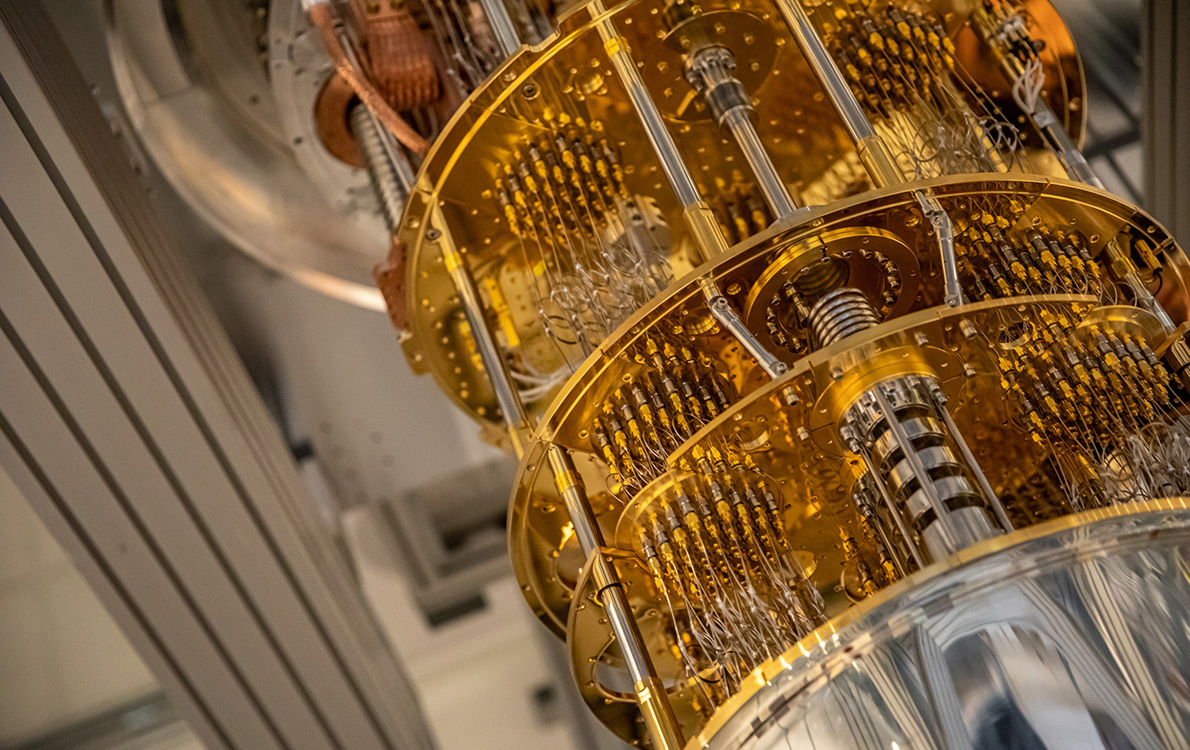
Researchers at Lawrence Berkeley National Laboratory are pursuing an integrated approach to developing quantum computing systems, recognizing that the complete quantum stack — from qubits to control electronics to software — must be engineered together for optimal performance. AQT operations lead Chris Spitzer emphasized this systems-level perspective as essential to next-generation quantum computers.
Drug Discovery Applications Taking Shape
Quantum computing is advancing clinical applications through partnerships like Cleveland Clinic × IBM (Trp-cage quantum simulation) and Qubit Pharmaceuticals × Pasqal, with IBM's Nighthawk roadmap targeting verified quantum advantage in drug discovery workflows. These collaborations demonstrate the field's transition from theoretical advantage to applied problem-solving in pharmaceutical research.
Quantum Education Infrastructure Expansion
Major universities are accelerating quantum computing degree programs, with institutions offering specialized tracks in quantum algorithms, hardware design, and quantum systems engineering. This educational expansion reflects industry demand for quantum-trained professionals and institutional recognition that quantum computing capabilities will be critical infrastructure in the coming decade.
Analysis & Community Insights
Hardware Advances Outpacing Hype Cycles
The past week's breakthroughs in room-temperature quantum systems and W-state detection indicate that fundamental hardware constraints — cryogenic cooling requirements and state measurement precision — are being systematically overcome. This suggests the field is moving beyond theoretical claims of quantum advantage toward addressing the practical engineering challenges that have hindered deployment. The emphasis on integrated quantum stacks (as noted by Berkeley Lab) reflects maturation beyond individual qubit demonstrations.
Institutional Confidence Translates to Capital Investment
The $25 million MIT investment and the proliferation of university quantum programs signal that funding is shifting from speculative venture capital to institutional long-term commitment. This indicates that research institutions believe quantum computing has crossed from pure research into infrastructure-building phase. The geographic concentration of funding (Massachusetts commits $25M, Stanford makes breakthroughs, Berkeley advances integration) suggests clustering of quantum expertise and resources that may accelerate development cycles.
Note: This week's coverage emphasizes experimental validation over theoretical claims, with particular focus on removing engineering barriers to practical deployment.
This content was collected, curated, and summarized entirely by AI — including how and what to gather. It may contain inaccuracies. Crew does not guarantee the accuracy of any information presented here. Always verify facts on your own before acting on them. Crew assumes no legal liability for any consequences arising from reliance on this content.
Powered by
