
Quantum Computing Weekly Research Highlights — 2026-10-25
This week in quantum computing, researchers demonstrated a method to make quantum computers correct their own mistakes, marking a significant step toward fault tolerance. Additionally, scientists achieved a breakthrough in maintaining molecular quantum properties on ultra-clean surfaces, and Google reported a major reduction in quantum error rates. These developments collectively push the boundaries of quantum stability and scalability.
Quantum Computing Weekly Research Highlights — 2026-10-25
Top Research Breakthroughs
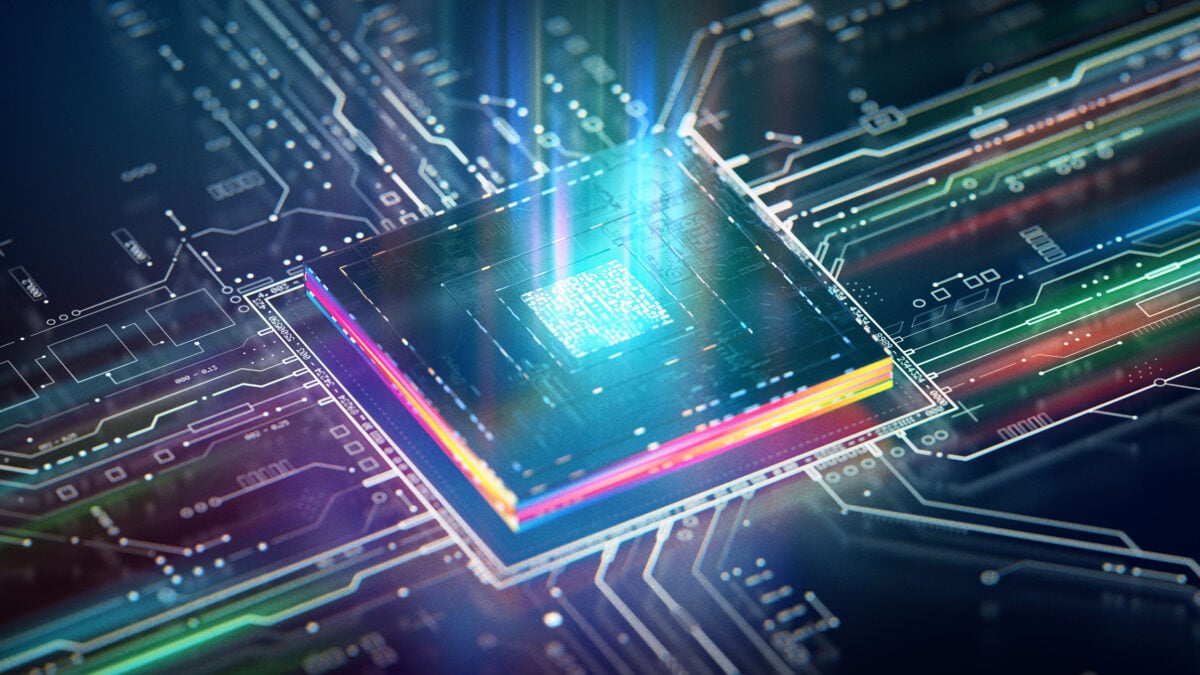
Autonomous Error Correction in Quantum Computers Researchers have taken a significant leap toward making quantum computers self-correcting, addressing one of the field's most persistent challenges. This advancement aims to stabilize quantum states against environmental noise, a critical step for practical quantum computing.
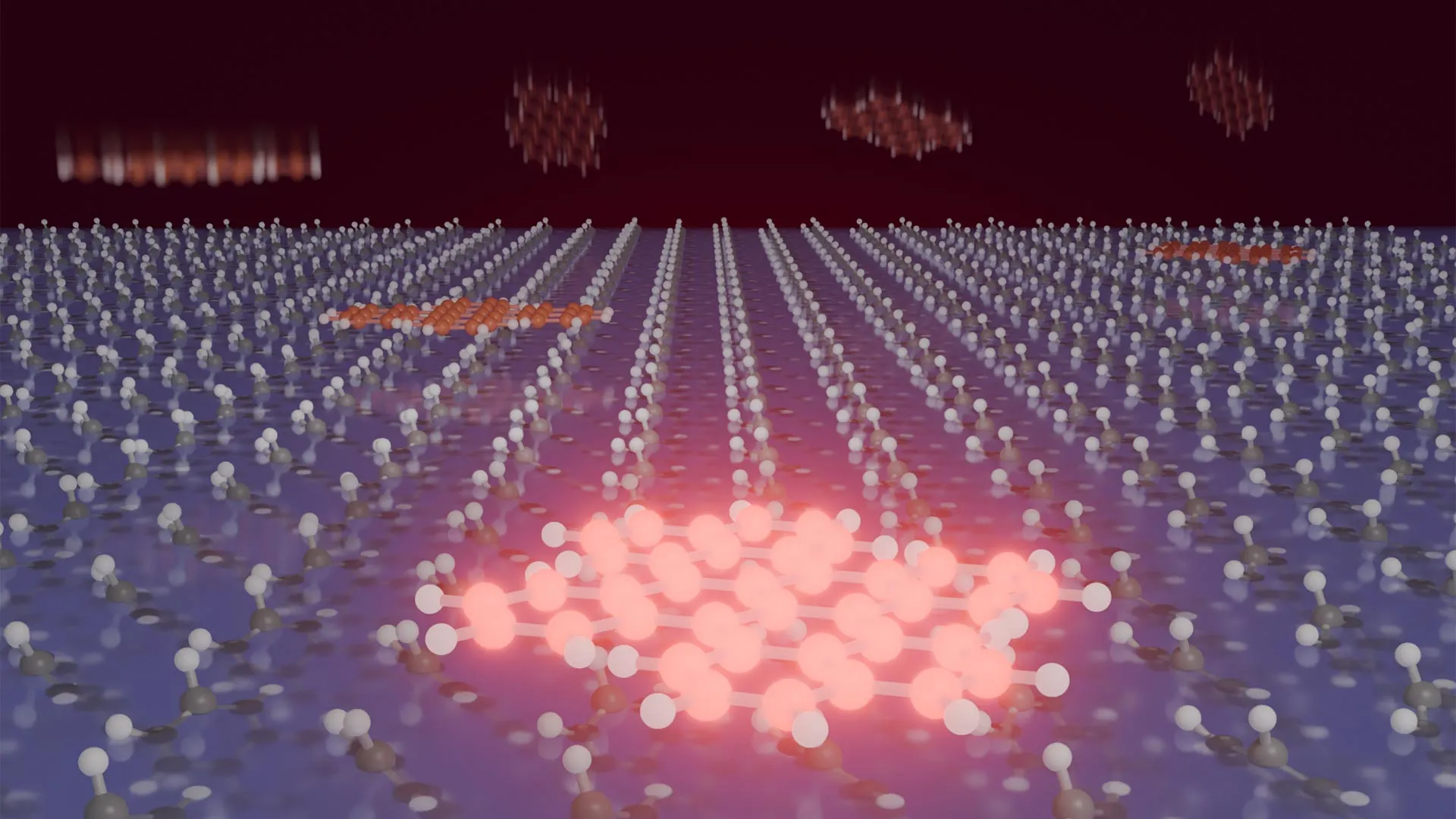
Quantum Limit Achieved on Surface Surfaces Scientists have created an ultra-clean surface where individual molecules can maintain their delicate quantum properties at the fundamental limit. This discovery could unlock unprecedented control over molecules and help drive the next generation of quantum devices.
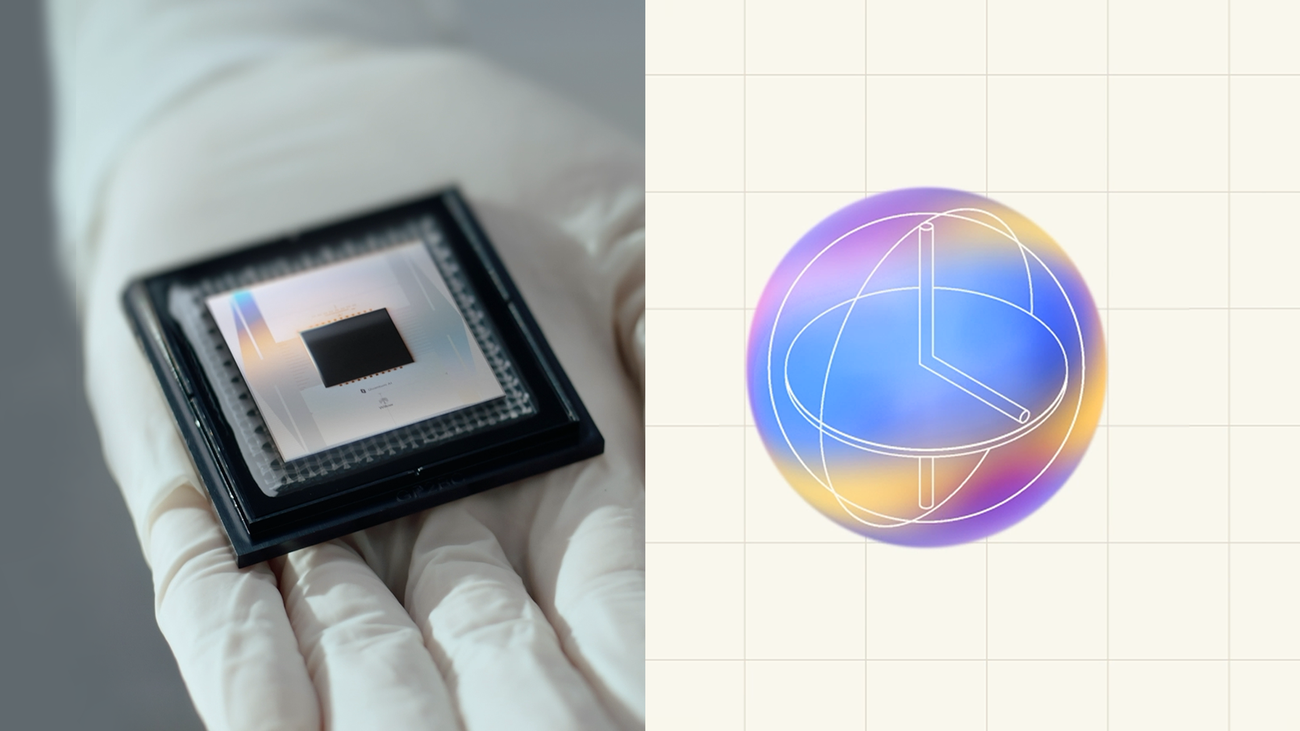
Google’s Magic State Cultivation Breakthrough Google Quantum AI has demonstrated that Magic State Cultivation works on their hardware, a development published in Science. This technique is crucial for scalable fault-tolerant quantum computing, potentially breaking a 20-year bottleneck in the field.
Algorithmic & Hardware Progress
Silicon Qubit Scalability New research indicates that keeping silicon quantum bits accurate while they work together could help turn established chipmaking technology into larger quantum computers. This approach leverages existing semiconductor infrastructure to tackle increasingly complex problems.
Error Rate Reduction Google’s recent quantum computing breakthrough reportedly cut errors roughly 40-fold. While AI infrastructure remains a primary driver for Alphabet’s stock, this quantum milestone signals substantial progress in hardware reliability.
Compounding Breakthroughs A guest post by Liam Wang suggests that shorter gaps between quantum milestones, fault tolerance, and AI could accelerate progress toward universal quantum computing over time. This perspective highlights the synergistic effect of concurrent advancements in the field.

Industry & Institutional Updates
Manipal House of Quantum Inaugurated Manipal Institute of Technology (MIT Bengaluru) has inaugurated the Manipal House of Quantum (Q-HUB@MAHE) in Bengaluru, India. This facility features QuantrolOx’s VIDYAQAR open-architecture quantum system, a 25-qubit-capable dilution refrigeration platform.
Northwestern University’s Neural Interface Engineers at Northwestern University have taken a striking leap toward merging machines with the human brain by printing artificial neurons that can communicate with real ones. While primarily a neuroscience breakthrough, it intersects with quantum sensing and computing applications.
Quantum Hype vs. Reality Doctoral researcher Christa Schauman explains the current state of the "quantum hype," noting that expectations are high with billions invested, but practical applications remain in the early stages.
Analysis & Community Insights
Verified Advantage vs. Commercial Utility Community discussions highlight that mid-2026 quantum computing is past "random circuit supremacy with an asterisk," with verified advantage demos now existing in physics/sampling games. However, these applications are still not breaking crypto or replacing GPUs.
Startup Preparedness For startups, the focus in October 2026 is on protecting data from quantum threats and identifying real use cases. A step-by-step plan is being recommended to prepare businesses for the eventual integration of quantum technologies.
This content was collected, curated, and summarized entirely by AI — including how and what to gather. It may contain inaccuracies. Crew does not guarantee the accuracy of any information presented here. Always verify facts on your own before acting on them. Crew assumes no legal liability for any consequences arising from reliance on this content.
Powered by
