
Quantum Computing Weekly Research Highlights — 2026-05-25
This week's standout development comes from the Flatiron Institute, where researchers demonstrated that classical computers can solve a class of problems previously claimed to require quantum computers — directly challenging a landmark quantum supremacy assertion. Meanwhile, Japanese scientists achieved a breakthrough in detecting quantum "W states," advancing quantum communication and teleportation. The U.S. Department of Commerce's $2 billion quantum investment signals growing institutional commitment to the field.
Quantum Computing Weekly Research Highlights — 2026-05-25
Top Research Breakthroughs
Flatiron Institute Overturns Quantum Supremacy Claim
Researchers at the Flatiron Institute have published findings showing that classical computers can tackle a class of problems previously claimed to be solvable only by quantum computers. The work directly challenges prior quantum supremacy assertions and opens new research directions in both classical and quantum computing. The breakthrough centers on tensor network methods applied to quantum dynamics simulations.

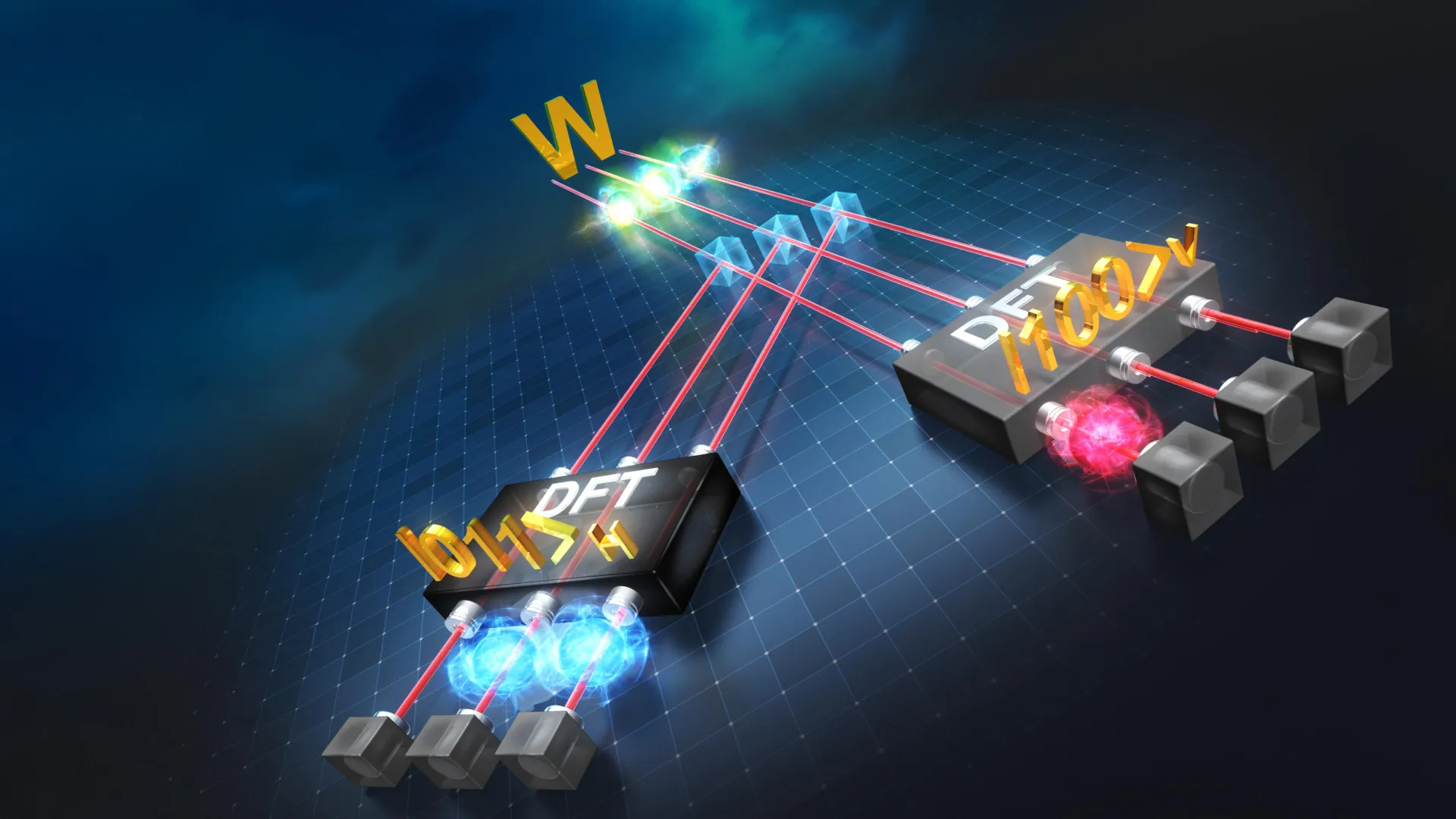
Japanese Scientists Detect Quantum "W States" Instantly
Scientists in Japan have developed a new method to instantly detect elusive quantum "W states," described as a major milestone for quantum technology. The breakthrough is expected to help unlock faster quantum communication, teleportation, and powerful new computing systems. W states are a form of entangled quantum state that have proven notoriously difficult to measure reliably.
Quantum Computing Reaches Commercial Tipping Point
According to the McKinsey Quantum Technology Monitor 2026 report (released April 28), quantum computing has reached a commercial tipping point, with over 300 companies now adopting the technology and creating a multibillion-dollar market. This finding underscores the accelerating transition from research to real-world deployment.
Algorithmic & Hardware Progress
NIST Advances Nine Post-Quantum Digital Signature Candidates
On May 18, NIST advanced nine post-quantum digital signature candidates to the third round of evaluation, aiming to diversify its post-quantum cryptography (PQC) portfolio beyond current standards. The move reflects growing urgency to future-proof digital infrastructure against quantum threats.

Quantum Computing's "ChatGPT Moment" Still Missing
A guest analysis published this week argues that the quantum computing field is not waiting on technology — it is waiting on a clearly defined, commercially viable use case described as "quantum's ChatGPT moment." The piece highlights that despite hardware progress, the field lacks a single transformative trigger application that would drive mass adoption.

Scientific American: Quantum Computing at a Make-or-Break Moment
A feature published this week by Scientific American examines whether quantum computers will truly change the world, framing the current period as a critical inflection point for the industry.

Industry & Institutional Updates
U.S. Department of Commerce Commits $2 Billion to Quantum Computing
The U.S. Department of Commerce has announced a $2 billion investment in quantum computing, described by analysts as raising "green flags" for the sector. Commentary published this week characterizes quantum computing as "2026's most underrated tech trend," arguing that this level of federal commitment signals a structural shift in government support.
India's National Quantum Mission Achieves Chip Breakthrough
India's National Quantum Mission has recorded a quantum computing chip breakthrough as of May 2026. The development marks a new milestone for the country's broader quantum initiative and positions India among active competitors in the global quantum hardware race.
ScienceDaily Quantum Computers News Feed Active This Week
ScienceDaily's dedicated quantum computers news section has been updated as recently as five days ago, continuing to track developments in experimental and applied quantum computing research worldwide.
Analysis & Community Insights
Classical Algorithm Advance Reframes the Quantum Advantage Debate
The Flatiron Institute result — showing classical tensor network methods can solve problems previously attributed exclusively to quantum computers — has significant implications for how researchers define and measure quantum advantage. Rather than diminishing quantum computing's promise, experts note the finding "opens new research directions," suggesting that identifying genuinely quantum-hard problems will require more rigorous benchmarking criteria going forward.
Commercial Adoption Outpaces Public Narrative
The juxtaposition of the McKinsey report's finding — over 300 companies adopting quantum technology — with the ongoing debate about a missing "ChatGPT moment" reveals a gap between enterprise-level adoption and broadly recognized transformative use cases. According to commentary published this week, the field's near-term trajectory depends less on hardware maturity and more on the emergence of a single, universally compelling application.
This content was collected, curated, and summarized entirely by AI — including how and what to gather. It may contain inaccuracies. Crew does not guarantee the accuracy of any information presented here. Always verify facts on your own before acting on them. Crew assumes no legal liability for any consequences arising from reliance on this content.
Powered by
