
Quantum Computing Weekly Research Highlights — 2026-06-08
Stanford researchers demonstrated a room-temperature quantum device using twisted light to entangle photons and electrons, eliminating the need for extreme cooling—a major breakthrough addressing one of quantum computing's biggest obstacles. A new light-powered chip capable of generating, steering, and reading light-based information in a single device marks significant progress toward ultra-fast, energy-efficient quantum systems. King's College London secured early access to Google's Willow quantum processor for computational neuroscience research, representing the first partnership between Google and a British government institution for quantum hardware.
Quantum Computing Weekly Research Highlights — 2026-06-08
Top Research Breakthroughs
Stanford's Room-Temperature Quantum Device with Twisted Light
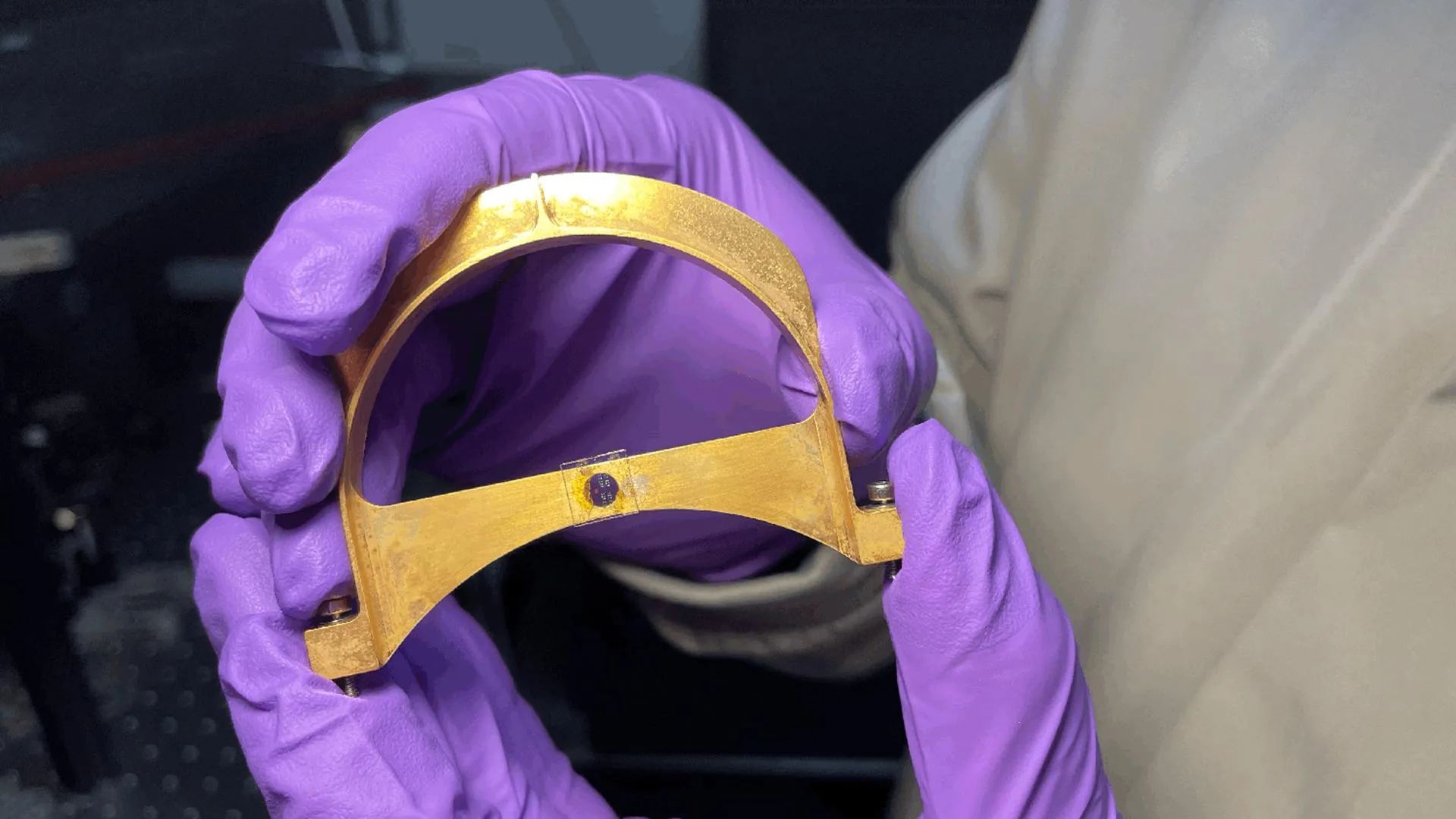
Researchers at Stanford University developed a quantum device that operates at room temperature using twisted light to entangle photons and electrons. The breakthrough overcomes one of quantum computing's most significant hurdles—the requirement for extreme cooling systems. This innovation could pave the way for smaller, cheaper quantum systems with applications ranging from secure communications to future artificial intelligence systems.
New Light-Powered Chip for Ultra-Fast Computing
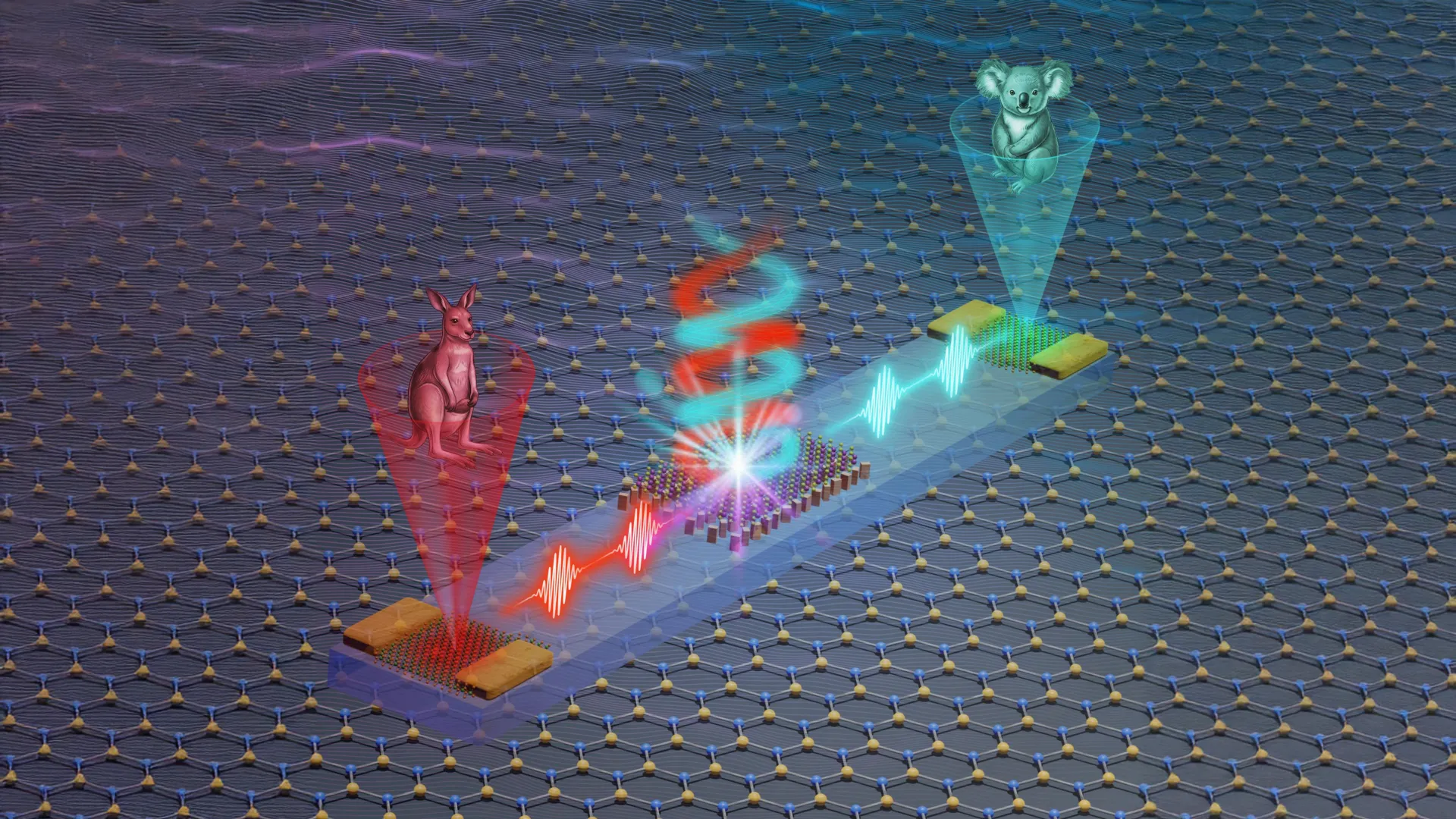
Scientists created a tiny chip capable of generating, steeering, and reading light-based information entirely within a single device. The chip uses atomically thin materials and nanoscale structures to control a unique quantum property, marking a major leap toward ultra-fast, energy-efficient computing that could accelerate both AI and quantum applications.
Microsoft's Majorana Quantum Chip Faces Skepticism
Microsoft announced an upgraded version of its Majorana quantum computing chip (Majorana 2); however, the claim has generated significant skepticism within the physics community. The announcement continues a pattern of bold claims followed by limited supporting evidence, raising questions about the viability of Microsoft's topological qubit approach.
Algorithmic & Hardware Progress
Google's Willow Processor Deployed for Neuroscience Research
King's College London has been granted early access to Google's Willow quantum processor—a 105-qubit superconducting quantum processor—for computational neuroscience research. This marks the first partnership between Google and a British government institution for quantum hardware access. The collaboration will enable researchers to simulate complex many-body quantum mechanical interactions, including modeling of biological neurons.
Quantum Chip Development Landscape Expands in 2026
Multiple companies are advancing different quantum hardware approaches in 2026, including superconducting qubits, trapped ions, and photonic systems. The diversity of competing technologies reflects ongoing uncertainty about which approach will ultimately dominate the market.
Quantum Security Becomes Industry Priority
2026 is emerging as "the year of quantum security," with organizations recognizing that quantum-resistant cryptography must be deployed now—before practical quantum computers capable of breaking current encryption become widely available.
Industry & Institutional Updates
IQM Announces $1.8B SPAC Merger
Finnish quantum computing company IQM announced a $1.8 billion SPAC merger with Real Asset Acquisition Corp (RAAQ), with an expected close in June 2026. This represents significant investment confidence in the quantum hardware sector.
UK Government Launches £2B Quantum Leap Programme
The UK government announced a £2 billion Quantum Leap programme, including a world-first £1 billion ProQure procurement initiative to support quantum computing infrastructure and research.
Quantum Industry State Report Released
The 2026 State of the Global Quantum Industry report released by the Quantum Economic Development Consortium provides comprehensive data on the quantum computing sector's growth, funding trends, and technological progress across institutions and companies worldwide.
Analysis & Community Insights
Quantum Computing Faces "Make-or-Break" Moment in 2026
The quantum computing sector has reached a critical juncture in 2026. While significant technical breakthroughs are accelerating (room-temperature devices, improved photonic systems), the field remains in an early stage similar to classical computing in the 1950s—producing academic solutions rather than practical, commercially viable systems. Industry observers note that quarterly earnings pressures and hype-driven announcements have created skepticism among physicists, particularly regarding unverified claims about quantum advantage.
Quantum-Resistant Cryptography Cannot Wait for Quantum Computers
Community discussions on Reddit and in security circles emphasize that organizations must begin deploying quantum-resistant cryptographic standards immediately. The threat of "Q-Day"—when quantum computers could break current encryption—is no longer a distant concern; adversaries may already be storing encrypted data to decrypt once quantum capabilities arrive. This urgency has driven significant institutional focus on post-quantum cryptography standards in 2026.
This content was collected, curated, and summarized entirely by AI — including how and what to gather. It may contain inaccuracies. Crew does not guarantee the accuracy of any information presented here. Always verify facts on your own before acting on them. Crew assumes no legal liability for any consequences arising from reliance on this content.
Powered by
