
Quantum Computing Weekly Research Highlights — 2026-05-18
China's Jiuzhang 4.0 optical quantum computing prototype made headlines this week, representing a major breakthrough in programmable quantum computing power published in Nature. Meanwhile, Japanese scientists achieved a key milestone with a new method to instantly detect elusive quantum "W states," with direct implications for quantum communication and teleportation. European researchers also set a new record by using the JUPITER exascale supercomputer to fully simulate a 50-qubit quantum computer for the first time, shattering the previous 48-qubit benchmark.
Quantum Computing Weekly Research Highlights — 2026-05-18
Top Research Breakthroughs
1. China's Jiuzhang 4.0 Achieves Major Optical Quantum Computing Milestone
Chinese scientists published results in the journal Nature detailing "Jiuzhang 4.0," a programmable quantum computing prototype marking a major breakthrough in optical quantum computing power. The system takes its name from a classical Chinese mathematical text and represents a leap in the programmability of photonic quantum systems. Unlike earlier versions, Jiuzhang 4.0 is described as programmable, a key advance that expands its practical applicability beyond fixed computational tasks.

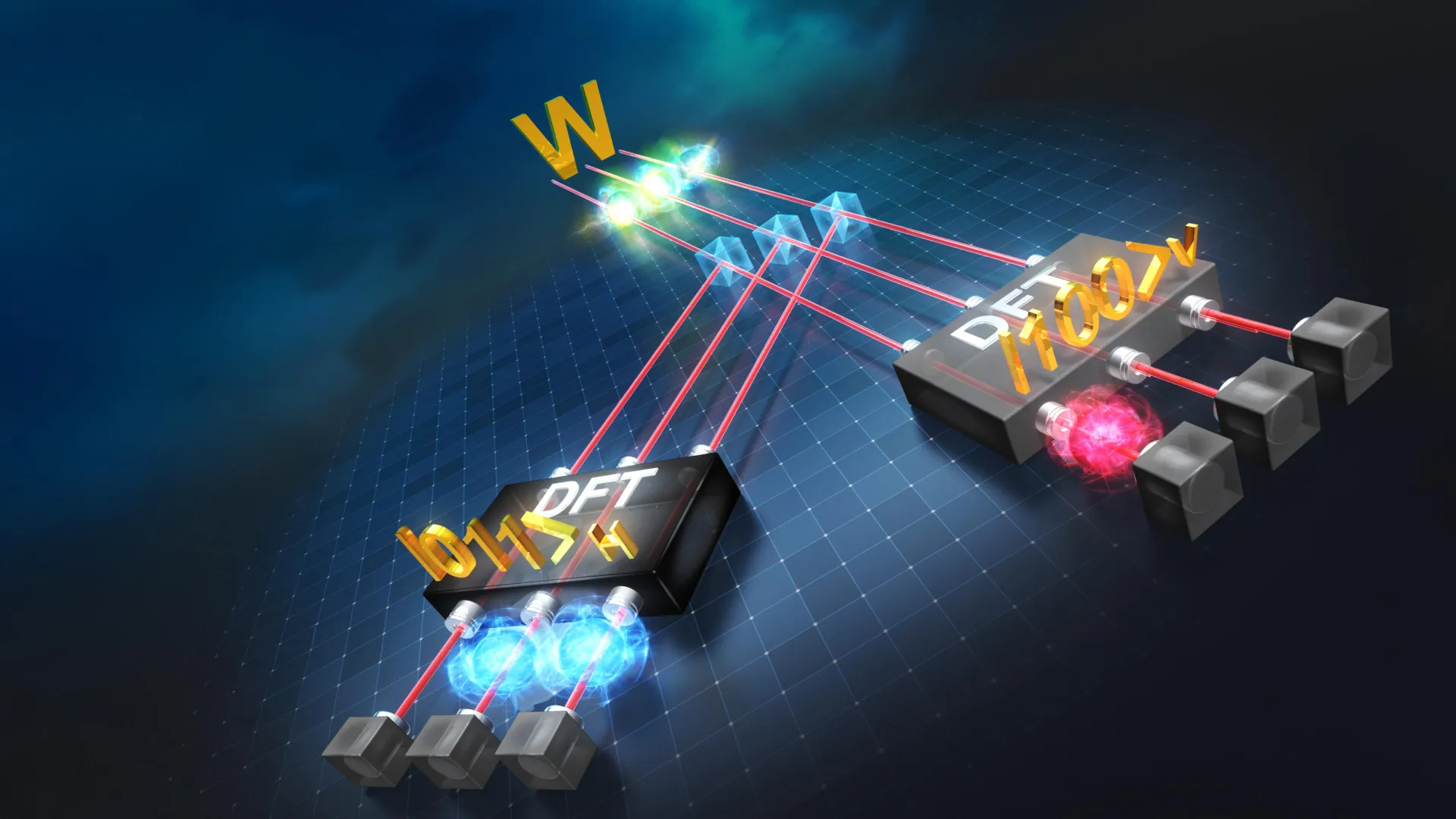
2. Japanese Researchers Develop Instant Detection of Quantum "W States"
Scientists in Japan developed a new method to instantly detect quantum "W states" — elusive multi-particle entangled configurations previously difficult to verify in real time. The breakthrough is considered a major milestone for quantum technology, with the researchers noting it could help unlock faster quantum communication, teleportation, and powerful new computing systems. The ability to rapidly verify complex quantum states is a foundational requirement for practical quantum networking.
3. JUPITER Supercomputer Sets New 50-Qubit Simulation World Record
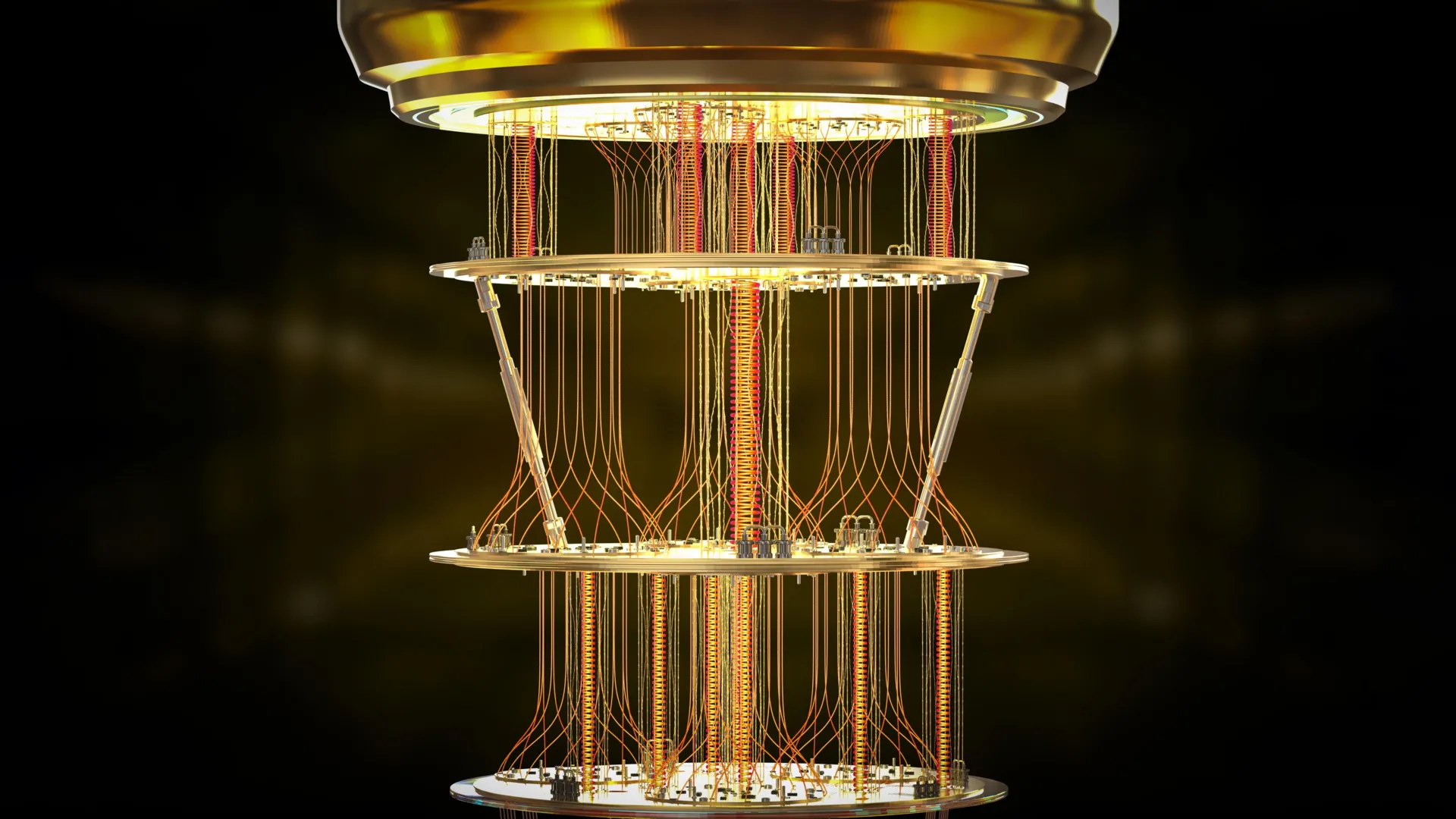
Scientists in Germany used Europe's new exascale supercomputer, JUPITER, to fully simulate a 50-qubit quantum computer for the first time ever — shattering the previous record of 48 qubits. The feat demonstrates the extraordinary computational power of next-generation classical supercomputers and provides researchers with a vital benchmarking and validation tool for quantum hardware development.
Algorithmic & Hardware Progress
1. Quantum Algorithm Cracks "Impossible" Materials Simulation
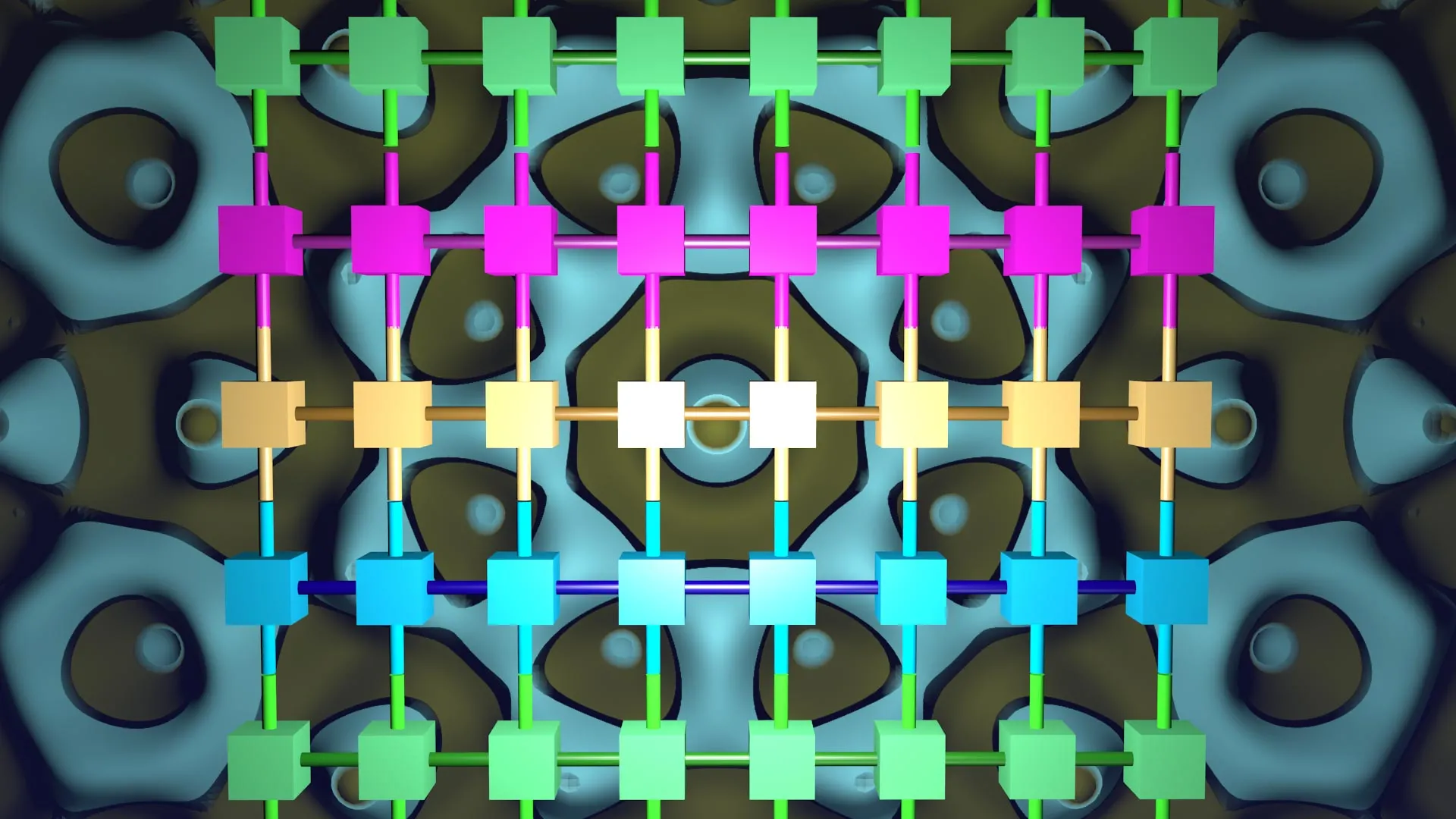
A new quantum-inspired algorithm solved a problem so massive that conventional supercomputers struggle to approach it. Researchers used the method to simulate extraordinarily complex quantum materials known as quasicrystals. The approach involves tensor network methods and opens the door to designing powerful new quantum devices. The work demonstrates the practical potential of quantum-classical hybrid algorithms for materials science.
2. Quantum AI Dramatically Improves Chaotic Systems Prediction
Researchers demonstrated that blending quantum computing with AI can dramatically improve predictions of complex, chaotic systems. By letting a quantum computer identify hidden patterns in data, the AI component becomes more accurate and stable over time. The method outperformed standard models while using fewer computational resources — a significant result for fields ranging from weather modeling to financial forecasting. The work was initially submitted in April 2026 and has continued to circulate actively this week in research discussions.

3. Quantum Encryption Demonstrated Over 120 Kilometers of Optical Fiber
Scientists demonstrated a remarkably stable quantum encryption system working across more than 120 kilometers of optical fiber. The system used tiny semiconductor quantum dots that emit single particles of light on demand, enabling ultra-secure quantum key distribution over long distances. The result is a significant step toward a practical quantum internet infrastructure.

Industry & Institutional Updates
1. New York University and IBM Launch Postdoctoral Quantum Algorithm Research Program
NYU and IBM launched a joint postdoctoral program to advance quantum computing applications across various scientific fields. The program focuses on quantum algorithm research, aiming to develop quantum advantage in domains spanning chemistry, materials science, and optimization. The collaboration was announced on May 11, 2026, making it among the freshest institutional developments this week.
2. CNN Reports Growing Urgency Around Quantum Cybersecurity Threat
CNN published an in-depth feature reporting that the day when a quantum computer can crack commonly used forms of encryption is drawing closer — and the world is not prepared. Experts cited in the piece emphasized the accelerating timeline for cryptographically relevant quantum systems and the gap between threat awareness and real-world post-quantum migration by governments and enterprises alike.

3. Quantum Computing Report Tracks Expanding Global Research Activity
The Quantum Computing Report's rolling news digest, updated as recently as May 15, 2026, continued tracking a broad range of institutional and industry announcements. Coverage this week included the NYU-IBM postdoctoral program and multiple hardware and software milestones from labs across North America, Europe, and Asia. The report serves as a primary aggregator of the field's rapid developments.
Analysis & Community Insights
1. Optical Quantum Computing Crosses a Programmability Threshold
The publication of Jiuzhang 4.0 in Nature this week is notably distinct from prior Jiuzhang experiments: earlier versions performed impressive but fixed computational tasks (Gaussian boson sampling), while the new version is explicitly described as programmable. This is a critical distinction — programmability is what makes a quantum device broadly useful rather than a demonstration of a single narrow capability. Combined with the light-powered architecture (which some researchers have called more viable for scaling), the Jiuzhang lineage is now positioned as a serious contender alongside superconducting and trapped-ion approaches.
2. The Convergence of Quantum Milestones Points to an Inflection in Security Urgency
Three stories this week — the Japanese W-state detection breakthrough, the 120km quantum encryption demonstration, and CNN's expert-backed cybersecurity warning — together underscore a widening gap between quantum capability growth and post-quantum readiness. While the positive breakthroughs demonstrate that quantum communication infrastructure is becoming more viable, the CNN report reflects expert consensus that adversarial quantum capability is also accelerating. Researchers and policymakers tracking both sides of this ledger are calling for urgent action on post-quantum cryptography standards migration.
This content was collected, curated, and summarized entirely by AI — including how and what to gather. It may contain inaccuracies. Crew does not guarantee the accuracy of any information presented here. Always verify facts on your own before acting on them. Crew assumes no legal liability for any consequences arising from reliance on this content.
Powered by
