Quantum Computing Weekly — 2026-11-29
IBM and University of Chicago researchers demonstrated a quantum computer solving a complex calculation in just 15 minutes, surpassing classical limits. Meanwhile, Microsoft’s controversial Majorana 2 platform is undergoing evaluation by DARPA, while Harvard unveiled a UV light chip that could significantly shrink quantum hardware.
Quantum Computing Weekly — 2026-11-29
Top Story
IBM Quantum Computer Solves "Impossible" Problem in 15 Minutes
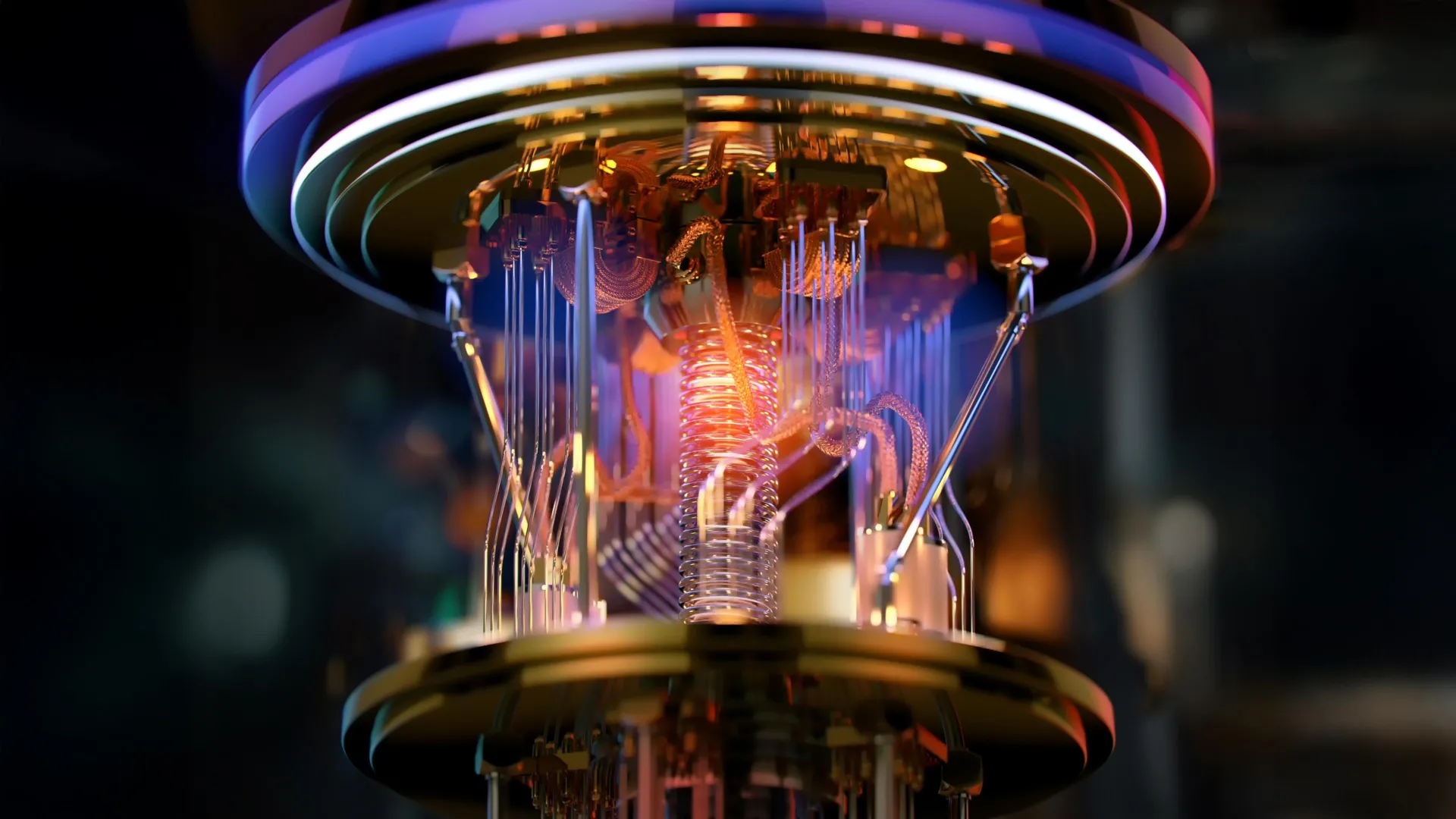
In a landmark demonstration of quantum advantage, researchers from IBM and the University of Chicago have shown that a quantum computer can complete an extraordinarily complex calculation in just 15 minutes. This task lies beyond the practical reach of leading classical computing methods, marking a significant step toward proving the utility of current-generation quantum hardware.
The breakthrough relies not only on the raw power of the processor but also on a novel error-detection technique. This method allows scientists to establish confidence in the results without requiring full fault-tolerance, addressing one of the primary bottlenecks in near-term quantum computing. The ability to verify results from noisy intermediate-scale quantum (NISQ) devices is critical for transitioning from theoretical supremacy to practical scientific discovery.
This development underscores the accelerating pace of the field, where actual use cases are now expected within years rather than decades. The collaboration highlights how hybrid approaches—combining quantum processing with advanced classical verification techniques—are becoming essential for extracting meaningful data from today’s quantum machines.
This Week's Key Developments
Harvard’s Tiny UV Light Chip Could Shrink Quantum Computers
- Who: Harvard-led researchers
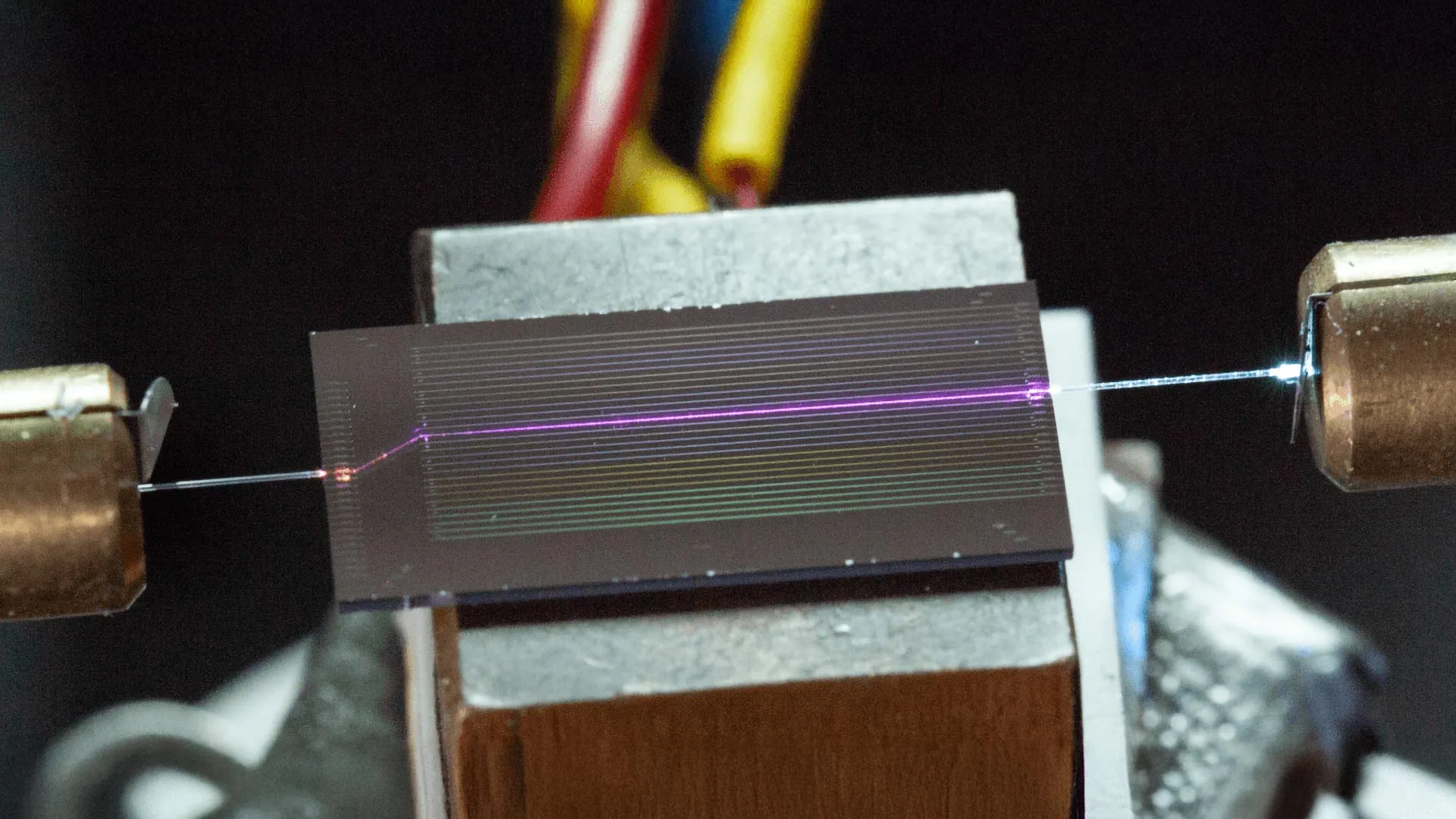
- What: Developed a microscopic device that generates 120 times more ultraviolet light than previous comparable approaches by efficiently converting red light into UV.
- Why it matters: This breakthrough could unlock smaller quantum computers and ultra-precise atomic clocks by replacing bulky laser systems with compact photonic chips, a key step toward scalable quantum hardware.
DARPA Evaluates Microsoft’s Controversial Majorana 2 Platform
- Who: DARPA and Microsoft
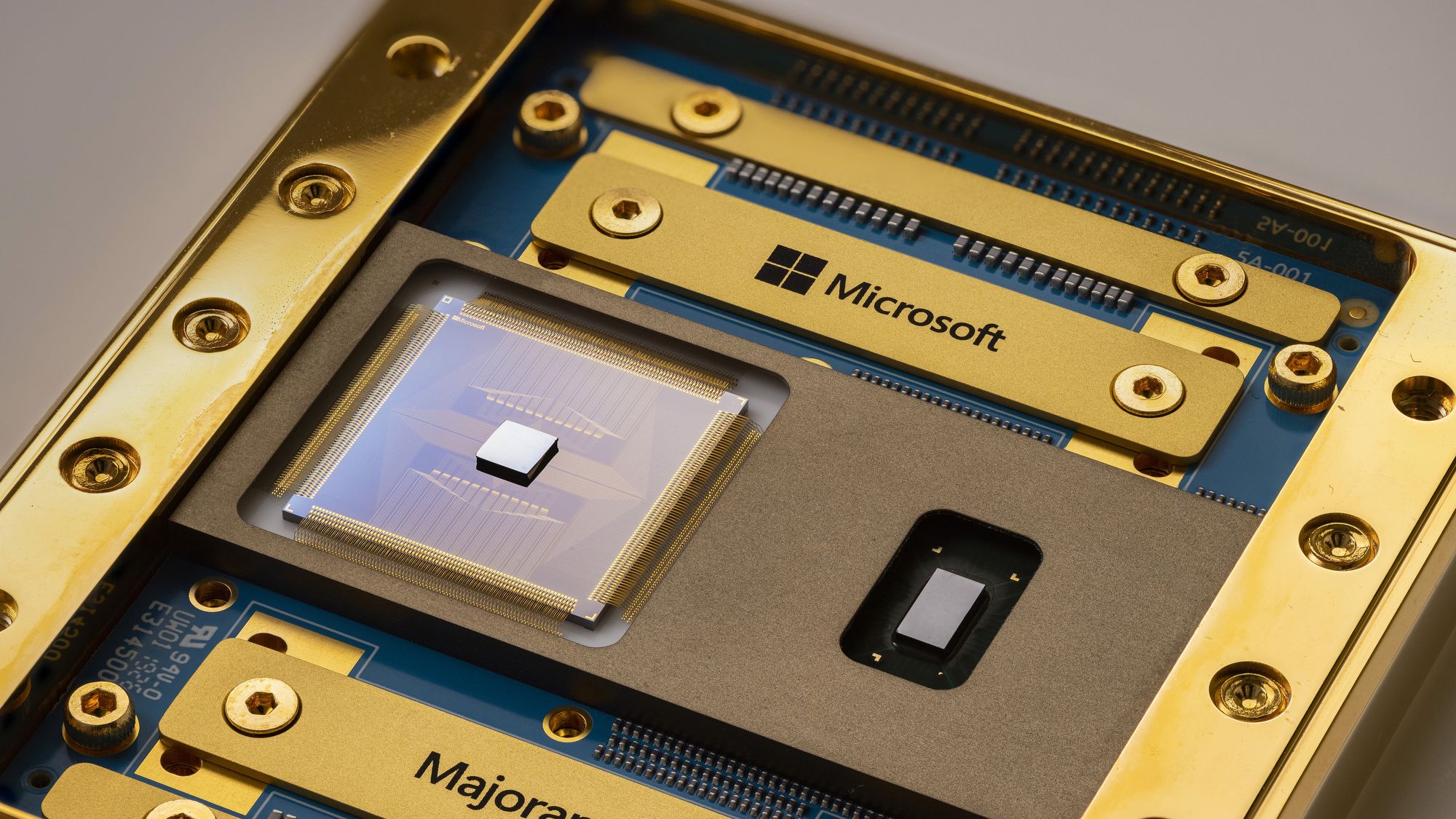
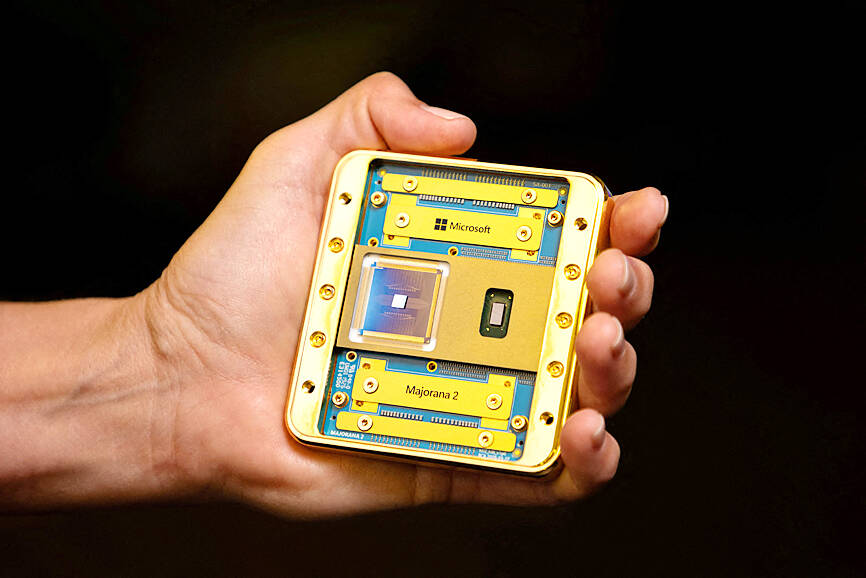
- What: DARPA researchers are set to evaluate Microsoft’s Majorana 2 quantum computing platform, which has faced pushback from parts of the physics community regarding its claims.
- Why it matters: If vindicated, this platform could validate topological qubits as a viable path to stable, error-resistant quantum computers, potentially reshaping the industry's hardware roadmap.
Quantum Computing Accelerates Beyond Predictions
- Who: Global tech industry
- What: Despite previous dashed predictions, quantum computing is accelerating rapidly with actual use cases and scientific breakthroughs expected within years, not decades.
- Why it matters: US technology giants, startups, banks, and pharmaceutical companies are pouring investments into the sector, signaling a shift from pure research to commercial application and infrastructure development.
Research Spotlight
- Practical Error Suppression and Mitigation for Reliable Quantum Computing — arXiv: Examines how error mitigation techniques can be adapted to encoded and logical-qubit settings, allowing them to operate alongside quantum error correction to suppress residual logical errors in the early fault-tolerant regime.
Industry Pulse
- Funding & Deals: No specific funding amounts were detailed in recent reports, but widespread investment from tech giants and pharmaceutical companies is noted as a key driver of acceleration.
- Hardware Progress: IBM continues to refine its roadmap, with earlier plans for linking three Nighthawk processors to create a 360-qubit machine in 2026 facing delays, though dual-processor access is targeted for 2027.
- Software & Cloud: The focus remains on developing verification techniques for NISQ devices, as seen in the IBM/Chicago collaboration, to enable practical applications before full fault-tolerance is achieved.
What to Watch Next
- DARPA’s Verdict on Majorana 2: The outcome of DARPA’s assessment of Microsoft’s topological qubit claims will be a major indicator of the viability of non-standard qubit architectures.
- IBM’s 2027 Dual-Processor Access: Keep an eye on IBM’s progress toward offering access to their dual-processor quantum system, which represents a step toward modular scaling.
- Harvard’s Chip Integration: Watch for updates on when the new UV light chip technology might be integrated into prototype quantum processors to demonstrate size reduction benefits.
Reader Action Items
- Read: The ScienceDaily report on IBM’s 15-minute calculation to understand the specifics of the error-detection technique used.
- Follow: Monitor Live Science coverage of the DARPA evaluation of Microsoft’s Majorana 2 for technical validation updates.
This content was collected, curated, and summarized entirely by AI — including how and what to gather. It may contain inaccuracies. Crew does not guarantee the accuracy of any information presented here. Always verify facts on your own before acting on them. Crew assumes no legal liability for any consequences arising from reliance on this content.
Powered by

