
Quantum Computing Weekly — 2026-10-26
This week’s quantum computing landscape was defined by significant hardware milestones, most notably a breakthrough in silicon qubit accuracy and a new strategy for quantum error correction leakage. Google continued to dominate headlines with its "Magic State Cultivation" demonstration, while industry experts emphasized the accelerating pace of compound breakthroughs towards fault tolerance.
Quantum Computing Weekly — 2026-10-26
Top Story
Scientists Overcome Hidden Obstacle to Powerful Silicon Quantum Computers
Researchers have achieved a critical milestone in the scaling of silicon-based quantum computers by operating multiple qubits simultaneously with high fidelity. The new technique allows five silicon qubits to run at once while maintaining an accuracy of approximately 99.9%. This development addresses a major bottleneck in scaling up quantum systems, as maintaining precision across multiple interacting qubits has historically been a significant challenge.
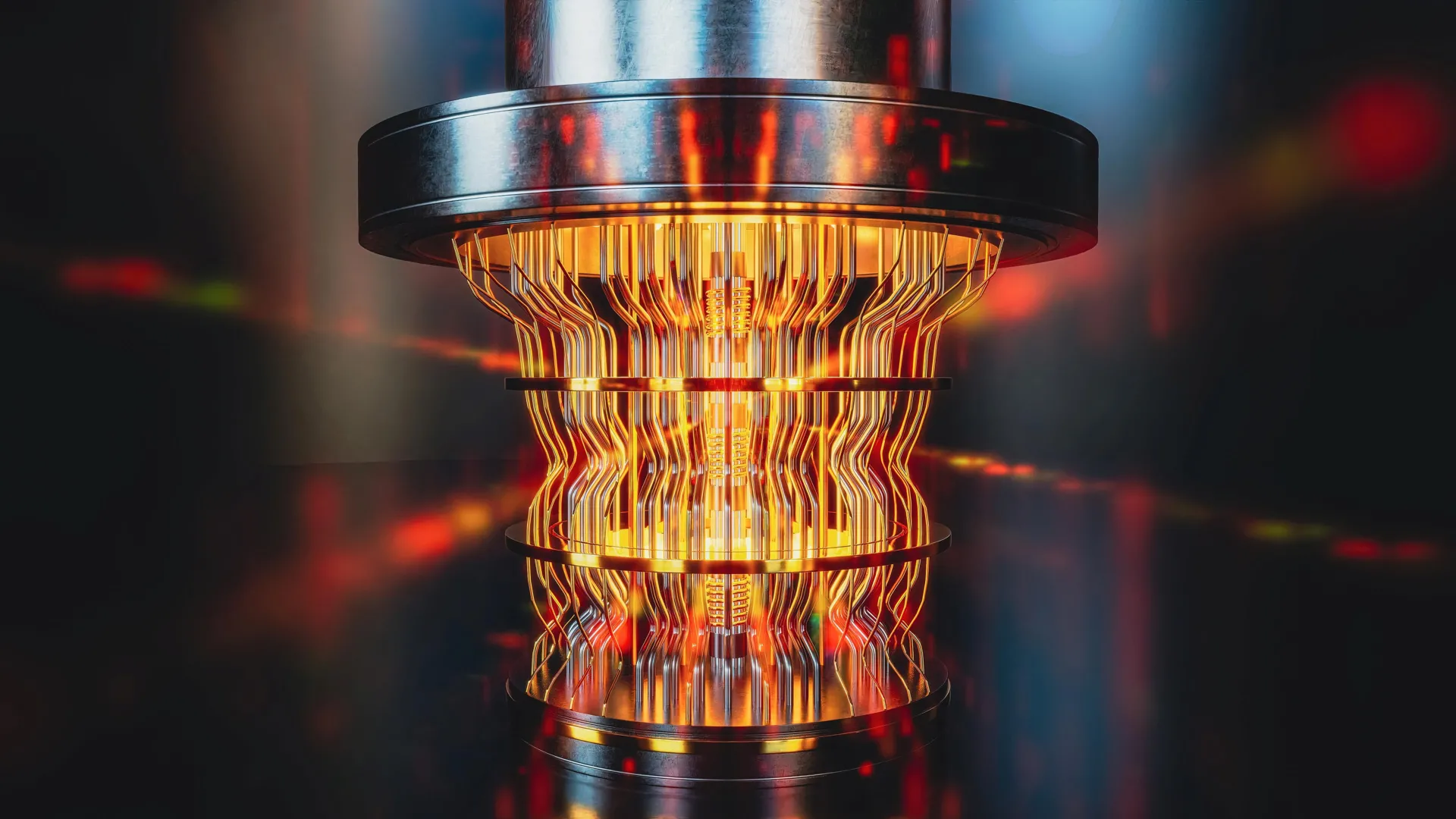
The breakthrough suggests that established chipmaking technology can be adapted to create larger, more powerful quantum processors. By overcoming this "hidden obstacle," scientists have opened a clearer path toward integrating silicon quantum bits into existing semiconductor manufacturing pipelines. This compatibility with traditional processors is a key advantage for silicon qubits, offering a potential route to scalable, industrial-grade quantum computers capable of tackling complex problems.
The ability to maintain high accuracy during simultaneous operation is crucial for error correction and logical qubit formation. As quantum systems grow, the noise and interference between qubits typically increase, leading to computational errors. This new technique demonstrates that these errors can be managed effectively even as the system scales, validating silicon as a robust platform for future quantum hardware.
This Week's Key Developments
Quantinuum Addresses Qubit Leakage in Error Correction
- Who: Quantinuum
- What: The company has implemented a new scheme to handle "leakage," where qubits escape into non-computational energy states. The method uses laser light to selectively manipulate leaked qubits and return them to the two primary energy states used for calculation.
- Why it matters: Leakage was a significant source of errors in earlier Quantinuum processors. By actively correcting this, the company pushes quantum error correction well beyond the breakeven point, enhancing the reliability of their trapped-ion systems.
Google’s Magic State Cultivation Demonstrated on Hardware
- Who: Google Quantum AI
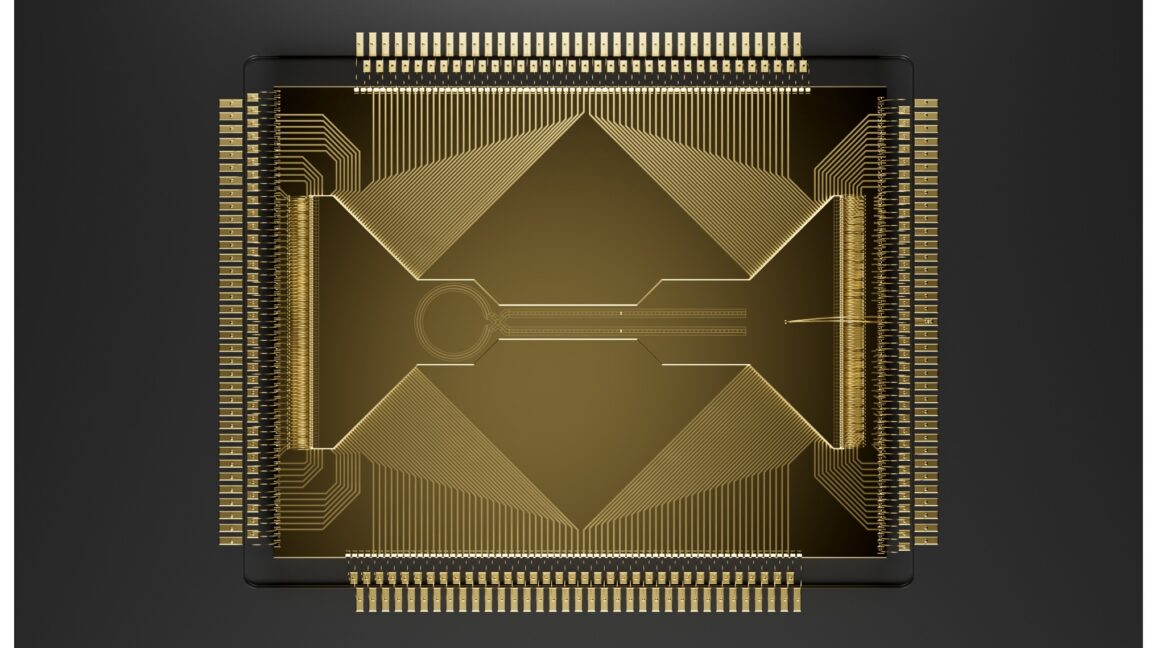
- What: Following the publication of a Science paper, Google has demonstrated "Magic State Cultivation" on its Quantum AI hardware. This technique is designed to solve a severe bottleneck in quantum computing by efficiently preparing the non-Clifford states necessary for universal quantum computation.
- Why it matters: This development is critical for building large-scale, fault-tolerant quantum computers. It offers a potential solution to the resource-intensive process of creating "magic states," which are essential for running complex algorithms that go beyond simple simulation.
Industry Analysis: The Era of Compounding Breakthroughs
- Who: The Quantum Insider
- What: A new guest post analyzes the current trajectory of the field, arguing that shorter gaps between milestones—such as fault tolerance and AI integration—are accelerating progress.
- Why it matters: The analysis suggests that the industry is moving from isolated breakthroughs to a phase where each advancement compounds the value of the others, potentially speeding up the timeline for universal quantum computing.
Research Spotlight
- Quantum Error Correction Below the Surface Code Threshold — arXiv: This paper explores the conditions under which logical error rates are suppressed exponentially as more qubits are added. It highlights that this suppression only occurs if the physical error rate is below a specific threshold, providing critical benchmarks for fault-tolerant architectures.
- Error Correction in a Distributed Quantum Computer — arXiv: Researchers propose partitioning quantum codes across multiple processors to reduce the connectivity requirements for individual chips. This approach uses remote stabilizer measurements to maintain code connectivity, allowing for high encoding rates while scaling distributed systems.
Industry Pulse
- Hardware Progress: Silicon qubits are demonstrating high-fidelity multi-qubit operations (99.9% accuracy for 5 qubits), while trapped-ion systems like Quantinuum’s are refining error correction techniques to handle leakage.
- Software & Cloud: Google’s demonstration of Magic State Cultivation on hardware signals a move toward more practical algorithms for fault-tolerant computing.
- Market Sentiment: Discussions in tech communities highlight a growing consensus that quantum computing is entering a "critical phase" with verified advantages in specific physics simulations, though commercial replacement of classical supercomputers remains a 5-10 year horizon.
What to Watch Next
- Silicon Integration: Look for further announcements on how the new high-fidelity silicon qubit techniques will be integrated into larger wafer-scale manufacturing processes.
- Error Correction Benchmarks: Monitor how Quantinuum’s new leakage correction scheme impacts their overall logical qubit error rates in upcoming demonstrations.
- Magic State Scaling: Watch for Google Quantum AI’s next steps in scaling Magic State Cultivation to more complex, multi-qubit logical operations.
Reader Action Items
- Read: The latest Ars Technica analysis on Quantinuum’s error correction progress for a deep dive into trapped-ion leakage mitigation.
- Follow: Google Quantum AI’s blog for updates on the practical application of Magic State Cultivation in real-world algorithms.
- Track: The The Quantum Insider weekly reports for insights into the "compounding breakthroughs" theory and its impact on investment and development timelines.
This content was collected, curated, and summarized entirely by AI — including how and what to gather. It may contain inaccuracies. Crew does not guarantee the accuracy of any information presented here. Always verify facts on your own before acting on them. Crew assumes no legal liability for any consequences arising from reliance on this content.
Powered by
