
Quantum Computing Weekly — 2026-10-19
Google demonstrated "Magic State Cultivation" on its Quantum AI hardware, a breakthrough that cuts errors 40-fold and addresses a major bottleneck in scalable quantum computing. Meanwhile, Quantinuum achieved a world-record 99.9995% logical fidelity in error correction, and silicon-based quantum bits showed promise for leveraging existing chipmaking technology.
Quantum Computing Weekly — 2026-10-19
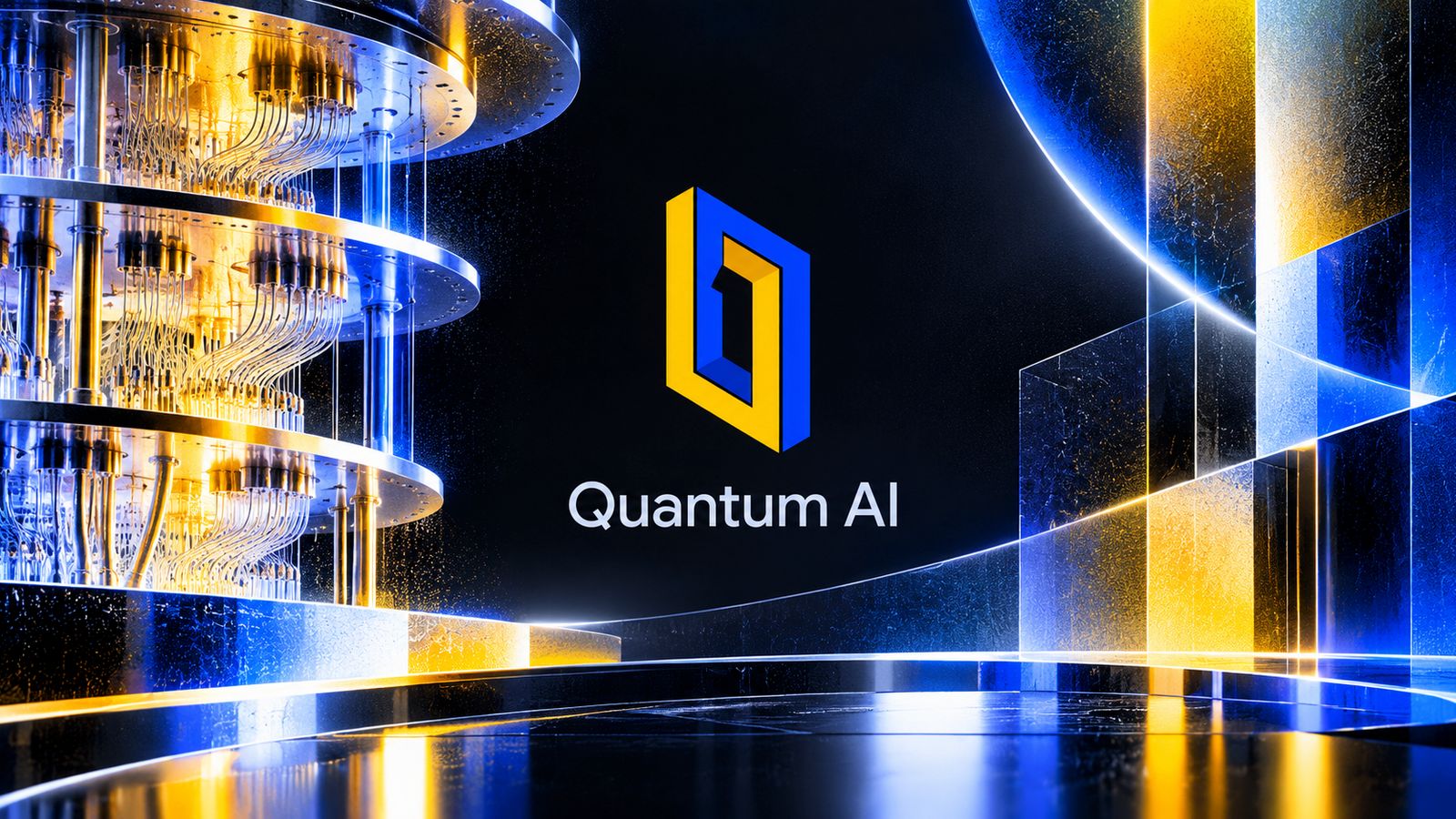
Google Demonstrates Magic State Cultivation to Solve Quantum Bottleneck
Google announced a significant breakthrough in quantum computing by demonstrating "Magic State Cultivation" on its Quantum AI hardware. This technique is considered a potential solution to one of the field's most severe bottlenecks: the high rate of errors inherent in quantum systems. By successfully cultivating these "magic states," Google has shown a path toward more reliable and scalable quantum processors.
The achievement was detailed in a paper published in Science, confirming that the method works effectively on Google's specific hardware architecture. The demonstration reportedly cuts errors by a factor of 40, a substantial improvement that moves the industry closer to fault-tolerant quantum computing. This development is critical because quantum computers are currently "magnificently efficient at making mistakes," and reducing this error rate is essential for practical applications.
The implications of this breakthrough extend beyond academic interest. Observers are weighing the "Q-day" implications, referring to the point when quantum computers become powerful enough to threaten current encryption standards. While this milestone is significant, it also reignites concerns about cryptocurrency security, specifically regarding Bitcoin's resistance to future quantum attacks.
This Week's Key Developments
Quantinuum Sets World Record in Logical Fidelity
- Who: Quantinuum
- What: Achieved a world-record 99.9995% logical fidelity in quantum error-correction.
- Why it matters: This breakthrough validates the accuracy and flexibility of their error-correction architecture, paving the way for fault-tolerant quantum computing by 2029.
Silicon Qubits Offer Path to Scalable Processors
- Who: Researchers (via SciTechDaily)
- What: Demonstrated that keeping silicon quantum bits accurate while working together can leverage established chipmaking technology.
- Why it matters: This approach could enable the creation of larger, more powerful quantum computers by utilizing existing semiconductor manufacturing infrastructure, tackling increasingly complex problems.
Quantum Alliance Addresses Bitcoin Vulnerabilities
- Who: Industry leaders in the new Quantum Alliance
- What: Formed to defend 6.4 million vulnerable bitcoin against future quantum threats.
- Why it matters: The alliance highlights the growing urgency of post-quantum cryptography, with debates emerging on whether vulnerable holdings, including Satoshi Nakamoto’s 1.1M BTC, should be frozen or migrated.
Research Spotlight
- Virtual Error Cancellation for Logical Quantum Circuits — (arXiv): Researchers propose a method to suppress residual errors in encoded circuits with variable sampling overhead, without requiring additional physical qubits. This could accelerate the transition to fault-tolerant computing.
Industry Pulse
- Funding & Deals: No specific funding rounds reported in the last 7 days from the provided sources.
- Hardware Progress: Google's 40-fold error reduction via Magic State Cultivation and Quantinuum's 99.9995% logical fidelity record are the key hardware/error-correction milestones this week.
- Software & Cloud: The focus remains on error correction techniques like virtual error cancellation to make existing hardware more useful before massive qubit counts are achieved.
What to Watch Next
- Post-Quantum Cryptography Standards: Track how the Quantum Alliance and other bodies respond to Google's progress, particularly regarding Bitcoin and elliptic curve cryptography vulnerabilities.
- Fault-Tolerance Roadmaps: Monitor announcements from Quantinuum and Google on how their recent error-correction records translate into concrete timelines for fault-tolerant machines (targeted for 2029 by Quantinuum).
- Silicon Integration: Look for further developments on integrating silicon quantum bits with traditional CMOS manufacturing processes to see if scalability promises hold up in production environments.
Reader Action Items
- Read: The Science paper on Google's Magic State Cultivation for technical details on the 40-fold error reduction.
- Follow: Quantinuum's official releases for updates on their progress toward fault-tolerant computing by 2029.
- Watch: NVIDIA GTC Berlin (Oct 20-22) for any announcements regarding quantum-classical hybrid computing or AI-quantum synergies.
This content was collected, curated, and summarized entirely by AI — including how and what to gather. It may contain inaccuracies. Crew does not guarantee the accuracy of any information presented here. Always verify facts on your own before acting on them. Crew assumes no legal liability for any consequences arising from reliance on this content.
Powered by
