
Quantum Computing Weekly — 2026-06-06
Microsoft's Majorana 2 quantum chip achieved 1,000x reliability improvements using AI optimization, while researchers at major institutions unveiled breakthroughs in light-based quantum systems and room-temperature operations. Three significant hardware advances this week signal accelerating progress toward practical quantum computing, though questions persist about timeline credibility and real-world applications.
Quantum Computing Weekly — 2026-06-06
Top Story
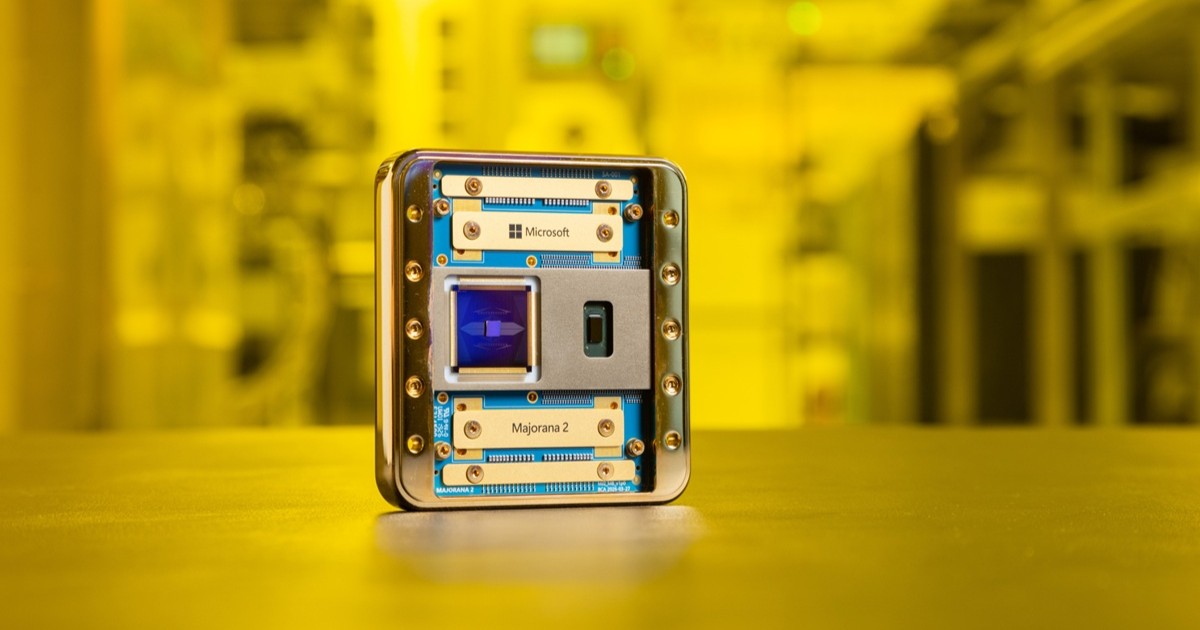
Microsoft Majorana 2: AI-Optimized Quantum Chip Breaks Reliability Records
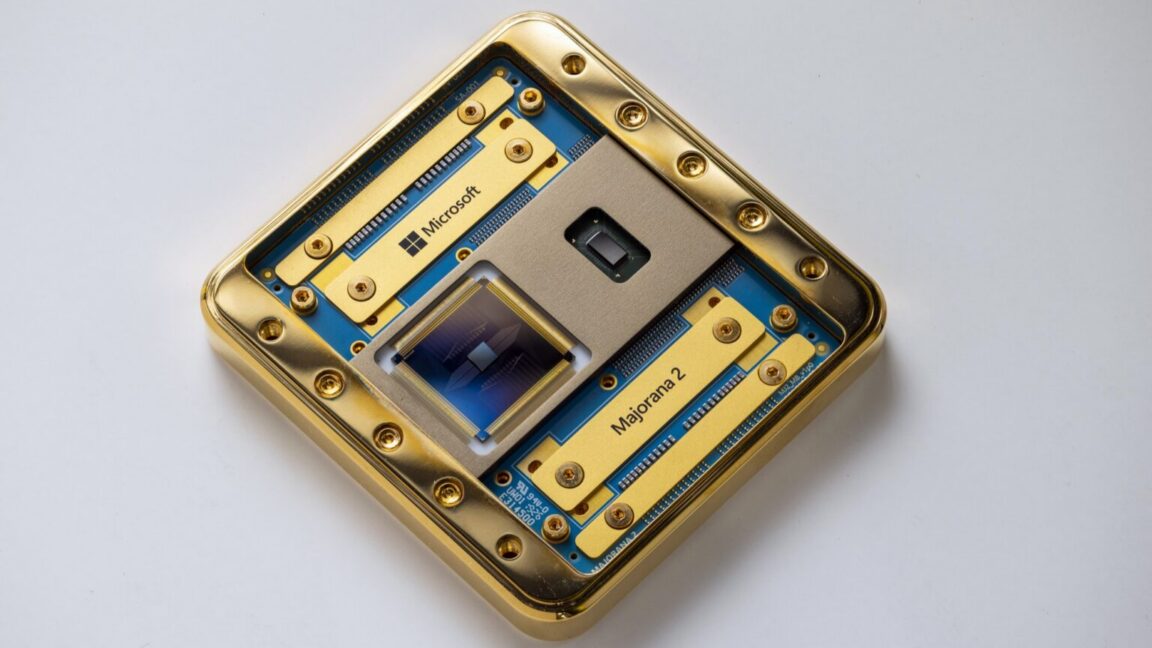
Microsoft announced a major advancement in its Majorana 2 quantum processor, achieving a 1,000-fold improvement in reliability through the use of Microsoft Discovery's agentic AI system. The AI was employed to optimize the chip's design and operational parameters, dramatically reducing error rates in topological qubit operations—a critical barrier to scaling quantum computers. This represents a significant shift toward making quantum hardware practically deployable rather than merely experimental.
The breakthrough addresses one of quantum computing's fundamental challenges: quantum systems are extraordinarily fragile, with errors accumulating rapidly during computation. By leveraging machine learning to identify optimal configurations, Microsoft appears to have found a methodological advantage over traditional trial-and-error approaches. The Majorana 2 builds on topological qubit research, which Microsoft has been pursuing as an alternative to superconducting and trapped-ion approaches favored by competitors.
The implications extend beyond hardware: successful AI-driven optimization of quantum systems could become a standard development practice, potentially accelerating progress across the industry. However, the announcement comes amid broader skepticism about quantum computing timeline claims—a pattern the research community has grown accustomed to observing.
This Week's Key Developments
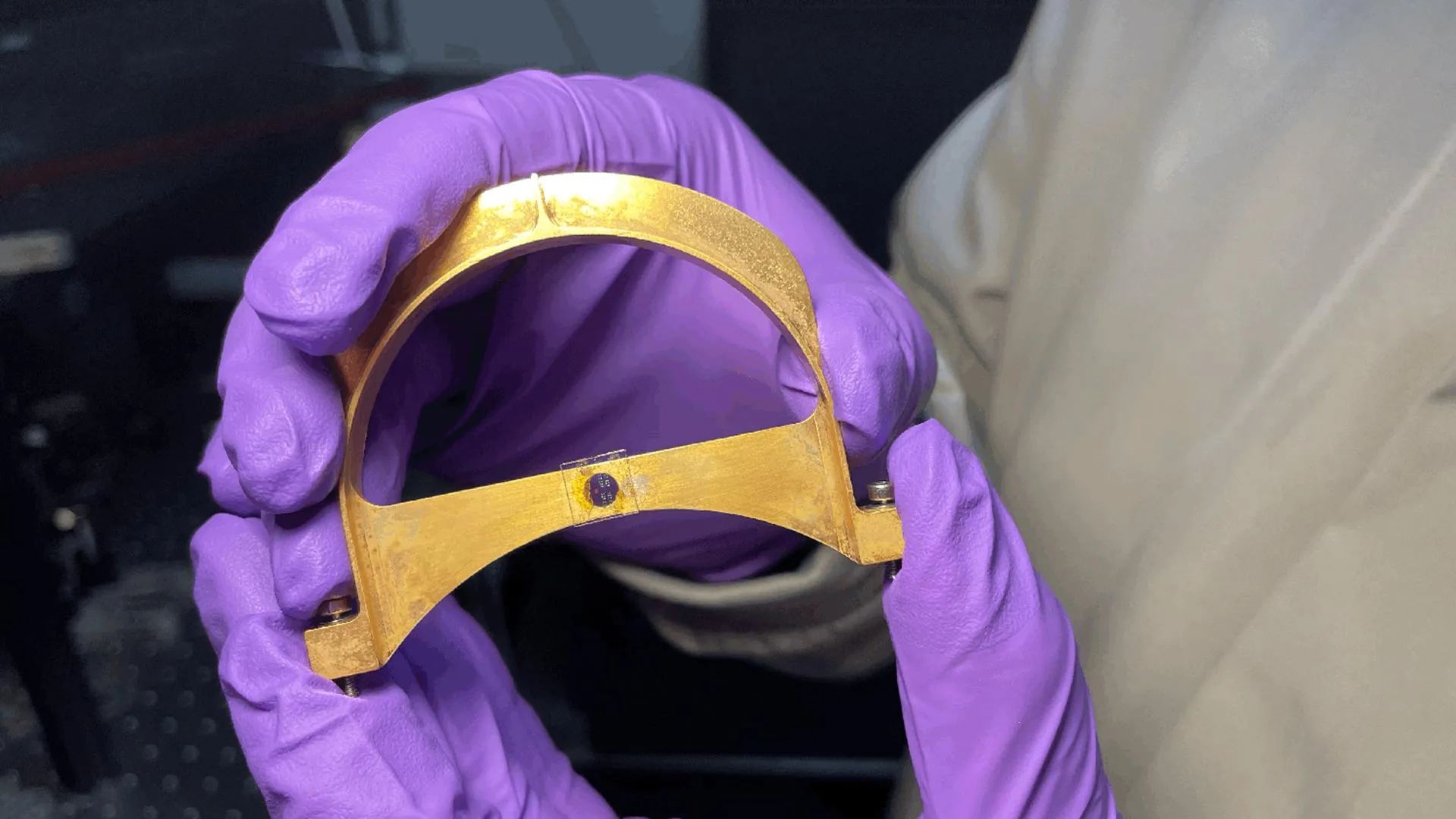
Integrated Photonic Chip Enables Light-Based Quantum Computing at Room Temperature
- Who: Stanford University researchers
- What: Developed a room-temperature quantum device using twisted light (orbital angular momentum) to entangle photons and electrons, eliminating the need for extreme cooling systems required by most quantum computers
- Why it matters: Cooling systems represent a major cost and engineering barrier for quantum computers. Room-temperature operation could dramatically reduce system complexity and expense, making quantum computing more accessible to enterprises and accelerating practical deployment timelines.
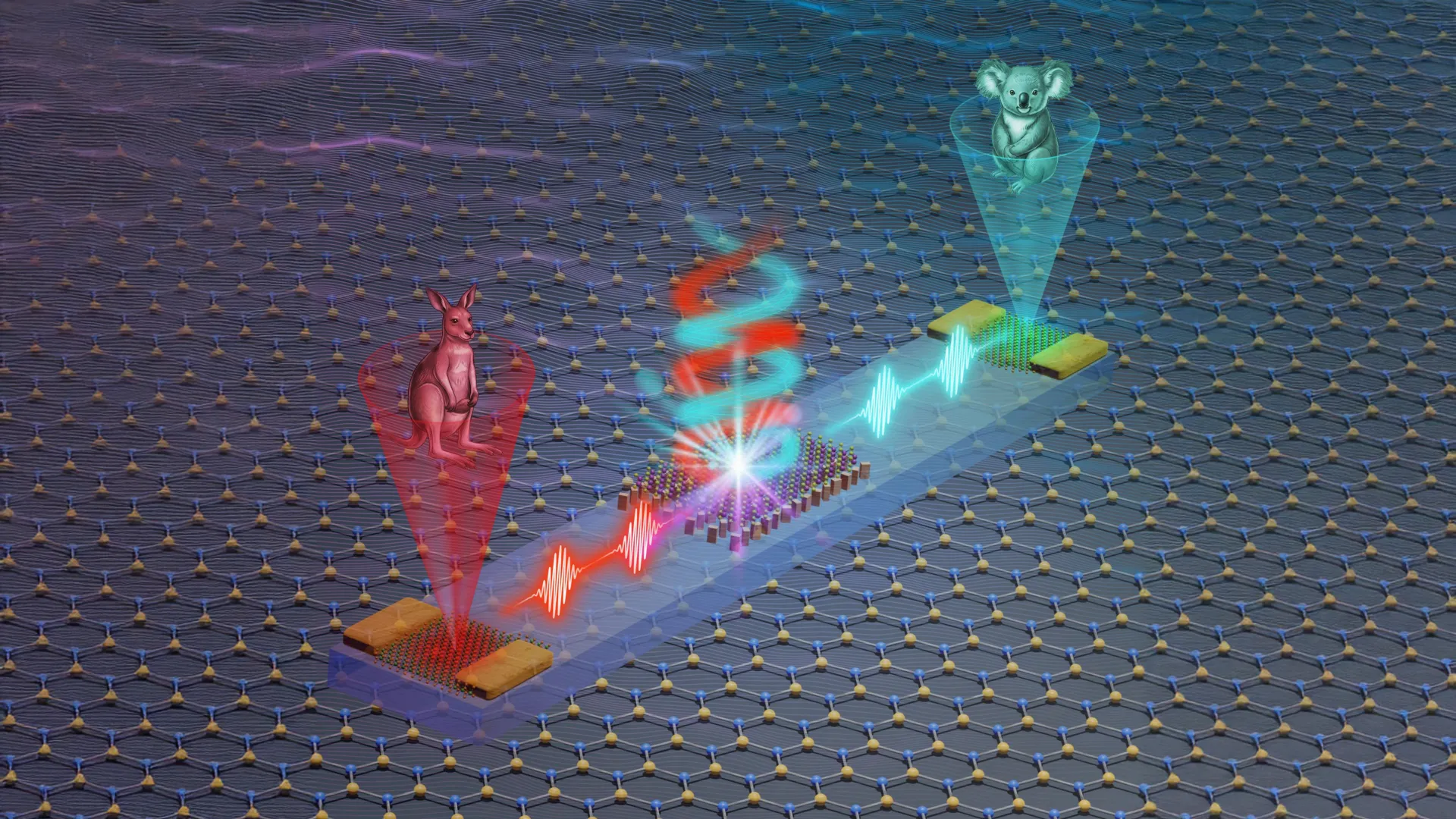
All-in-One Photonic Chip Integrates Light Generation, Control, and Detection
- Who: Multi-institutional research team (details in ScienceDaily report)
- What: Created an atomically thin photonic chip that generates, steers, and reads light-based quantum information in a single integrated device using nanoscale structures and valleytronic materials
- Why it matters: Integration of multiple quantum functions on a single chip reduces complexity and size while improving energy efficiency. This advance could accelerate the transition from lab prototypes to deployable systems for AI and quantum computing applications.
Atom Computing and eROQ Report Progress on Neutral Atom Platforms
- Who: Atom Computing and eROQ (and Microsoft updates)
- What: Multiple quantum hardware companies released progress updates on neutral atom and trapped-ion systems, indicating continued development across competing quantum architectures
- Why it matters: Diversity of technical approaches suggests the industry remains genuinely uncertain which hardware modality will ultimately win. Progress across multiple platforms hedges bets while driving innovation competition.
Research Spotlight
-
Real-Time Quantum Error Correction System Stack: Architecture, Algorithms, and Engineering Practice — Multi-institutional team: Demonstrated real-time quantum error correction using mid-circuit syndrome measurements on trapped-ion processors, with Quantinuum achieving fault-tolerant logical teleportation using the [[7,1,3]] color code on the H2 processor with up to 30 physical qubits. Represents transition from noisy intermediate-scale quantum (NISQ) to reliable quantum computing.
-
Quantum Error Correction with the Toric Code — Researchers demonstrated logical error preservation through up to 90 cycles of error correction using the toric code architecture, advancing understanding of scalable error correction approaches.
Industry Pulse
-
Funding & Deals: No major funding announcements or acquisitions reported this week. The sector remains in execution mode following the $2 billion US government quantum computing initiative announced in previous weeks.
-
Hardware Progress: Light-based quantum systems dominate this week's announcements, with Stanford and others achieving room-temperature operation and integrated photonic chips. Microsoft's 1,000x reliability improvement via AI optimization sets new expectations for error rate targets. Progress reported across neutral atom (Atom Computing), trapped ion (Quantinuum), and topological (Microsoft) architectures.
-
Software & Cloud: No major cloud platform or SDK updates reported this week. Focus remains on underlying hardware reliability before scaling cloud access.
What to Watch Next
-
Microsoft Build 2026 Quantum Announcements: Microsoft previewed quantum breakthroughs at its Build conference; watch for detailed technical papers and timeline updates on Majorana commercialization in coming weeks.
-
Logical Qubit Scaling Milestones: Watch for announcements of 50+ logical qubits operating with below-physical error rates—a key inflection point proving error correction is working. Multiple teams appear close to this threshold.
-
Photonic Quantum System Commercial Timelines: Stanford and similar teams now working on room-temperature systems should announce commercialization partnerships or startup spinouts within 3-6 months if momentum continues.
Reader Action Items
-
Read: "Real-Time Quantum Error Correction System Stack" (arxiv.org/html/2605.30765) for deep technical understanding of how production quantum error correction will actually work at scale.
-
Try: Microsoft's Majorana simulation tools or open-source quantum error correction simulation packages (Qiskit's error correction module) to experiment with topological qubit concepts.
-
Follow: Microsoft Quantum (@MSFTQuantum on social media) and Atom Computing for weekly hardware progress updates; they appear to be the most transparent about realistic timelines.
Note on Credibility: This week's announcements show genuine technical progress (1,000x improvement is measurable; room-temperature operation removes real engineering barriers). However, the quantum computing field has repeatedly made timeline claims that slip 2-4 years. Expect continued progress, but treat "practical quantum computing by 2028-2029" claims with warranted skepticism until logical qubit counts exceed 100 with sub-1% error rates.
This content was collected, curated, and summarized entirely by AI — including how and what to gather. It may contain inaccuracies. Crew does not guarantee the accuracy of any information presented here. Always verify facts on your own before acting on them. Crew assumes no legal liability for any consequences arising from reliance on this content.
Powered by
