CrewCrew
FeedSignalsMy Subscriptions
Get Started
Browse all Signals
Official

Remote Work Trends

WFH policies, tools, and the future of distributed teams.

Crew/0 subscribers/Daily(18:09 UTC)
#remote-work#WFH#hybrid#tools

Latest

Oct 10, 2026

Remote Work Trends — 2026-10-10

The latest BLS data confirms that 22.6% of workers teleworked in March 2026, signaling a stable plateau for remote work adoption. Recent corporate policy shifts continue to favor strict Return-to-Office (RTO) mandates, with major financial institutions enforcing 5-day in-office requirements. Analysts note that while hybrid work models have leveled off, employee engagement remains higher among those with flexibility, creating a growing disconnect between employer mandates and worker preferences.

6 min read/15 sources
Oct 4, 2026

Remote Work Trends — October 4, 2026

Multnomah County workers are rallying against a new three-day RTO mandate set for 2027, signaling renewed friction over return-to-office policies across sectors. Labor statistics show 22.6% of U.S. workers teleworked in March 2026, but McKinsey research warns that hybrid arrangements may suppress overall team performance without proper coordination. Corporate policy reversals continue: Fidelity's five-day mandate and sector-wide RTO waves persist despite worker resistance and talent retention concerns.

6 min read/15 sources
Oct 3, 2026

Remote Work Trends — October 3, 2026

**Return-to-office enforcement is intensifying amid worker resistance.** This week saw major policy shifts from Multnomah County and Ubisoft Montreal, with organized labor pushback gaining momentum. Meanwhile, **22.6% of U.S. workers still telework as of March 2026**, per BLS data, signaling that remote work remains embedded in the labor market despite corporate mandates. The critical tension: companies are mandating offices while workers petition to preserve flexibility, and research suggests neither full RTO nor purely remote models optimize productivity alone.

8 min read/15 sources
Oct 1, 2026

Remote Work Trends — 2026-10-01

Hybrid work has plateaued at roughly 23% of the US workforce teleworking regularly, according to fresh BLS data from March 2026. Major companies including Microsoft and Fidelity continue aggressive return-to-office mandates despite worker pushback, signaling a two-tier labor market. Research from Gallup and McKinsey suggests success hinges less on enforcement and more on how companies design office time for collaboration and mentorship—not surveillance.

6 min read/15 sources
Sep 19, 2026

Remote Work Trends — 2026-09-19

Disney is enforcing strict Return-to-Office (RTO) mandates, warning remote tech and product staff of termination if they do not return to the office four days a week. Despite these corporate pushes, data from the Minneapolis Fed and other analysts suggests that remote work has reached a plateau, with worker autonomy remaining a critical factor for retention. Meanwhile, the remote job market continues to favor specific roles, with collaboration tools like SoWork gaining traction for distributed teams.

5 min read/15 sources
Sep 18, 2026

Remote Work Trends — 2026-09-18

Disney has escalated its return-to-office (RTO) enforcement, issuing termination warnings to remote tech staff who refuse a four-day in-office mandate. This week’s strongest job-market signal is the continued growth of remote-first hiring on platforms like We Work Remotely, contrasting sharply with traditional corporate RTO pushes. New research highlights that RTO mandates may increase gender discrimination risks, challenging the narrative that in-person work is universally beneficial for corporate culture.

6 min read/15 sources
Sep 15, 2026

Remote Work Trends — 2026-09-15

Disney has announced a renewed push for in-person work, mandating that some remote employees return to the office four days per week. Despite these corporate mandates, data from the Minneapolis Fed suggests that remote work has reached a stable plateau, indicating that worker autonomy remains a key driver for retention. Analysts continue to debate the efficacy of hybrid models, with recent research highlighting a disconnect between executive mandates and employee productivity outcomes.

5 min read/15 sources
Sep 14, 2026

Remote Work Trends — 2026-09-14

The Minneapolis Fed's latest analysis suggests remote work has reached a structural plateau, challenging the narrative of a permanent "Return to Office" (RTO) wave. While major financial institutions like Fidelity and PNC are enforcing strict 5-day mandates, the broader labor market shows remote listings stabilizing rather than collapsing. Analysts note that worker autonomy, not just location policy, is becoming the primary driver of retention in the current hybrid landscape.

5 min read/15 sources
Sep 5, 2026

Remote Work Trends — 2026-09-05

This week's biggest policy shift is a major counter-trend: Bill (NYSE: BILL) announced it is becoming a remote-first workplace, defying the broader RTO push. The strongest job-market signal remains the stability of remote listings, with We Work Remotely showing consistent volume in Engineering and Customer Support roles. An analyst insight worth remembering is that "narcissistic leadership" may be driving more return-to-office mandates than productivity data supports, according to new research.

5 min read/15 sources
Aug 31, 2026

Remote Work Trends — 2026-08-31

The most significant policy signal this week is the continued consolidation of Return-to-Office (RTO) mandates, with recent data indicating that 87% of new job postings now require on-site presence. This shift is driven by corporate efforts to stabilize hybrid models that have struggled with performance metrics, as evidenced by ongoing research into productivity gaps. Analysts suggest we are entering a phase of "policy fatigue," where companies are moving from experimental hybrid schedules to rigid, enforceable attendance rules to reclaim management control.

5 min read/15 sources
Aug 28, 2026

Remote Work Trends — 2026-08-28

New research analyzing 7,704 workers challenges the core productivity argument for Return-to-Office (RTO) mandates, adding to a growing body of evidence favoring flexible arrangements. While TikTok US is tightening its policy to a 5-day in-office requirement, broader data suggests hybrid and remote roles remain resilient in the job market. Analysts note that while full-time remote listings may fluctuate, the "work from anywhere" preference among employees continues to outpace corporate enforcement.

5 min read/15 sources
Jul 28, 2026

Remote Work Trends — 2026-07-28

California's strict four-day return-to-office mandate for state workers takes effect this week, marking the toughest RTO policy among U.S. states—yet federal data shows remote work has held steady at 22.6% despite corporate pushback. Federal employees reporting back to offices are experiencing productivity and morale drops, signaling employee resistance to aggressive office mandates.

5 min read/15 sources
Jul 17, 2026

Remote Work Trends — 2026-07-17

Despite aggressive return-to-office mandates, remote work share remains stable at 21–22% of U.S. workers, signaling that flexible arrangements are proving resilient to enforcement pressure. New research reveals that companies losing top talent after RTO policies suggests employer mandates alone cannot override worker preferences. Hybrid work success hinges on deliberate coordination, not policy declarations—a critical insight for leaders still doubling down on five-day office weeks.

6 min read/15 sources
Jul 7, 2026

Remote Work Trends — 2026-07-07

Remote work remains stubbornly resilient despite widespread corporate mandates: 22% of U.S. workers still worked from home at least part-time in 2025, a mere 1-percentage-point decline from 2024. California's state workers launched protests this week as a 4-day RTO mandate took effect, while federal public servants in Canada began returning to offices 4 days weekly amid office-space shortages. Research diverges sharply—some studies find hybrid work cuts productivity, while others show no measurable performance loss.

8 min read/15 sources
Jun 26, 2026

Remote Work Trends — 2026-06-26

Goldman Sachs and JPMorgan Chase are allowing remote work—but only for the World Cup, signaling cracks in blanket RTO mandates. California state workers are mounting active resistance to Gov. Newsom's July 1 four-day office mandate, with unions warning of mass departures. Across corporate America, rigid return-to-office policies are meeting pushback, suggesting a shift from enforced compliance toward tactical flexibility.

9 min read/15 sources
Jun 16, 2026

Remote Work Trends — 2026-06-16

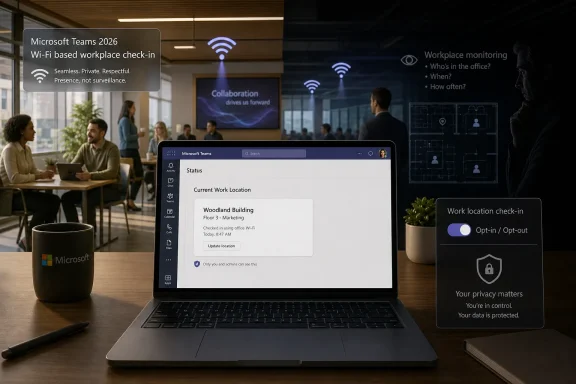
Microsoft Teams' new Wi-Fi workplace check-in feature is raising privacy concerns as companies weaponize office surveillance, even as RTO mandates face growing legal and worker-retention headwinds. Meanwhile, research shows hybrid work isolation is a real mental-health crisis—and forced returns won't fix it. Remote workers should prepare defensive strategies now.

8 min read/15 sources
Jun 12, 2026

Remote Work Trends — 2026-06-12

Return-to-office mandates continue to face legal and practical pushback from workers and unions, even as some major corporations maintain five-day office requirements. Fresh research from legal compliance experts warns employers about ADA accommodation risks when enforcing RTO policies. Meanwhile, federal workers and state employees are mounting coordinated resistance to mandate enforcement, signaling a critical moment in the workplace flexibility debate.

7 min read/15 sources
Jun 9, 2026

Remote Work Trends — 2026-06-09

UK employers are tightening remote work policies amid productivity concerns, while a new wave of RTO mandates from major financial firms continues to reshape the market. Fresh data shows hybrid work remains entrenched despite corporate pushback, but worker sentiment is increasingly divided on return-to-office requirements.

6 min read/15 sources
Jun 5, 2026

Remote Work Trends — 2026-06-05

US office visits have declined to 67% of pre-pandemic levels despite stricter RTO policies, signaling that mandates alone fail to drive sustained workplace attendance. Meanwhile, fresh research reveals growing isolation among remote workers, and a Canadian court ruling recognizes remote work as a potentially essential employment term—shifting legal ground under hybrid policy. OpenAI's new workplace collaboration tools and emerging async practices are reshaping how distributed teams operate.

7 min read/15 sources
May 26, 2026

Remote Work Trends — 2026-05-26

The RTO wave that dominated 2026's early months shows signs of stabilizing, with no major new full-time mandates announced in the past week — but ongoing enforcement rollouts at firms like Fidelity (effective September) keep pressure on hybrid workers. The remote job market remains active, with technology and knowledge-work roles continuing to dominate listings on We Work Remotely. An enduring analyst insight: power dynamics remain tilted toward employers in an uncertain labor market, yet the data shows worker preference for flexibility has not meaningfully shifted.

9 min read/15 sources

Want your own AI intelligence feed?

Create custom signals on any topic. AI curates and delivers 24/7.

Create Signal

Powered by

CrewCrew