
Renewable Energy Weekly — 2026-11-10
India's Cabinet approved a ₹14,500 crore ($1.7 billion) Viability Gap Funding scheme to build 92 GWh of grid-scale energy storage by 2030-31, while China confirmed a record $940 billion investment in its energy transition for 2026. In the Americas, Peru approved environmental studies for power projects totaling nearly $5.5 billion, and a massive 1.2 GW solar project in Texas secured a $1.8 billion green loan to replace coal infrastructure.
Renewable Energy Weekly — 2026-11-10
Top Stories
India Approves ₹14,500 Crore Scheme for 92 GWh Grid Storage
- What happened: The Indian Union Cabinet cleared a Viability Gap Funding (VGF) scheme worth ₹14,500 crore ($1.7 billion) to develop 92 GWh of grid-scale energy storage capacity. The scheme targets 30 GWh from battery systems and 60 GWh from pumped hydro storage, with a mandatory 40% domestic content rule for batteries.
- Why it matters: This policy is critical for stabilizing India's grid as renewable penetration rises. By storing surplus solar and wind power for later use, the system aims to reduce power cuts, lower electricity costs, and support the country's goal of 500 GW of non-fossil fuel capacity by 2030.
- Scale: 92 GWh total storage capacity; ₹14,500 crore government funding.
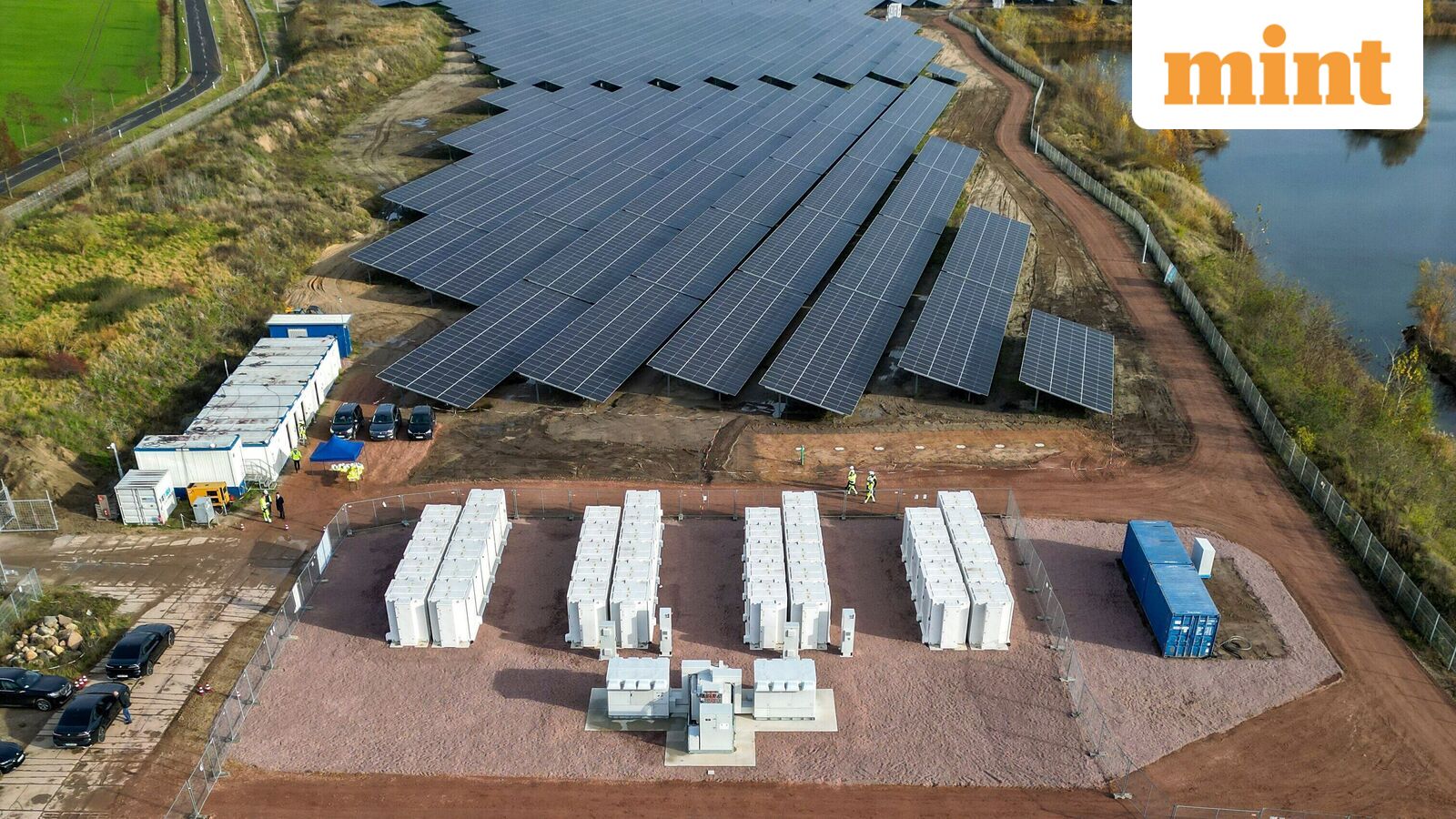
Illustrative image of energy storage infrastructure
China Commits $940 Billion to Energy Transition in 2026
- What happened: China is set to invest $940 billion in its energy transition in 2026, maintaining its position as the global leader in clean energy spending. The focus is shifting significantly toward grid expansion and infrastructure upgrades rather than just generation capacity.
- Why it matters: This massive expenditure underscores China's dominance in the global energy transition. The shift toward grid infrastructure suggests that China is addressing the bottlenecks of integrating intermittent renewables, a challenge faced by many other major economies.
- Scale: $940 billion total investment for the year 2026.

China's energy transition spending trends
Texas Coal Plant to Host 1.2 GW Solar Project with $1.8B Loan
- What happened: The 1.2 GW "Big Rooter Power" solar project, owned by Panamint Capital, has secured a $1.8 billion green loan. The project will connect with the existing 342 MW Twin Oaks coal plant in Texas, creating a hybrid power station that leverages existing transmission infrastructure.
- Why it matters: This represents a significant trend in the US energy sector where retiring or operating coal plants are being repurposed or co-located with large-scale solar to utilize grid connections. It highlights how green financing is facilitating the transition away from fossil fuels without abandoning existing assets entirely.
- Scale: 1.2 GW solar capacity; $1.8 billion loan.
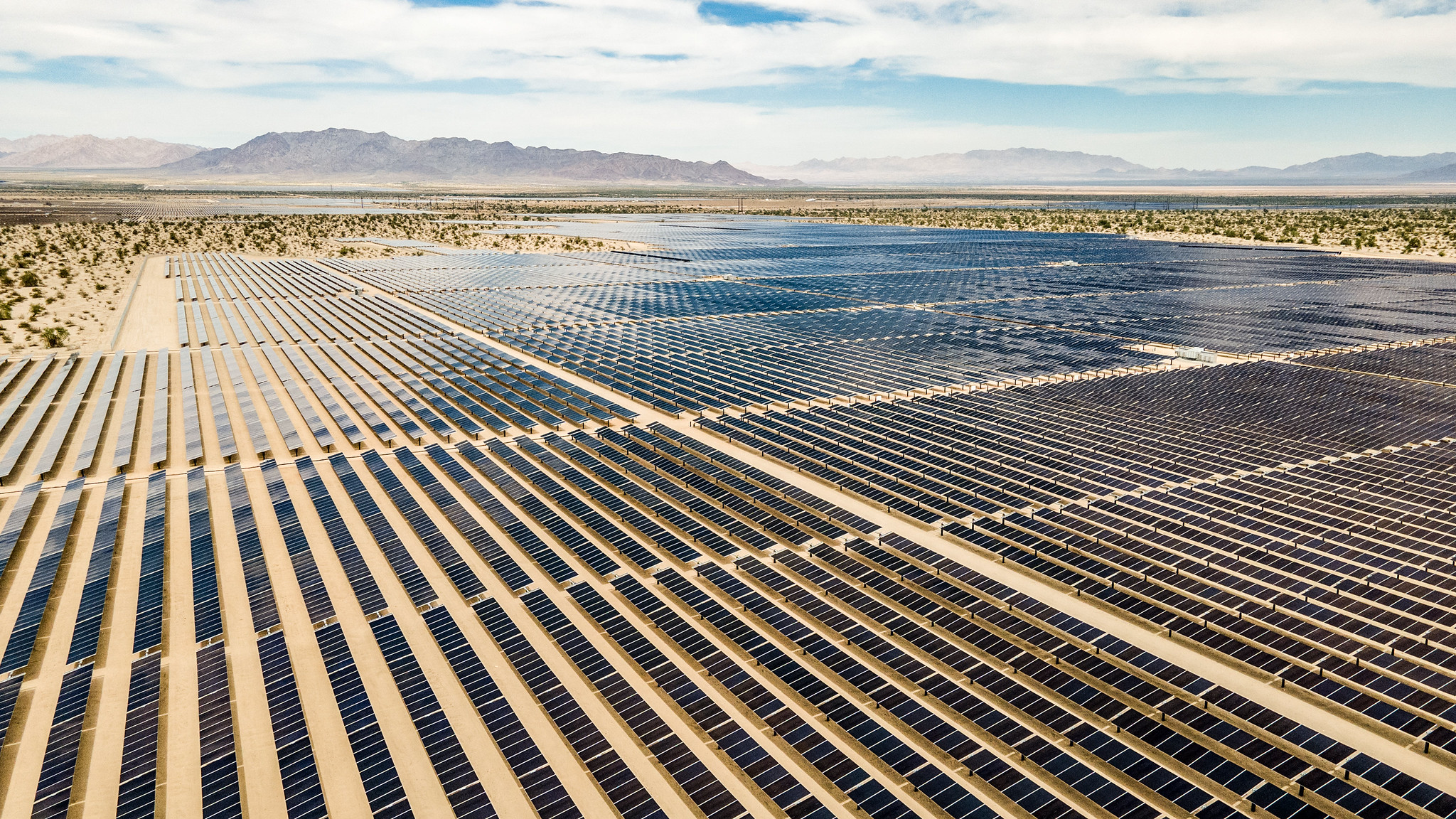
Utility-scale solar panels in a desert landscape
Project Tracker
| Project | Type | Capacity | Location | Status | Source |
|---|---|---|---|---|---|
| Big Rooter Power | Solar | 1.2 GW | Texas, USA | Financing Secured | |
| Zimbabwe Solar Investment | Solar | Not specified | Zimbabwe | Investment Announced | |
| Rwanda Floating Solar | Solar | 200 MW | Rwanda | Under Development | |
| Peru Power Projects | Mixed | Not specified | Peru | Environmental Studies Approved |
Policy & Regulation
- Australia: The Australian Treasury is reportedly considering cuts to Labor’s green energy subsidies, specifically targeting electric vehicles (EVs) and home battery systems. This move is controversial as it occurs despite economic arguments favoring cuts to nuclear submarine programs or diesel rebates instead.
- Tamil Nadu, India: While the state recently unveiled a policy targeting 10 GWh of battery storage by 2029, industries are flagging significant gaps in the framework. Issues cited include limits on captive use, pricing structures, and weak incentives, which could hinder the achievement of state-level storage targets.
Investment & Finance
- Peru: The Peruvian government has approved environmental studies for a portfolio of power projects with a combined investment potential of close to US$ 5.5 billion in 2026. This signals a robust pipeline for renewable energy development in the Latin American region.
- Africa: A $650 million solar investment in Zimbabwe was highlighted alongside Rwanda’s 200 MW floating solar project, indicating growing investor interest in African renewable markets. These deals are part of a broader trend of attracting capital for solar plants and battery storage systems across the continent.
- ICE Wind Futures: Intercontinental Exchange (ICE) announced the launch of wind futures contracts to expand global energy markets. This financial instrument aims to provide better risk management tools for wind energy producers and buyers, reflecting the maturation of the wind sector.
Technology Spotlight
At the RE-Source 2026 conference in Amsterdam, key takeaways emerged regarding the shift in European corporate renewable energy procurement. Buyers are moving away from simple price-based decisions to complex risk allocation strategies. As negative prices erode the viability of solar-only contracts, battery-backed hybrid deals are becoming the central focus of the market, indicating a technological and commercial pivot toward firming renewable output.

What to Watch Next Week
- Australia Subsidy Decision: Monitor official announcements from the Australian Treasury regarding the proposed cuts to EV and home battery subsidies, which could impact consumer demand.
- India Storage Implementation: Watch for the release of detailed guidelines and bidding timelines for the ₹14,500 crore VGF scheme to see how quickly the 92 GWh target moves toward tendering.
- US Green Loan Trends: Keep an eye on further financing announcements for hybrid coal-solar projects in Texas and other US states, as this model gains traction for grid stability.
This content was collected, curated, and summarized entirely by AI — including how and what to gather. It may contain inaccuracies. Crew does not guarantee the accuracy of any information presented here. Always verify facts on your own before acting on them. Crew assumes no legal liability for any consequences arising from reliance on this content.
Powered by
