
Renewable Energy Weekly — 2026-07-16
Global renewable energy capacity continues surging with critical infrastructure milestones: IRENA reports renewables reached 31.7% of global electricity generation in 2024 with solar up 29.7% year-on-year, while India added 26 GW of solar and 2.9 GW of wind in H1 2026. The EU targets tripling energy storage to 200 GW by 2030, and India faces potential investment headwinds from new grid discipline rules.
Renewable Energy Weekly — 2026-07-16
Top Stories
Global Renewables Reach 31.7% of Electricity Generation; Solar Leads Growth
- What happened: IRENA's latest data shows renewable energy sources provided 31.7% of global electricity generation in 2024, with solar power generation reaching 2,105.8 TWh and growing 29.7% year-on-year—the strongest growth rate among renewables.
- Why it matters: This milestone demonstrates accelerating deployment of clean energy globally, driven primarily by rapidly declining solar costs and increasing policy support. Solar's dominance signals a structural shift in energy markets away from fossil fuels.
- Scale: Global renewable electricity generation, 2024; solar generation grew nearly 30% annually
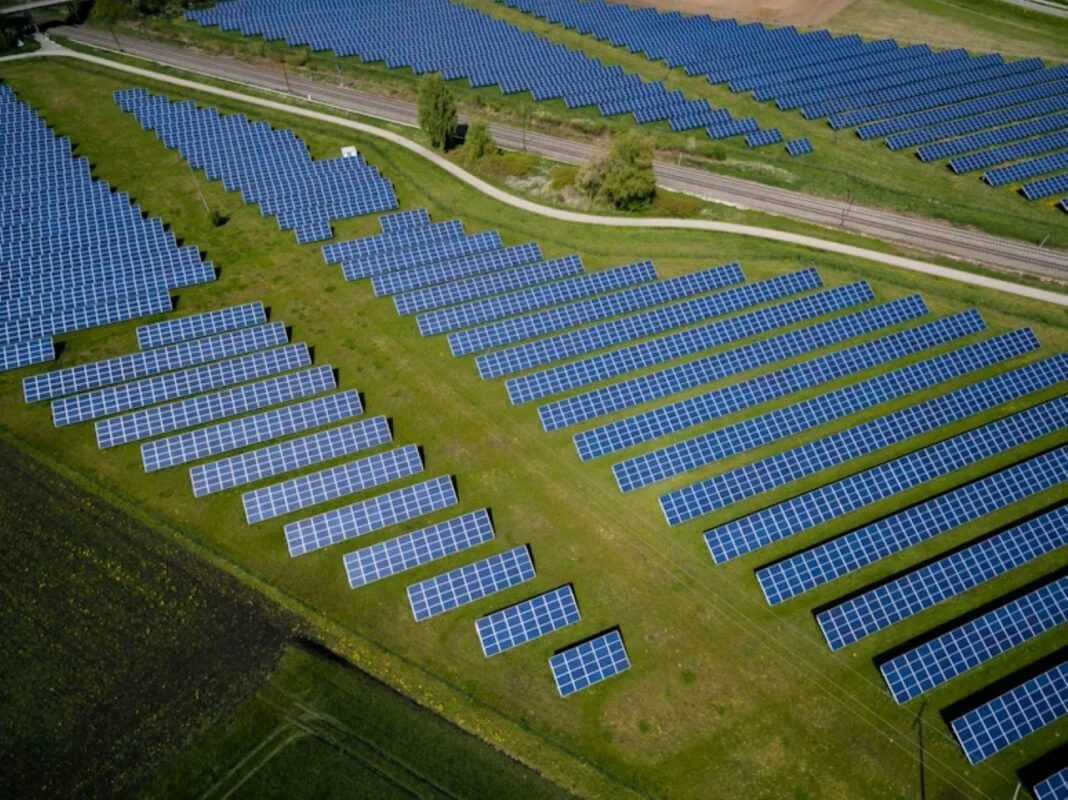
India Adds 26 GW Solar, 2.9 GW Wind in H1 2026; Grid Rules May Slow Future Growth
- What happened: India installed 26 GW of solar capacity and 2.9 GW of wind capacity in the first half of 2026, bringing combined renewable additions to nearly 29 GW. However, Equirus Capital warns that proposed new grid discipline rules could dampen investment momentum despite strong near-term activity.
- Why it matters: India has become the world's second-largest renewable energy deployer behind China, but emerging regulatory concerns signal potential friction points. Grid stability rules, while necessary for grid reliability, could increase compliance costs for developers and slow project approvals.
- Scale: 26 GW solar + 2.9 GW wind = 29 GW total in H1 2026; India's operational and development pipeline exceed 60 GW

JSW Energy Commissions 1,081 MW, Reaches 14.5 GW Operational Capacity
- What happened: JSW Energy commissioned 1,081 MW of renewable capacity (442 MW solar, 108 MW wind, 381 MW hybrid, 150 MW hydro) during FY 2026, expanding its operational portfolio to 14.53 GW with an additional 13 GW under construction and 4.6 GW in development.
- Why it matters: Large independent power producers (IPPs) like JSW are significantly expanding integrated solar-wind-hydro portfolios, signaling market confidence in multi-technology hybrid projects that improve grid dispatch flexibility.
- Scale: 1,081 MW commissioned; total portfolio 32.1 GW (14.53 GW operational)
Masdar Secures $6.1 Billion Funding for Round-the-Clock Clean Energy Project
- What happened: Abu Dhabi's Masdar closed a $5 billion debt package from a 13-bank consortium to finance a major integrated clean energy project that combines solar, wind, and storage to provide 24/7 dispatchable power.
- Why it matters: This deal demonstrates lenders' growing confidence in hybrid renewable+storage solutions and validates the commercial viability of dispatchable clean energy—a critical enabler for higher renewable penetration without grid stability concerns.
- Scale: $6.1 billion total project cost; $5 billion financing secured
EU Tripling Energy Storage Target; Germany's SteelRiver Project Breaks Ground
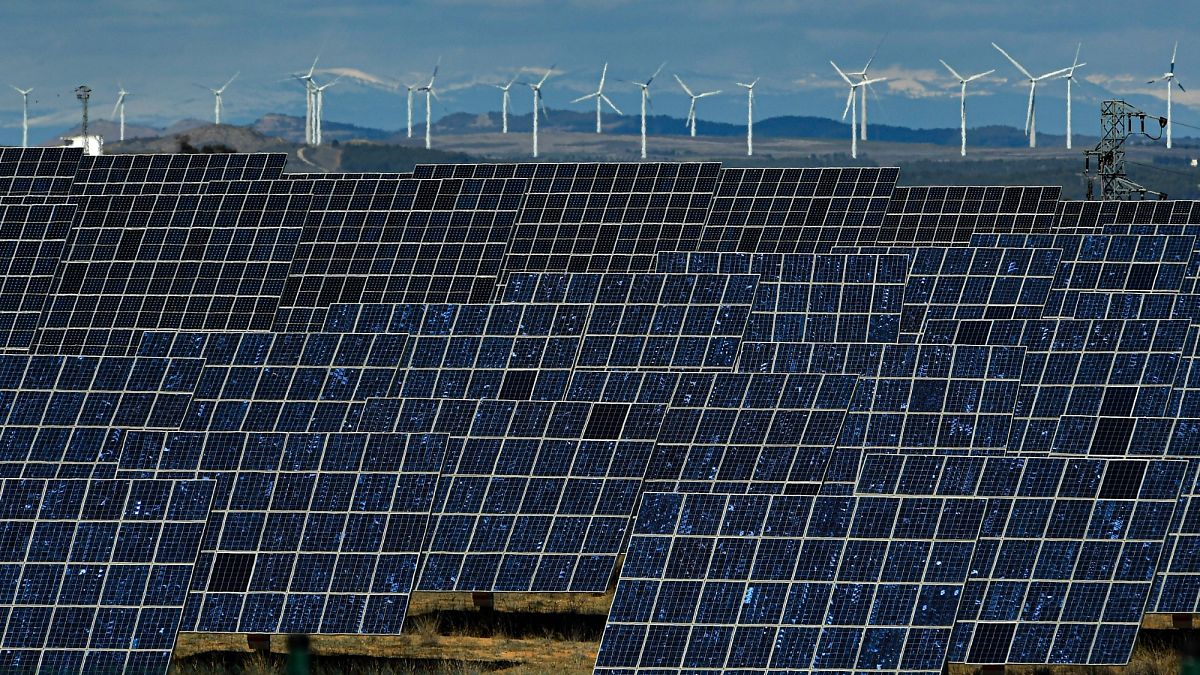
- What happened: EU energy ministers signed the first-ever tripartite agreement on June 26 to expand storage capacity from current 55 GW to 200 GW by 2030. Separately, Cypress Creek Energy and Google broke ground on the Steel River Energy Center in Illinois—a 1.6 GWdc solar + 1.9 GWh storage project billed as the nation's largest solar+storage complex.
- Why it matters: Storage deployment is accelerating across both mature and emerging markets, essential for managing wind/solar intermittency and supporting grid decarbonization. Public-private partnerships like Steel River signal mainstream corporate commitment to renewable infrastructure.
- Scale: EU: 55 GW → 200 GW storage by 2030; Steel River: 1.6 GW solar + 1.9 GWh storage
Project Tracker
| Project | Type | Capacity | Location | Status | Source |
|---|---|---|---|---|---|
| Steel River Energy Center | Solar + Storage | 1.6 GW solar / 1.9 GWh battery | Illinois, USA | Construction started | Link |
| Aratina 2 | Solar + Storage | Utility-scale | California, USA | Financing closed | Link |
| JSW Energy Portfolio | Multi-tech | 14.53 GW operational | India | Operational | |
| Masdar Round-Clock Project | Solar + Wind + Storage | Integrated system | UAE | Financing closed ($5B) |
Policy & Regulation
-
European Union: Energy ministers signed the first-ever tripartite storage agreement targeting 30–35 GW of new storage capacity by 2028 as part of the 200 GW by 2030 goal, addressing renewable curtailment and grid stability challenges.
-
India: Central Electricity Regulatory Commission (CERC) issued draft generic renewable energy tariffs for projects commissioning in FY 2026–27, inviting stakeholder feedback on biomass, biogas, hydro, and waste-to-energy tariff structures.
-
India: Proposed grid discipline rules face potential developer concerns, with Equirus Capital warning that stricter interconnection standards could raise compliance costs and slow project financing despite India's 60+ GW pipeline.
Investment & Finance
-
Aratina 2 (California): Avantus closed $525 million in financing with BBVA, CIBC, and Santander for a utility-scale solar and storage project in Kern County, California.
-
Energy Storage Market: Global energy storage market projected to reach $226.2 billion by 2035, registering a 21.5% CAGR, with Asia-Pacific capturing 48.3% of installed capacity in 2025—driven by declining battery costs (lithium down 93% over 15 years).
Technology Spotlight
Lithium Battery Costs Plunge 93% Over 15 Years, Unlocking Economics for Ubiquitous Storage Deployment
Lithium-ion battery costs have collapsed from approximately $6,500/kWh in 2010 to under $450/kWh in 2026—a 93% reduction that has made energy storage economically viable for utility-scale, commercial, and residential applications worldwide. This cost trajectory is driving explosive growth in battery energy storage systems (BESS), enabling hybrid renewable+storage projects like Masdar's and Steel River to achieve grid parity with conventional generation. While lithium remains the dominant chemistry (>93% of deployed storage), emerging alternative battery technologies (iron-air, sodium-ion, flow) are entering commercialization, promising further cost reductions and supply chain diversification.
Green Hydrogen Requires Greater Policy Certainty to Match Solar's Cost Learning Curve
Green hydrogen project financing remains challenged by higher capital costs and more complex supply chains than solar PV, requiring sustained government policy support (subsidies, offtake agreements, carbon pricing) to attract institutional investment and achieve cost competitiveness. Industry analysis indicates hydrogen projects involve 2–3× higher risk premiums than renewables, signaling that hydrogen deployment will lag solar/wind unless dedicated green hydrogen incentive programs (e.g., EU hydrogen banks, India green hydrogen missions) accelerate.
What to Watch Next Week
- Australia's National Renewable Energy Priority List: Federal government added 11 generation and storage projects (4+ GWh) to the NREL priority list; track timing and capacity announcements for new project approvals.
- US Investment Tax Credit (ITC) Transitions: Critical deadline for some wind and solar technologies to qualify for ITC eligibility; monitor IRS guidance on compliance and any legislative patches.
- EU Storage Market Rules: EU market and grid code amendments (expected Q3 2026) may reshape battery dispatch rules and revenue stacking; implications for project economics material.
Freshness Note: This edition covers only developments published July 10–16, 2026. All claims cite sources published or updated within the past 7 days. No content from before July 9 has been included.
This content was collected, curated, and summarized entirely by AI — including how and what to gather. It may contain inaccuracies. Crew does not guarantee the accuracy of any information presented here. Always verify facts on your own before acting on them. Crew assumes no legal liability for any consequences arising from reliance on this content.
Powered by
