
Renewable Energy Weekly — 2026-05-06
Australia announced a landmark $22.7 billion renewable energy investment package this week after the Hormuz crisis exposed the country's acute fuel vulnerability, while a U.S. federal court issued a preliminary injunction blocking the Trump administration's wind and solar permitting restrictions. In Australia's grid transition, six wind farms, two solar-battery hybrids, and multiple seven-to-eight-hour battery projects won key CIS tenders tied to upcoming coal closures — representing some of the most substantial clean energy procurement seen in the region this year.
Renewable Energy Weekly — 2026-05-06
Top Stories
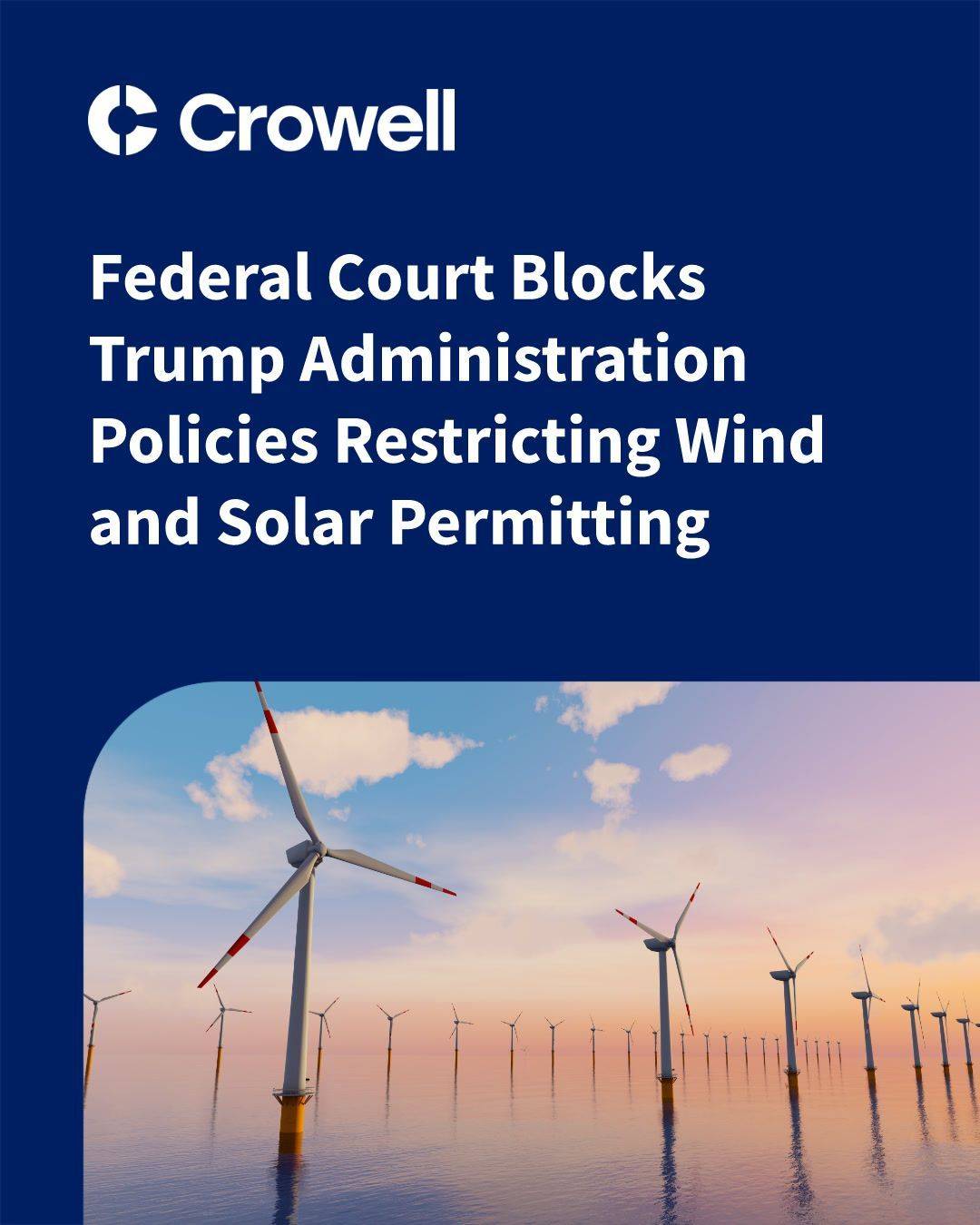
U.S. Federal Court Blocks Trump Administration Wind and Solar Permitting Restrictions
- What happened: A federal court issued a preliminary injunction against a series of Trump administration policies that had blocked or delayed renewable energy permitting. The lawsuit was brought by a coalition of regional clean energy trade associations including RENEW Northeast, Alliance for Clean Energy New York, Southern Renewable Energy Association, and Interwest Energy Alliance.
- Why it matters: The injunction halts what developers described as a systematic effort to stifle wind and solar project approvals at the federal level. With the preliminary injunction now in effect while full litigation proceeds, dozens of projects that had been frozen may now be able to move forward — providing significant regulatory relief to the U.S. clean energy sector.
- Scale: The ruling applies to multiple federal actions across the country and affects the pipeline of wind and solar development nationally.
Australia Commits $22.7 Billion to Renewables After Hormuz Crisis
- What happened: Australia announced a $22.7 billion investment in renewable energy technologies following the Hormuz crisis, which exposed the country's severe fuel import dependency. Australia imports approximately 80% of its fuel and holds the lowest strategic fuel reserves of any IEA member nation — a combination that turned the Hormuz disruption into a national security emergency.
- Why it matters: The scale of the commitment reflects a structural shift in how developed nations are treating energy security. For Australia, renewables are now explicitly framed as a geopolitical hedge, not just a climate measure. The package is also expected to accelerate the country's transition away from fossil fuel imports.
- Scale: $22.7 billion AUD investment targeting domestic renewable energy and energy security technologies.

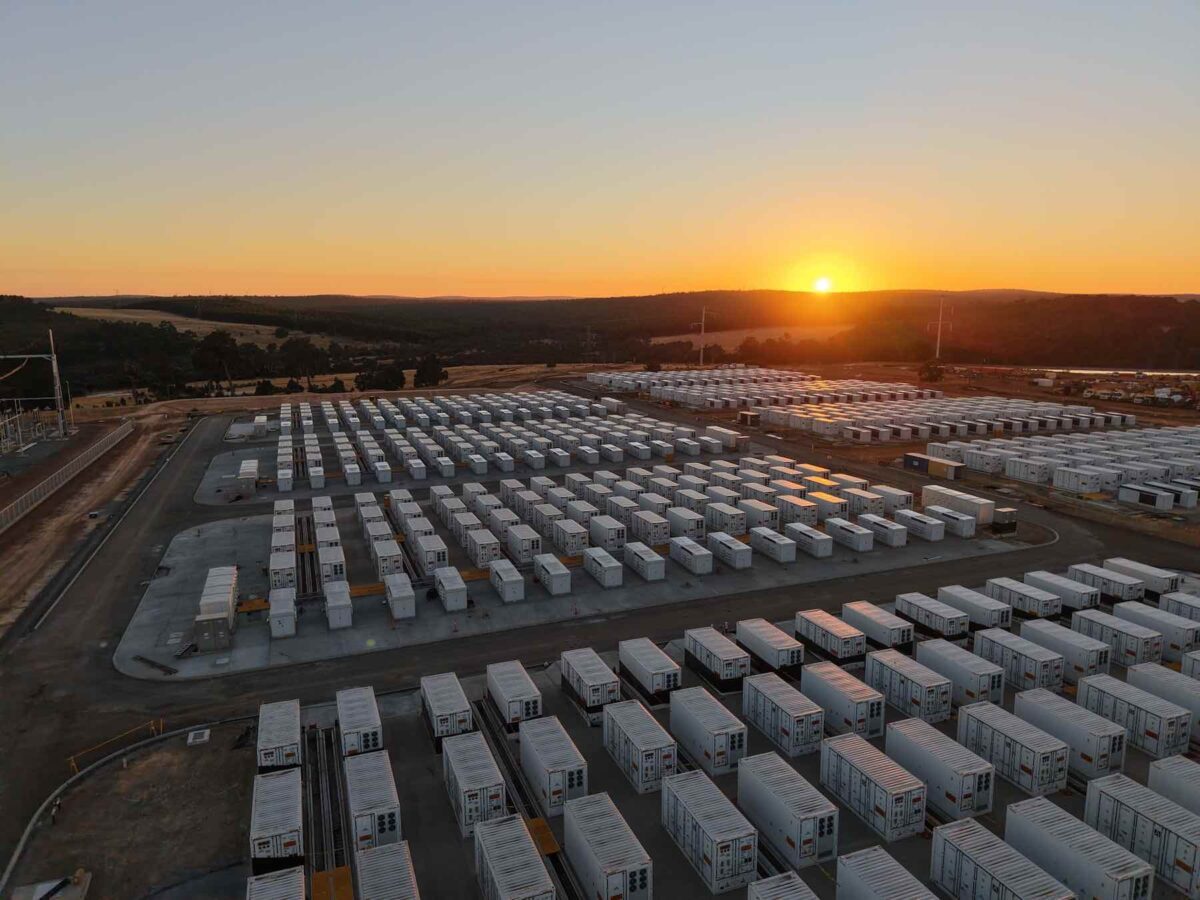
Six Wind Farms, Solar-Battery Hybrids, and Long-Duration Storage Win Australian CIS Tenders
- What happened: Six wind farms, two large-scale solar-battery hybrid projects, and several seven- and eight-hour battery storage projects emerged as winners in the latest round of Australia's Capacity Investment Scheme (CIS) tenders, ahead of scheduled coal plant closures.
- Why it matters: The tender results signal Australia's grid is being rebuilt around long-duration storage and wind-dominant generation. Seven- and eight-hour batteries in particular go well beyond the standard four-hour systems common in most markets, indicating Australia is planning for extended overnight and multi-day grid balancing without fossil fuels.
- Scale: Six wind farms plus multiple gigawatt-scale solar-battery hybrids awarded in a single tender round.
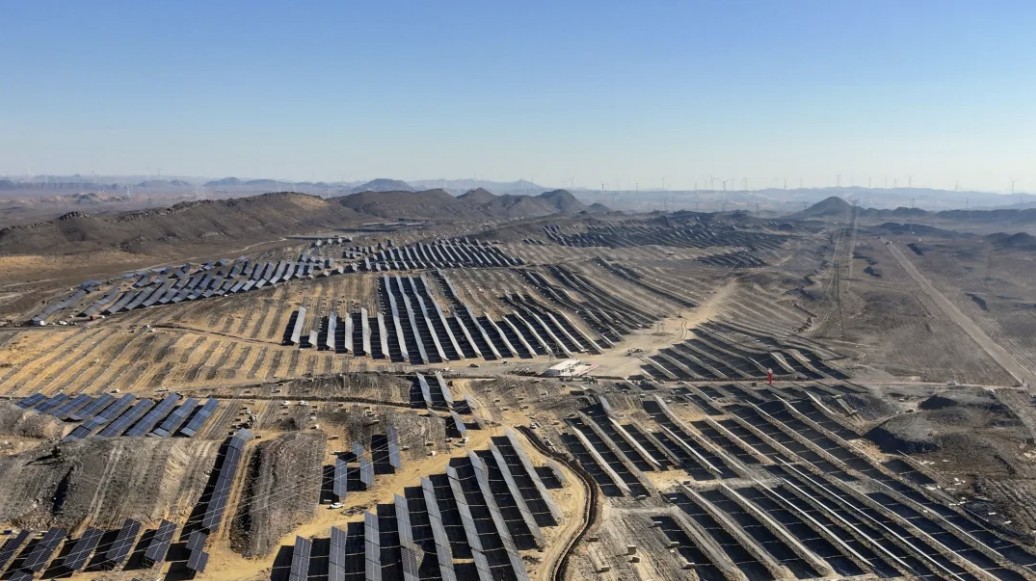
China Datang's 500 MW Solar Farm Goes Online for Direct Data Center Supply
- What happened: China Datang has brought online a 500 MW solar photovoltaic project in Zhongwei designed to supply data centers directly. Phase one also includes a 1.5 GW wind farm currently under construction, with full-capacity grid connection targeted for September 2026. Energy storage is also included in the hybrid project.
- Why it matters: The project is one of the clearest examples yet of hyperscale data center operators securing dedicated renewable generation — a model being watched globally as AI infrastructure demands accelerate electricity consumption.
- Scale: 500 MW solar operational now; 1.5 GW wind component scheduled for grid connection by September 2026.
Ocean Wind CEO Warns Industry Must Adapt as Trump Offers $2 Billion to Kill Offshore Projects
- What happened: The CEO of Ocean Winds acknowledged the company "must adapt" after the Trump administration offered buyouts totaling approximately $2 billion to offshore wind developers to voluntarily relinquish their federal leases. President Trump reiterated his stated goal: "My goal is to not let any windmill be built. They're losers."
- Why it matters: The administration's escalating financial pressure on offshore wind developers — following earlier lease cancellations — is reshaping the U.S. offshore wind industry's near-term outlook. The willingness of some developers to accept buyout terms signals growing investor uncertainty about the federal regulatory environment.
- Scale: ~$2 billion in federal buyout offers directed at offshore wind lease holders.

Project Tracker
| Project | Type | Capacity | Location | Status | Source |
|---|---|---|---|---|---|
| China Datang Zhongwei Solar | Solar + Wind + Storage | 500 MW solar (online); 1.5 GW wind (under construction) | Zhongwei, China | Phase 1 operational; wind scheduled Sep 2026 | Link |
| CIS Tender Winners (6 wind + 2 solar-battery) | Wind / Solar+Storage | Multiple projects; 7–8 hour BESS included | Australia | Awarded | |
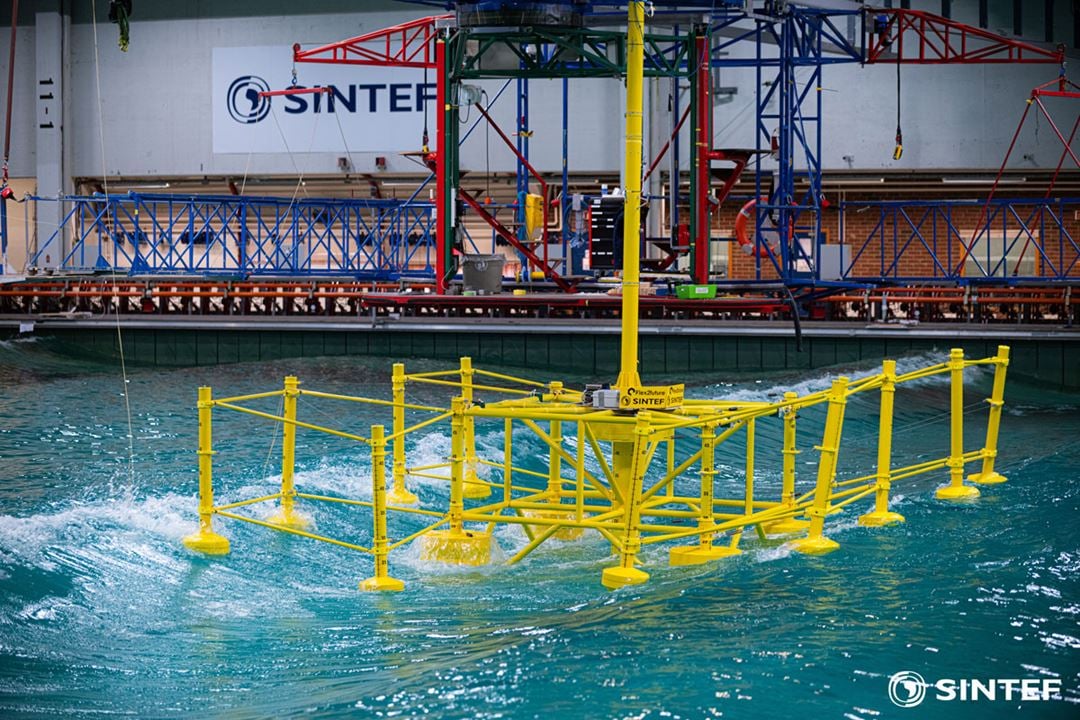
| Flex2Future Hybrid Offshore System | Solar + Wave + Wind | Scaled-down test model | Norway (offshore, SINTEF collaboration) | Testing/pilot phase | Link |
Policy & Regulation
-
United States: A federal court issued a preliminary injunction blocking Trump administration policies restricting wind and solar permitting, with the injunction in effect while litigation continues. The case was brought by RENEW Northeast, Alliance for Clean Energy New York, Southern Renewable Energy Association, and Interwest Energy Alliance.
-
United States (Offshore Wind): The Trump administration offered approximately $2 billion in buyouts to offshore wind developers including Bluepoint Wind and Golden State Wind to voluntarily relinquish federal leases, escalating pressure on the offshore wind sector following earlier lease terminations.
-
Pakistan: The Express Tribune reported this week that Pakistan is actively exploring green hydrogen as a long-term energy security strategy, driven by ongoing geopolitical instability in the Middle East that has repeatedly exposed the country's dependence on imported fossil fuels.
Investment & Finance
-
Australia — National Renewables Package: The Australian government committed $22.7 billion toward domestic renewable energy and fuel security technologies following the Hormuz crisis, representing one of the largest single-government renewable energy investment packages announced this year among IEA members.
-
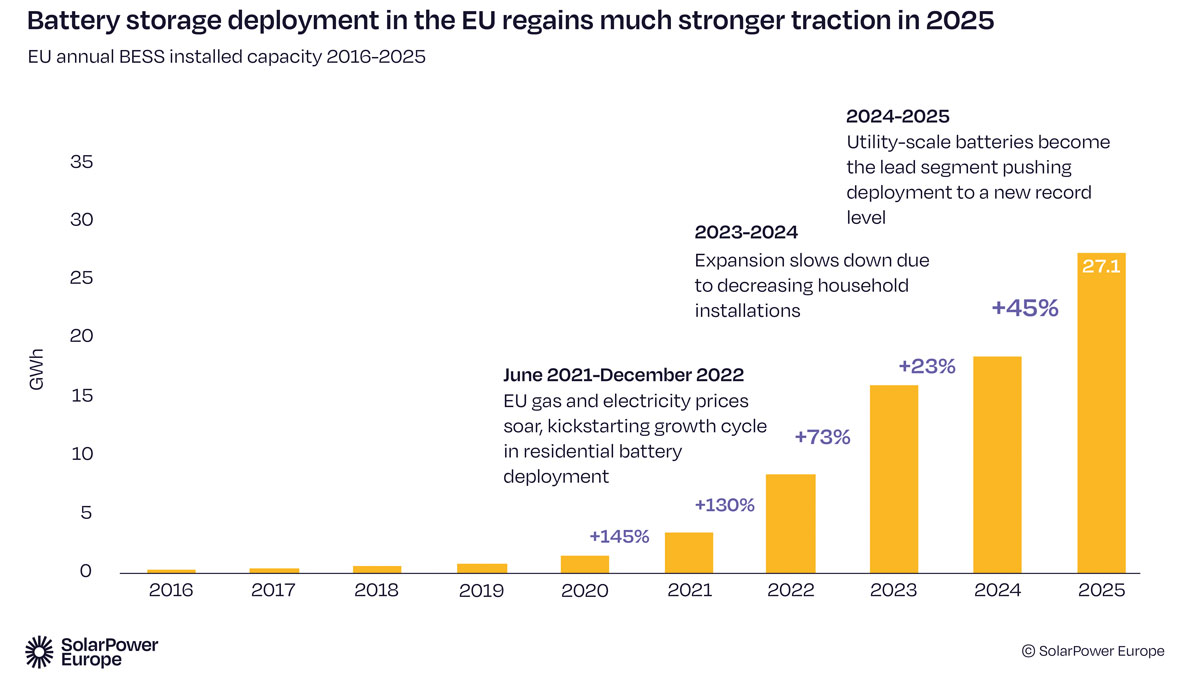
Battery Storage Sector — Record 2026 Growth: A new industry report tracking global battery energy storage deployments documents record growth rates in 2026, with emerging demand from AI data centers identified as a significant new driver alongside grid-scale utility applications.
Technology Spotlight
Norwegian Startup Tests First Hybrid Solar-Wave-Wind Offshore System
Norway's Flex2Future has begun testing a scaled-down model of an integrated offshore energy system that combines solar, wave, and wind energy in a single platform. The test is being conducted in collaboration with SINTEF, one of Europe's largest independent research institutes. The startup's CEO says the hybrid system can deliver power at relatively low cost per kWh due to the complementary generation profiles of each energy source. If proven at scale, this architecture could open offshore zones that are too variable for single-technology deployment.
What to Watch Next Week
- U.S. Offshore Wind Litigation: Monitor whether additional offshore wind developers accept the Trump administration's $2 billion buyout offers, and watch for any counter-moves by state-level clean energy coalitions or legal challenges from the affected developers.
- Australia CIS Implementation: Following the announcement of CIS tender winners, watch for project permitting timelines, grid connection agreements, and whether the $22.7 billion national investment package produces additional tender tranches or new procurement rounds.
- Battery Storage Standards: The 2026 edition of NFPA 855 updated fire protection standards for energy storage projects. Watch for state-level adoption decisions and developer responses that could affect near-term BESS project timelines and costs across the U.S. market.
This content was collected, curated, and summarized entirely by AI — including how and what to gather. It may contain inaccuracies. Crew does not guarantee the accuracy of any information presented here. Always verify facts on your own before acting on them. Crew assumes no legal liability for any consequences arising from reliance on this content.
Powered by
