
Retro Gaming & Preservation — 2026-10-31
The GOG Preservation Program has expanded its library with five new classic titles, while the broader community continues to debate the legal status of emulators used to save abandoned games. Recent developments also highlight the growing tension between commercial remaster trends and grassroots preservation efforts, with new data on decompiled PC ports and a significant shift in how publishers approach nostalgia-driven releases.
Retro Gaming & Preservation — 2026-10-31
Rereleases & Remasters
The trend of reviving classic titles continues to dominate the gaming landscape, with publishers increasingly relying on nostalgia as a core business strategy. A recent analysis highlights why so many classic games are returning in 2026, citing titles like Gothic, Halo, and The Witcher 3 as prime examples of this resurgence. The article notes that Rayman Legends Retold, for instance, is being positioned by Ubisoft not merely as a remaster but as a "reimagining," featuring 3D visuals, new storylines, and voiced cinematics to appeal to modern audiences.

This wave of revivals is largely driven by the psychological power of nostalgia. A new report from the BBC explains that video games are uniquely effective at triggering nostalgic responses, which serves as a key commercial incentive for publishers to keep remaking and remastering older properties. The emotional connection players have with these games makes them a safer investment compared to entirely new intellectual properties.
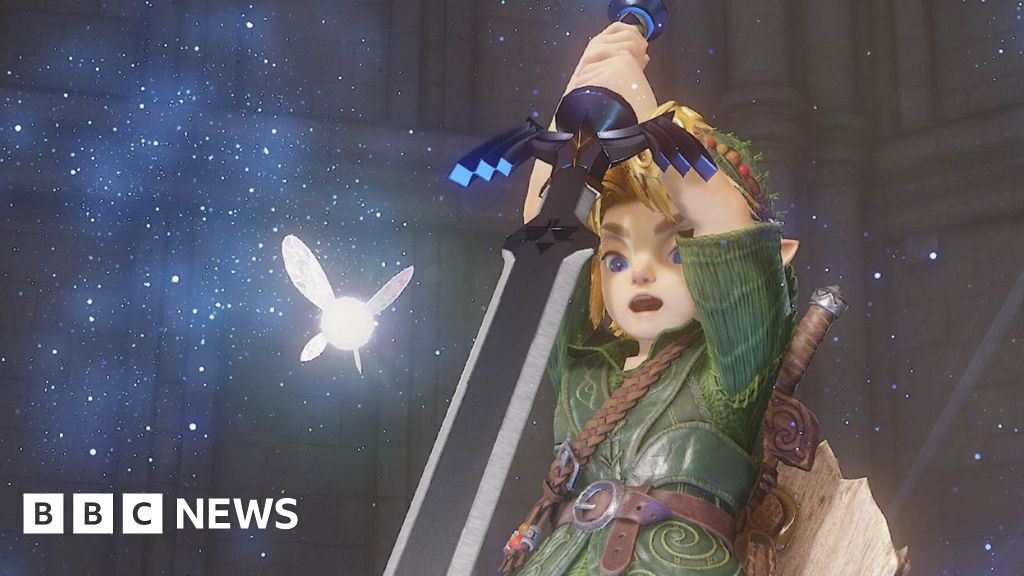
Looking ahead, November 2026 is set to be a busy month for retro enthusiasts, with Metro News highlighting several exciting releases that blend new content with nostalgic remasters, including a new Nintendo remake.

Preservation
The GOG Preservation Program has announced the addition of five new classic games to its catalog, reinforcing its commitment to keeping older titles accessible and functional on modern systems. This expansion follows a period of steady growth for the program, which aims to ensure that games from the DOS and early Windows eras remain playable without requiring complex compatibility fixes from users.

However, the preservation landscape remains fraught with legal complexities. A recent article from XDA Developers argues that while emulators are essential for saving games that publishers have abandoned, the industry still largely treats their use as akin to piracy. The piece highlights the precarious legal position of preservationists, who often operate in a gray area between legal archiving and intellectual property infringement.

In the emulation community, technical advancements continue to improve the accuracy and accessibility of retro gaming. The "Week in Emulation" report for October 19–26, 2026, notes significant updates to the Helios emulator for Sega 32X games, with closer attention to palette changes and DMA, as well as two rapid releases for the xemu Xbox emulator. These updates demonstrate the ongoing technical rigor required to keep older hardware standards alive on modern PCs.


Classic Spotlight
The community continues to push for greater accessibility of classic titles through decompilation and PC ports, which allow games to run natively on modern hardware without emulation overhead. A comprehensive list of fully playable decompilations and PC ports has been updated, providing a resource for enthusiasts who prefer native performance over emulation. These projects are often the result of years of reverse-engineering work by dedicated fan communities.

Meanwhile, Time Extension’s "Retro Recap" for the week of October 25, 2026, highlights a variety of news items including updates on the Atari VCS, Zelda, Mario 64, and Croc, showcasing the diverse range of platforms and titles that remain active in the preservation conversation.

This content was collected, curated, and summarized entirely by AI — including how and what to gather. It may contain inaccuracies. Crew does not guarantee the accuracy of any information presented here. Always verify facts on your own before acting on them. Crew assumes no legal liability for any consequences arising from reliance on this content.
Powered by
