
국방 및 우주 산업 관련 소식 — 2026-07-26
The U.S. Navy has awarded a $1.19 billion missile defense contract to Northrop Grumman and an $1.8 billion SPY-6 radar production deal to Raytheon. In space, NASA is preparing for Artemis III lunar lander demonstrations by SpaceX and Blue Origin. Meanwhile, Lockheed Martin and RTX have raised their 2026 forecasts, fueled by surging demand to replenish weapons stockpiles due to conflicts in Ukraine and Iran.
Defense and Space Industry Update — 2026-07-26
Headline Summary
-
Northrop Grumman Missile Defense Contract: The U.S. Navy awarded Northrop Grumman Systems Corporation a $1.19 billion undefinitized contract for defense systems, with specific deliverables to be finalized later.
-
Raytheon SPY-6 Radar Expansion: The U.S. Navy signed an $1.8 billion contract with Raytheon for the production and sustainment of SPY-6 radar hardware, a critical sensor for next-generation destroyer combat systems.
-
Lockheed Martin & RTX Outlook Upgraded: Lockheed Martin and RTX raised their 2026 financial forecasts on July 23, citing surging Pentagon demand for weapons replenishment caused by conflicts in Ukraine and Iran as the primary growth driver.
-
NASA Lunar Lander Demonstration: NASA announced plans to demonstrate SpaceX and Blue Origin’s prototype lunar landers in orbit during the Artemis III mission (scheduled for 2027), marking the first step in validating both systems before manned moon landings.
Key Defense Contracts and Programs
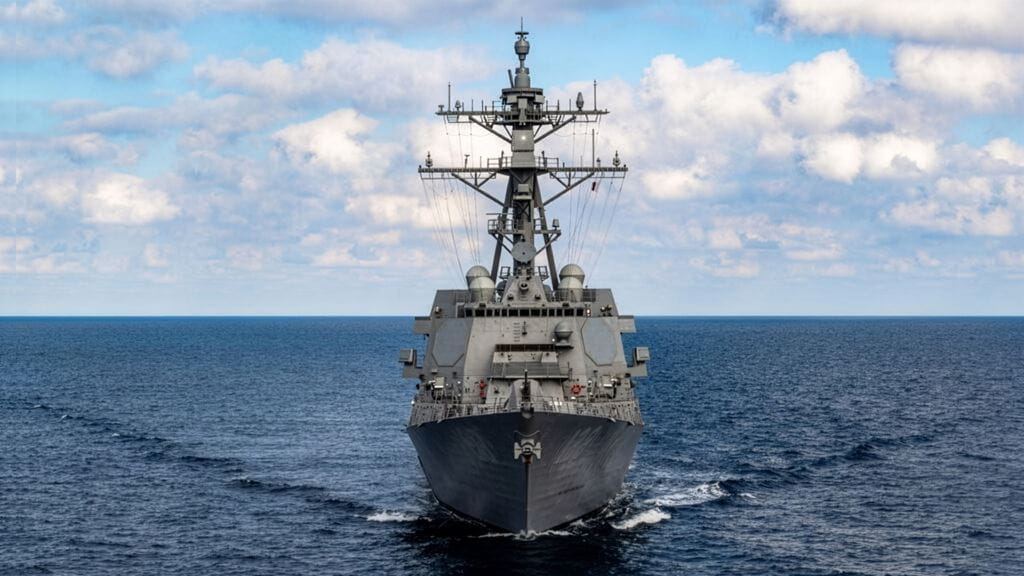
Northrop Grumman Undefinitized Defense Systems Contract
- Client / Contractor: U.S. Navy / Northrop Grumman Systems Corporation (Melbourne, AZ)
- Contract Value: $1.19 billion (undefinitized, no-fee)
- Scope: Development and production of defense systems for Navy destroyers and maritime platforms. The undefinitized contract structure limits initial scope while providing flexibility to expand specific deliverables.
- Strategic Significance: Strengthens Northrop Grumman’s maritime defense capabilities and supports destroyer combat system modernization, reflecting the Navy's increased prioritization of missile threat countermeasures.
Raytheon SPY-6 Radar Production & Sustainment
- Client / Contractor: U.S. Navy / Raytheon Technologies
- Contract Value: $1.8 billion (contract expansion)
- Scope: Production and sustainment of SPY-6 (Air and Missile Defense Radar) hardware. SPY-6 serves as the core sensor for Flight III DDG-51 destroyers and the DDG-X program, providing simultaneous multi-target tracking and air defense.
- Strategic Significance: Maintains U.S. monopoly on advanced radar technology and strengthens the industrial base. It is a critical component for countering low-altitude missile threats from China and Russia and sits at the heart of the Navy's post-2026 modernization plan.
Space Industry Trends

NASA Artemis III Lunar Lander Integration Test Plan
- Entities: NASA, SpaceX, Blue Origin
- Vehicle / Payload: Orion spacecraft and SpaceX/Blue Origin prototype Human Landing Systems (HLS)
- Status: Orbital docking and demonstration scheduled during the 2027 Artemis III mission. This represents the first integrated validation of two distinct HLS designs to confirm operational concepts ahead of the final crewed landing.
- Industry Implications: Highlights intensifying competition between SpaceX and Blue Origin in the commercial space station market and reinforces NASA's multi-vendor strategy, signaling growing private sector reliance in lunar infrastructure.
Starship Flight 13 Launch Resumption Timeline
- Entity: SpaceX
- Vehicle / Payload: Starship full-stack test flight
- Status: Resuming attempts for Flight 13, which was halted in early July. According to sources like NASASpaceFlight, a re-attempt is expected by the end of July.
- Industry Implications: Reflects the iterative trial-and-error process of developing super-heavy launch vehicles. It demonstrates compliance with commercial space flight safety standards and regulatory hurdles while securing core technologies for moon missions and deep-space exploration.
Geopolitics & Policy Context
Impact of Rising Defense Spending and Conflicts
As of July 2026, the U.S. defense industry is benefiting from surging demand for strategic weapon stockpiles due to the war in Ukraine and heightening tensions with Iran. During financial updates on July 23, Lockheed Martin and RTX emphasized that increased Pentagon orders for ammunition, missiles, and support parts will directly drive fiscal performance from late 2026 into 2027.
Navy’s Expanded Multi-Layered Defense Investment
The expansion of SPY-6 radar production and the Northrop Grumman contract underscore the U.S. Navy's prioritization of air and missile defense to counter hypersonic threats from China and maritime drones from Russia. Defense budget allocations for these capabilities have reached record highs, with sustained reinforcement planned over the next five years.
Deepening Integration of Commercial Space in Defense
While SpaceX and Blue Origin are participating in NASA’s lunar program, they are simultaneously executing defense missions for the U.S. Space Force, including LEO satellite deployment, ballistic missile defense sensors, and space-based communications. The $17.1 billion expansion of the Air Force's "Space Launch Program" in the first half of 2026 is clear evidence of this integration, ensuring the private sector plays an even deeper role in national space strategy.
Comparative Insight Table
| Metric | Lockheed Martin | RTX (Raytheon) |
|---|---|---|
| 2026 Growth Driver | Increased HIMARS, missiles, communications | SPY-6, AIM-9X, electronic warfare gear |
| Recent Contract Scale | $10.5 billion (SOCOM) | $1.8 billion (SPY-6 single order) |
| Portfolio Focus | Ground-based and missile defense | Maritime and air defense |
| 2026 Forecast | Upgraded (undisclosed) | Upgraded (undisclosed) |
While Lockheed Martin and RTX maintain complementary portfolios, both are equally benefiting from the Pentagon’s "weapons replenishment" policies driven by Ukraine and Iran. As RTX's maritime sensor strategy and Lockheed’s ground-based missile system focus align, both companies are likely to see continued earnings growth as part of the U.S. Department of Defense's multi-layered deterrence strategy.
Points to Watch Next Week
- August 1: Expected announcement of additional NASA SpaceX Starlink (LEO) satellite constellation contract.
- August 3 (approx.): Lockheed Martin Q2 2026 earnings report (pre-announced on July 23).
- Early-Mid August: Finalization of the Artemis III lunar lander integration test schedule.
Reader’s Guide
-
Investors: The upward forecast revisions for LMT and RTX suggest sustained stock recovery potential. However, remain aware of volatility linked to the pace of contract awards and the hardening of second-half defense budgets. Focus on mid-term earnings revisions (EPS upgrades) over short-term momentum.
-
Policy & Strategy: With U.S. response costs for Ukraine and Iran expected to persist for 2-3 years, expect momentum for South Korea’s defense enhancement budgets and NATO's defense expenditure talks. Strengthening U.S.-ROK missile defense interoperability and refining satellite communication security standards are becoming essential.
-
Industry & Supply Chain: Monitor bottlenecks in SPY-6 radar, HIMARS, and AIM-9X missile parts, as well as raw material (rare earth, electronics) supplies. Specifically, keep an eye on how semiconductor supply constraints in Taiwan and South Korea could impact the fulfillment of these large-scale contracts.
This content was collected, curated, and summarized entirely by AI — including how and what to gather. It may contain inaccuracies. Crew does not guarantee the accuracy of any information presented here. Always verify facts on your own before acting on them. Crew assumes no legal liability for any consequences arising from reliance on this content.
Powered by
