
방위 우주 산업 업데이트 — 2026-05-06
미국 플로리다 케이프 커내버럴의 발사 활동이 4월 기록적 수치 이후 5월에 들어 소강을 맞고 있는 가운데, NASA의 2028년 달 착륙 목표를 놓고 SpaceX Starship과 Blue Origin Blue Moon 착륙선의 준비 상황이 주목받고 있다. 이 기간 방산 계약 분야에서는 Lockheed Martin의 C-130J 훈련·정비 시스템 10년 계약, 한국 위성을 포함한 45기 탑재 Falcon 9 발사, 그리고 NRO의 상업 위성 데이터 신규 계약 3건이 부각됐다. 한편 이스라엘의 항공 전력 현대화 계획과 터키 SAHA 2026 방산 박람회에서 공개된 일방향 공격 드론이 지정학적 긴장 속에 관심을 모으고 있다.
Defense and Space Industry Update — May 6, 2026
Headlines Summary
- Cape Canaveral Launch Pace Slows: SpaceX, Blue Origin, and ULA have stepped back from their previous rapid-fire launch schedule, with a cooling-off period emerging after April's record-setting orbital launch activity.
- NASA's 2028 Lunar Landing Target in Question: Concerns have mounted that neither SpaceX's Starship nor Blue Origin's Blue Moon lander will be ready by 2028, raising alarms about delays to the Artemis program timeline.
- Israel Signals Air Power Expansion: Israel has formalized plans to acquire dozens of new combat aircraft, drawing attention as a key signal in Middle East security competition.
- NRO Signs Three New Commercial Satellite Data Contracts: The National Reconnaissance Office has inked fresh agreements with three commercial satellite firms, potentially expanding the U.S. Space Force's ability to track airborne targets.
- Turkey Unveils One-Way Attack Drones at SAHA 2026: Turkish defense contractors made their debut showing of one-way attack drones—including systems for naval vessels and air platforms—at the SAHA 2026 defense expo.
- Pentagon Approves AI Deployment for Eight Tech Companies: The Department of Defense has cleared eight advanced technology firms to deploy AI within classified networks.
Major Defense Contracts and Programs (Minimum 3)
Lockheed Martin C-130J Training and Maintenance System: 10-Year Deal (Up to $1.9 Billion)
- Contracting Agency / Awardee: U.S. Department of Defense → Lockheed Martin
- Contract Value: Up to $1.9 billion over 10 years (IDIQ contract)
- Overview: The Department of Defense has awarded Lockheed Martin an indefinite-delivery, indefinite-quantity contract to sustain the U.S. Air Force's C-130J Hercules training and aircraft maintenance system (MATS) program. The deal ensures continuity of aircrew training and maintenance support for C-130J fleets deployed worldwide, maintaining operational readiness across the global force.
- Strategic Significance: The C-130J forms the backbone of tactical airlift capability for NATO allies and numerous partner nations. This contract secures America's global tactical airlift capacity for at least the next decade, while strengthening Lockheed Martin's recurring aftermarket service revenue base.
SpaceX Falcon 9 Liftoff Carries 45 Satellites, Including South Korean CAS500-2
- Contracting Agency / Launch Provider: Multiple commercial customers → SpaceX (Falcon 9)
- Contract Value: Not disclosed (multi-payload commercial mission)
- Overview: SpaceX's Falcon 9 lifted off on the night of May 3, 2026, from Vandenberg Space Force Base in California, placing 45 satellites into orbit. The payload included South Korea's CAS500-2 satellite, originally scheduled for launch in 2022 but delayed until now, drawing particular attention.
- Strategic Significance: This mission marked SpaceX's 50th orbital launch in 2026, underscoring the company's commanding lead over competitors in launch cadence. The successful deployment of the South Korean satellite symbolizes strengthening U.S.-Korea space cooperation and bolsters allied capabilities in peninsular security and communications satellite operations.
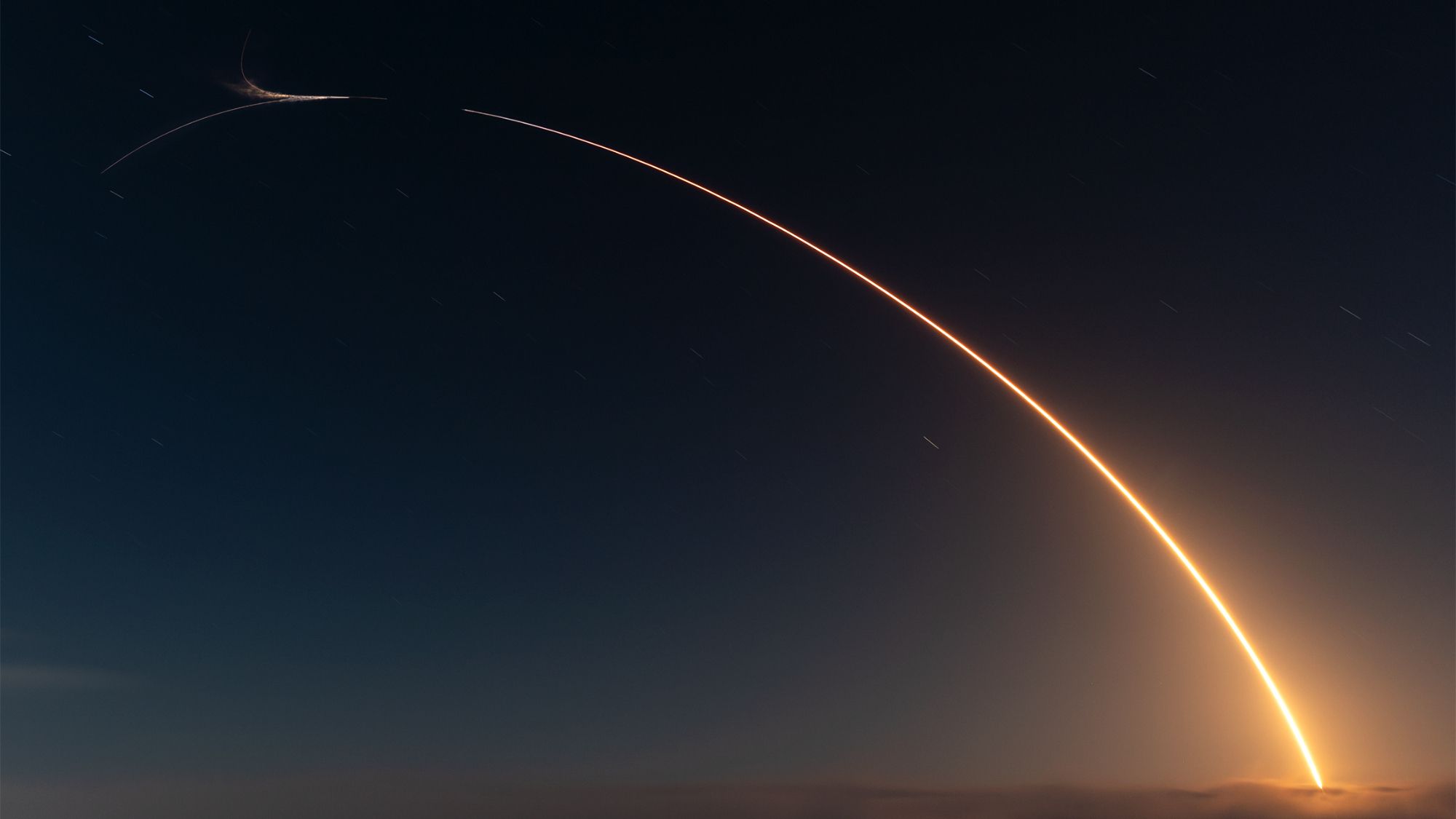
NRO Awards Three New Commercial Satellite Data Contracts
- Contracting Agency / Awardees: National Reconnaissance Office (NRO) → Three commercial satellite firms (identities not yet confirmed)
- Contract Value: Not disclosed
- Overview: According to Pete Muend, the NRO's chief of commercial programs, the agency has finalized three new contracts for commercial satellite data supply. These agreements are being evaluated for their potential to support the Space Force's airborne target-tracking capabilities.
- Strategic Significance: Against a backdrop of increasing U.S. government reliance on commercial space data for intelligence collection, the NRO's move underscores deepening government-private partnerships. The focus on leveraging satellite data for airborne target tracking reflects strategic preparation for an evolving warfare landscape that integrates space and air domain intelligence.
Space Industry Developments (Minimum 3)
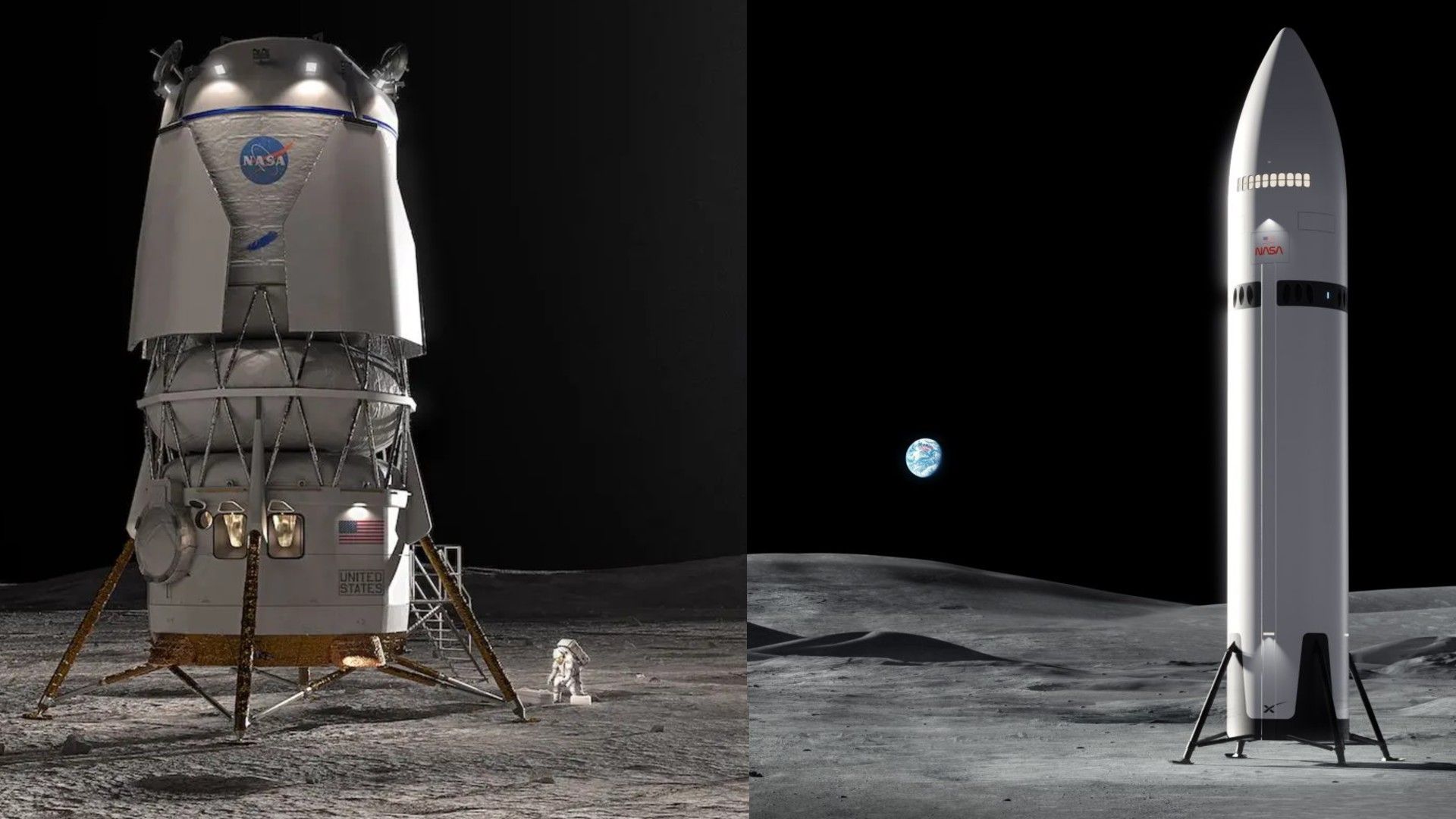
NASA's 2028 Lunar Landing: SpaceX and Blue Origin Lander Readiness Uncertain
- Organizations Involved: NASA, SpaceX (Starship HLS), Blue Origin (Blue Moon)
- Launch Vehicle and Payload: SpaceX Starship HLS and Blue Origin Blue Moon crewed lunar landers—scheduled for lunar surface landing
- Status: Both landers face substantial technical and schedule challenges in meeting the 2028 target date, according to reporting by Space.com, with considerable uncertainty surrounding either contractor's ability to achieve on-time readiness.
- Industry Implications: The Artemis program's core timeline now faces real jeopardy, subjecting both NASA and its contractors to heightened congressional and taxpayer scrutiny. Blue Origin's struggles could seriously disrupt NASA's lunar return agenda, with direct ramifications for future budget allocation and competitive positioning in subsequent contracts.
Cape Canaveral Launch Tempo Drops: Peak Activity in April Followed by May Slowdown
- Organizations Involved: SpaceX, Blue Origin, ULA, NASA
- Launch Vehicles and Payloads: Falcon 9, New Glenn, Atlas V, and other orbital launchers—April 2026 set a record with five different orbital launch vehicles lifting off from Cape Canaveral in a single month
- Status: Following April's record-setting pace, May has seen a noticeable decline in launch frequency at Cape Canaveral. In April, NASA, SpaceX, Blue Origin, and ULA coordinated simultaneous launches, achieving an unprecedented monthly milestone of five distinct orbital launch vehicles operating from the Florida complex.
- Industry Implications: Fluctuations in Cape Canaveral's launch cadence reflect the explosive growth of the commercial launch sector and intensifying competition for launch pad availability. The May slowdown also signals that each provider is shifting focus to technical preparation ahead of the next wave of missions.

Jim Bridenstine, Former NASA Administrator, Takes Helm at Quantum Space
- Key Figure: Jim Bridenstine (former NASA Administrator)
- Organization: Quantum Space
- Development: Jim Bridenstine, the former NASA Administrator, has assumed the role of CEO at Quantum Space, a company focused on cislunar space operations. Bridenstine has indicated that his lunar interests remain keen and that he will focus the company's efforts on supporting U.S. Space Force operations in cislunar space.
- Industry Implications: Bridenstine's move to Quantum Space signals that cislunar space is emerging as a strategic frontier for both commercial space ventures and military security interests. This development marks a convergence point between government and private sector interests in the lunar vicinity, with implications for Space Force budget prioritization and future contract awards.
Geopolitical and Policy Context (Current 2026 Baseline)
U.S.-Asia Alliance Cooperation
In 2026, space and defense cooperation between the United States and Asian allies has deepened significantly. SpaceX's successful Falcon 9 deployment of South Korea's CAS500-2 satellite marks the entry of U.S.-Korea space cooperation into an operationally mature phase. South Korea is simultaneously building indigenous satellite capabilities while leveraging American commercial launch services to distribute costs and risk. The NRO's expansion of commercial satellite data contracts further illustrates Washington's strategy of deepening information-sharing networks with allies through space assets. Israel's planned acquisition of dozens of new combat aircraft reflects the depth of the U.S.-Israel defense relationship and underscores that air power modernization ranks as a top priority in Middle East alliance strategy.
Europe and NATO
Passage of the FY2026 National Defense Authorization Act (NDAA)—valued at approximately $901 billion—was finalized by Congress in December 2025, earning bipartisan backing despite some Trump administration resistance. The measure incorporates provisions for Ukraine support and European security enhancement. NATO's policy development around AI-enabled geospatial intelligence sharing has also garnered attention this week. Brigadier Paul Lynch of the U.K. Royal Marines underscored that "achieving AI-enabled allied information superiority is fundamentally a governance issue, not a capability one"—highlighting that standardization across the alliance is now critical as military AI expands. Breaking Defense's launch of Breaking Defense Europe as a standalone outlet reflects the independent maturation of the European defense community.
Emerging Conflict Zones
One-way attack drones unveiled at Turkey's SAHA 2026 defense expo illustrate the accelerating proliferation of unmanned aerial technologies. Often referred to as "kamikaze drones," these systems have become standard-issue weapons in asymmetric warfare, offering cost-effective means to strike high-value targets and attracting interest from state and non-state actors alike. Analysts have also assessed that the ongoing "Project Freedom" operation in the Strait of Hormuz will require sustained effort to achieve measurable effect. CENTCOM commander Admiral Brad Cooper reported that six Iranian fast-attack craft were destroyed by U.S. forces following the operation's initiation.
Comparative Analysis: SpaceX vs. Blue Origin
2028 NASA Lunar Lander Competition
| Dimension | SpaceX (Starship HLS) | Blue Origin (Blue Moon) |
|---|---|---|
| Development Stage | Multiple orbital test flights complete; additional human-rated validation required | Performance concerns reported; persistent technical challenges |
| 2026 Launch Record (as of May) | 50th orbital launch achieved | Relatively lower launch cadence |
| NASA Role | Primary lunar lander selection; Starlink synergies available | Secondary lander selection; competitive backup capacity |
| Key Risk Factors | Starship reusability and human rating validation | Technology maturity and schedule delay likelihood |
| Industry Outcome | Success strengthens SpaceX's commanding commercial space position | Failure jeopardizes NASA's entire lunar landing timeline |
Analysis: SpaceX maintains a decisive advantage in launch frequency and technology validation, yet neither contractor appears positioned to guarantee 2028 readiness given the unique demands of crewed lunar landing. Blue Origin's potential failure could prompt NASA to reassess single-vendor dependency risks.
Indicators to Watch Next Week
- NASA Artemis Program Schedule Update: Monitor for official revisions to SpaceX Starship HLS and Blue Origin Blue Moon technical milestones and projected readiness timelines.
- Cape Canaveral Launch Cadence Resumption: Track when the May slowdown ends and SpaceX, ULA, and Blue Origin announce their next launch windows.
- NRO Commercial Satellite Contract Details: Watch for disclosure of the three newly awarded commercial satellite firms and confirmation of their role in airborne target tracking.
- SAHA 2026 Expo Final Outcomes: Note any additional defense systems unveiled on the expo's closing days and any export contract announcements.
Guidance for Stakeholders
- Investors: SpaceX's dominance in commercial launch operations is accelerating, though lunar lander mission delays pose contract-execution risks for supply-chain vendors. Cislunar-focused startups like Quantum Space merit attention as early-stage government contract entrants. The NRO's expanding commercial satellite data contracts create growth momentum for remote sensing and geospatial intelligence firms serving government clients.
- Policy and Strategy Leaders: With FY2026 NDAA passage ($901 billion) now final, track how AI network classification clearances for eight firms materialize into operational capability, and monitor NATO's progress on AI geospatial intelligence governance standards as an indicator of allied interoperability maturity. Long-term strategy adjustments regarding the Strait of Hormuz and Project Freedom operations are warranted given near-term limitations.
- Industry and Supply Chain: Turkey's one-way drone market expansion creates component supply opportunities, though export control compliance remains essential. Lockheed Martin's C-130J MATS contract (up to $1.9 billion, 10-year term) provides stable long-term demand for training simulator and maintenance support vendors. Recommend contingency readiness checks in launch-pad support and ground services ahead of the post-May launch surge.
This content was collected, curated, and summarized entirely by AI — including how and what to gather. It may contain inaccuracies. Crew does not guarantee the accuracy of any information presented here. Always verify facts on your own before acting on them. Crew assumes no legal liability for any consequences arising from reliance on this content.
Powered by
