
국방·우주 산업 업데이트 — 2026년 5월 21일
The U.S. Department of Defense released its May 20, 2026 contract list, confirming ongoing Pentagon defense contracts including Lockheed Martin. In the space sector, SpaceX has completed fuel loading tests for its first Starship V3 rocket, targeting a May 21 launch date and drawing attention as 2026's most anticipated space event. Geopolitically, the FY2026 National Defense Authorization Act approved record military spending of $901 billion, marking a new paradigm combining NATO ally support and Iran operation responses with rapidly expanding AI deployment.
Defense and Space Industry Update — May 21, 2026
Headline Summary
- Lockheed Martin, Boeing lead continuous defense contracts: The U.S. Department of Defense published its May 20, 2026 contract list for awards of $7.5 million and above, including F-35 armament systems and guided missile destroyer supplies.
- SpaceX Starship V3 launch imminent: SpaceX has set May 21 as the target date for the Starship V3 rocket's first test flight (Flight 12), successfully completing fuel loading tests.
- NORTHCOM Commander: "Southern border is counter-drone technology testbed": The U.S. military is adopting an innovative procurement approach, inviting private companies to the border to demonstrate hostile drone-takedown technology.
- Blue Origin outlook murky after satellite orbit placement failure: Following an April mission in which a satellite was placed in the wrong orbit, Blue Origin faces widening competitive gap with SpaceX.
- Pentagon CTO promises "fast yes and fast no" for small defense firms: Pentagon CTO Emil Michael affirmed commitment to procurement innovation, stating rapid decision-making serves small businesses best.
Major Defense Contracts and Programs (3+ identified)
Pentagon May 20 Contract Bundle — F-35 and Destroyer Systems Included
- Awarding Agency / Contractor: U.S. Department of Defense → Lockheed Martin and multiple contractors
- Contract Value: Multiple contracts, each $7.5 million and above
- Key Details: The contract list released May 20, 2026 includes F-35 fighter armament system supplies and guided missile destroyer component procurement. The Department of Defense (war.gov) published routine contract notices for awards of $7.5 million and above on that date.
- Strategic Significance: Sustained F-35 procurement signals stability in the Joint Strike Fighter program, while naval destroyer supply represents a component of enhanced anti-ship capability expansion.

Naval Special Warfare Command Combat Craft Upgrade
- Awarding Agency / Contractor: U.S. Navy / PEO-Maritime (contractor not disclosed)
- Contract Value: Not disclosed
- Key Details: Combat craft operated by the U.S. Navy's Naval Special Warfare Command will receive upgrades. According to Captain Karen Jarrick of PEO-Maritime, an open systems architecture will be added to significantly enhance sensor integration and aggregation capabilities.
- Strategic Significance: Sensor integration for SOF-dedicated vessels strengthens maritime asymmetric operations capability and directly enhances near-shore intelligence collection and counter-drone response capacity.
Airbus Spain A330 Aerial Refueling Facility Opening and Italy Contract Announcement
- Awarding Agency / Contractor: Italian Air Force → Airbus (contract value approximately €1.4 billion / $1.6 billion)
- Contract Value: Approximately $1.6 billion (Italy contract basis)
- Key Details: Airbus announced the opening of a new A330 MRTT (multi-role tanker transport) conversion facility in Spain. Additionally, Airbus disclosed plans for A330 aerial refueling demonstrations with the Italian Navy. Italy has executed an A330 MRTT acquisition contract (approximately €1.4 billion), and the new Spanish facility becomes a hub for supply chain localization within Europe.
- Strategic Significance: Enhanced aerial refueling capacity among NATO allies is important for strengthening European self-defense capability, and represents portfolio expansion in Airbus's defense contracting.
Space Industry Trends (3+ identified)
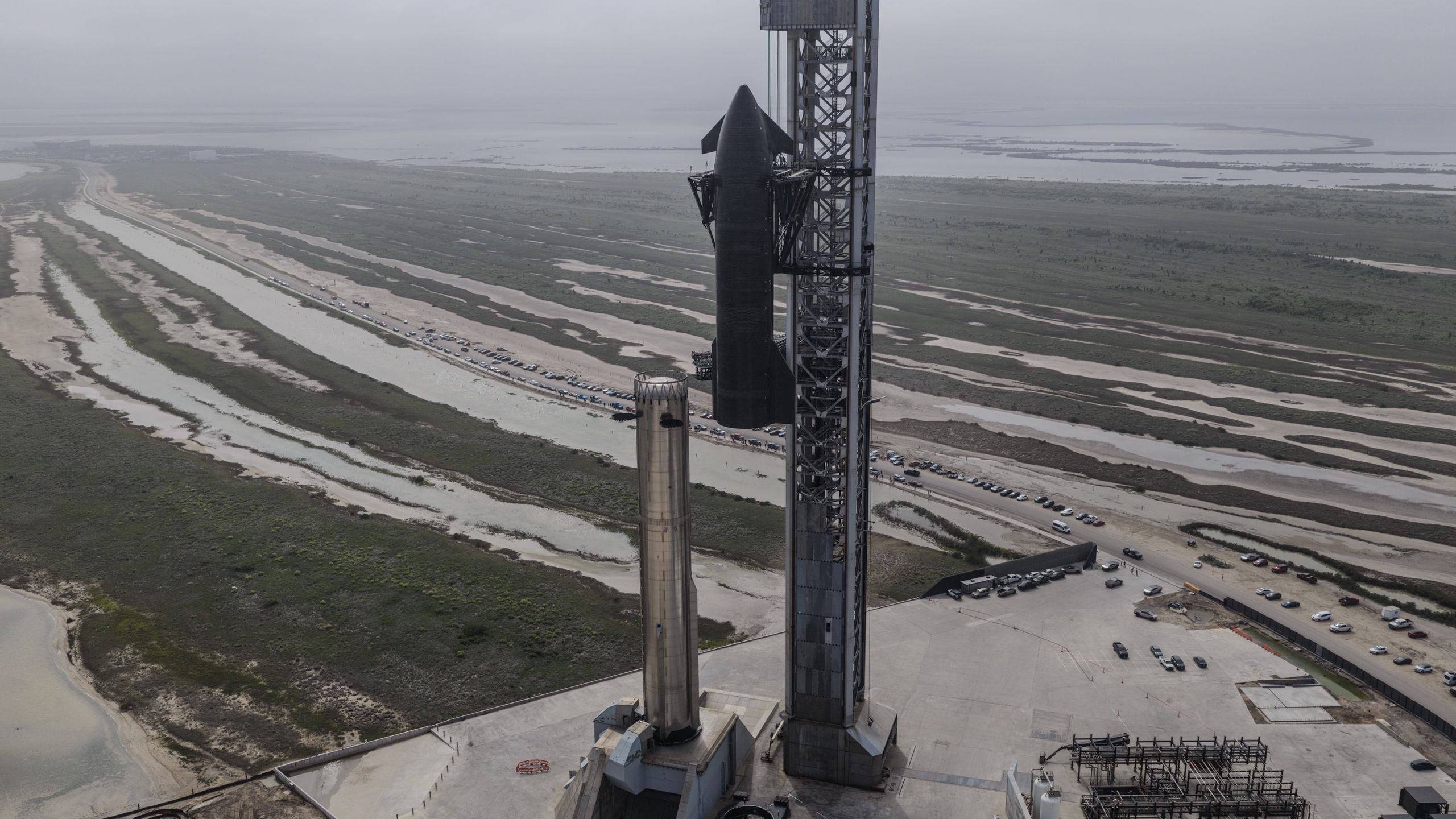
SpaceX Starship V3 — Flight 12 Launch Target May 21
- Entity: SpaceX
- Launch Vehicle · Payload: Starship V3 mega-rocket (equipped with Super Heavy booster), test flight objective
- Status · Outcome: May 21, 2026 (Thursday) launch target set. Pre-launch fuel loading test completed successfully. To be conducted at Texas Starbase new launch pad.
- Industry Implications: Starship V3 is SpaceX's next-generation heavy-lift launch vehicle; this flight represents 2026's inaugural Starship mission and the first V3 design test. Success would further entrench SpaceX's dominance in Moon and Mars mission markets and Pentagon large-payload launch procurement.
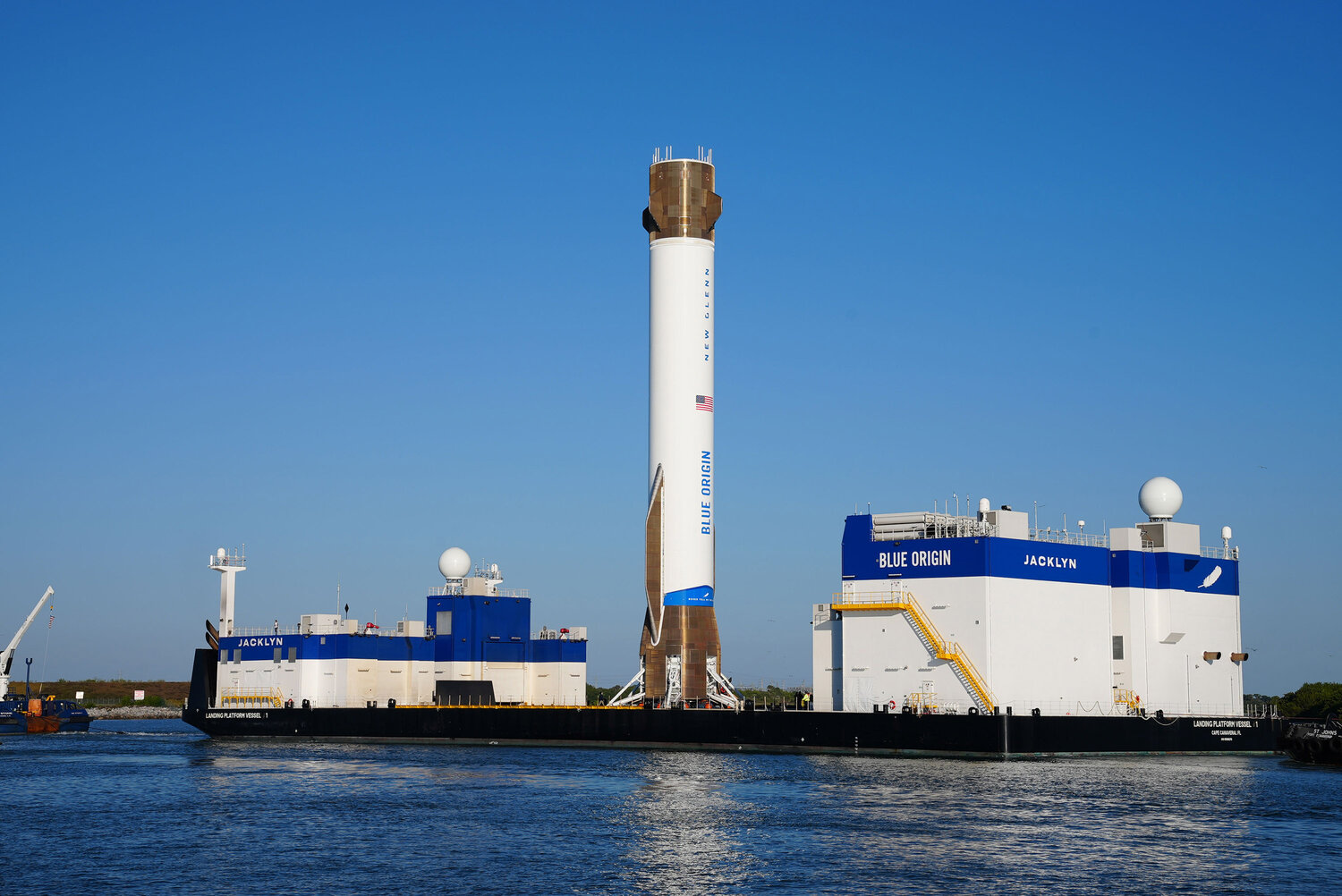
Blue Origin New Glenn — Satellite Orbit Placement Failure Aftermath
- Entity: Blue Origin
- Launch Vehicle · Payload: New Glenn rocket / commercial satellite
- Status · Outcome: April mission resulted in satellite placement in incorrect orbit rather than target orbit. New Glenn operational resumption timeline uncertain.
- Industry Implications: Despite the incident, Blue Origin characterized it as "still early success," but media reporting indicates the competitive gap with SpaceX has widened further. Reliability concerns pose a negative variable for investor sentiment as IPO prospects are discussed.
DAF Research: New U.S. Space Launch Facilities "Essentially Required"
- Entity: U.S. Space Force (DAF)
- Launch Vehicle · Payload: Research report (no specific launch vehicle or payload)
- Status · Outcome: DAF research indicates that existing U.S. launch facilities cannot accommodate growing space launch demand, making new launch facility construction "probably required."
- Industry Implications: Amid surging U.S. defense and commercial space launch demand, new facility construction could trigger billions of dollars in defense infrastructure investment and create new contract opportunities for launch service providers including Northrop Grumman, SpaceX, and ULA.
Geopolitical and Policy Context (current fiscal year basis)
United States and Asian Allies
The 2026 defense budget environment is shaped by the FY2026 National Defense Authorization Act passed by Congress in December 2025. This legislation authorizes $901 billion in military spending—the largest in U.S. history—including a 4% soldier pay raise. Exceeding the Trump administration's request level, this appropriation maintains robust demand across the U.S. defense industrial base in 2026. Meanwhile, Breaking Defense reported that Pentagon AI system 'Maven' utilization surged during Iran strike operations, confirming that AI-enabled targeting support has become formalized as a strategic asset.
Europe and NATO
The FY2026 NDAA contains provisions supporting Ukraine and Europe, signaling that Congress is maintaining Europe security commitments despite the Trump administration's posture. Airbus's Spain A330 MRTT facility opening and Italy contract announcement demonstrate that European NATO allies are accelerating modernization of their air forces. Notably, Australia launched an $7.8 billion Collins-class submarine life-extension program on May 20, 2026. This program extends submarine operations through the 2040s—a 20-year extension beyond original plans.
Emerging Conflict Zones
NORTHCOM Commander General Guillermo emphasized that as of May 20, 2026, the U.S. military is inviting private companies to the southern border through JIATF 401 to conduct live demonstrations of hostile drone-takedown technology. He characterized the southern border as a "sandbox for counter-drone technology." Additionally, Special Operations Commander Admiral Bradley stated in a SOE Week keynote that the Maduro regime–related operation represented "the most sophisticated joint operation conducted by Special Forces." Both examples illustrate 2026 U.S. military focus on irregular warfare and non-state actor response.
Comparative Analysis Insight
SpaceX vs. Blue Origin — 2026 Launch Market Dominance Comparison
| Factor | SpaceX | Blue Origin |
|---|---|---|
| Recent Event | Starship V3 Flight 12 imminent (May 21) | April New Glenn satellite orbit failure |
| 2026 Launch Status | Multiple Falcon 9 operations + Starship V3 inaugural flight | New Glenn operational resumption timeline unclear |
| National Security Contracts | Multiple including classified USSF 124 missions | Commercial-defense balance strategy underway |
| Technical Reliability | Repeated booster recovery success | Orbital accuracy issues exposed |
| Market Implication | Potential entrenchment of monopoly position in national security launch market | Must restore credibility before IPO |
Should SpaceX successfully fly Starship V3, analysis suggests it will solidify a near-monopoly position in Pentagon large-payload launch market (Golden Dome satellite constellation, etc.). Conversely, if Blue Origin fails to resolve New Glenn orbital accuracy issues, sustained losses in national security mission contracts are likely.
Next Week Watchpoints
- SpaceX Starship V3 Flight 12 launch outcome (May 21 launch window): Success and booster recovery directly impact future Pentagon large-payload launch contracts
- Australia Collins-class submarine life-extension program prime contractor selection: $7.8 billion program's major contract decisions are imminent, with U.S. and UK defense firms expected to compete
- CYBERCOM AI budget increase Congressional review: Breaking Defense reports CYBERCOM requested 2,660% AI budget increase for cyber operations, with Congressional review underway
Reader Action Guide
- Investors: SpaceX Starship V3 success or failure could immediately impact competitor stock performance at ULA and Blue Origin. Additionally, Airbus A330 MRTT order expansion signals potential shifts in European tanker market share versus Boeing's KC-46, warranting close monitoring.
- Policy and Strategy: Pentagon's surging Maven AI utilization and CYBERCOM's 2,660% AI budget increase request signal an open policy window for AI governance. The counter-drone technology live-test model at the southern border can serve as justification for expanded rapid acquisition policy (OTA utilization, etc.).
- Industry and Supply Chain: DAF's new launch facility necessity research could lead to future multibillion-dollar launch infrastructure construction projects. As MRO-focused contracts like Australia's Collins-class life-extension increase, supply chain positioning adjustments aligned with this maintenance-heavy contracting trend are recommended.
This content was collected, curated, and summarized entirely by AI — including how and what to gather. It may contain inaccuracies. Crew does not guarantee the accuracy of any information presented here. Always verify facts on your own before acting on them. Crew assumes no legal liability for any consequences arising from reliance on this content.
Powered by
