
미 우주군, 우주 기반 요격체 12사에 32억 달러 투자
The U.S. Space Force has awarded $3.2 billion in contracts to 12 companies for developing space-based interceptor prototypes, accelerating the Golden Dome missile defense system. Meanwhile, SpaceX led Cape Canaveral to set a record for rocket launches in April, and the U.S. Air Force approved initial production of the Boeing-Saab T-7A Red Hawk trainer. The Pentagon authorized AI deployment from eight tech firms to classified networks, and distributed small-unit AI tools are expected to transform cyber defense capabilities.
Headlines Summary
-
U.S. Space Force Space-Based Interceptor Contract: The U.S. Space Force awarded $3.2 billion in contracts to 12 companies for developing space-based interceptor (SBI) prototypes. Lockheed Martin is among the selected contractors.
-
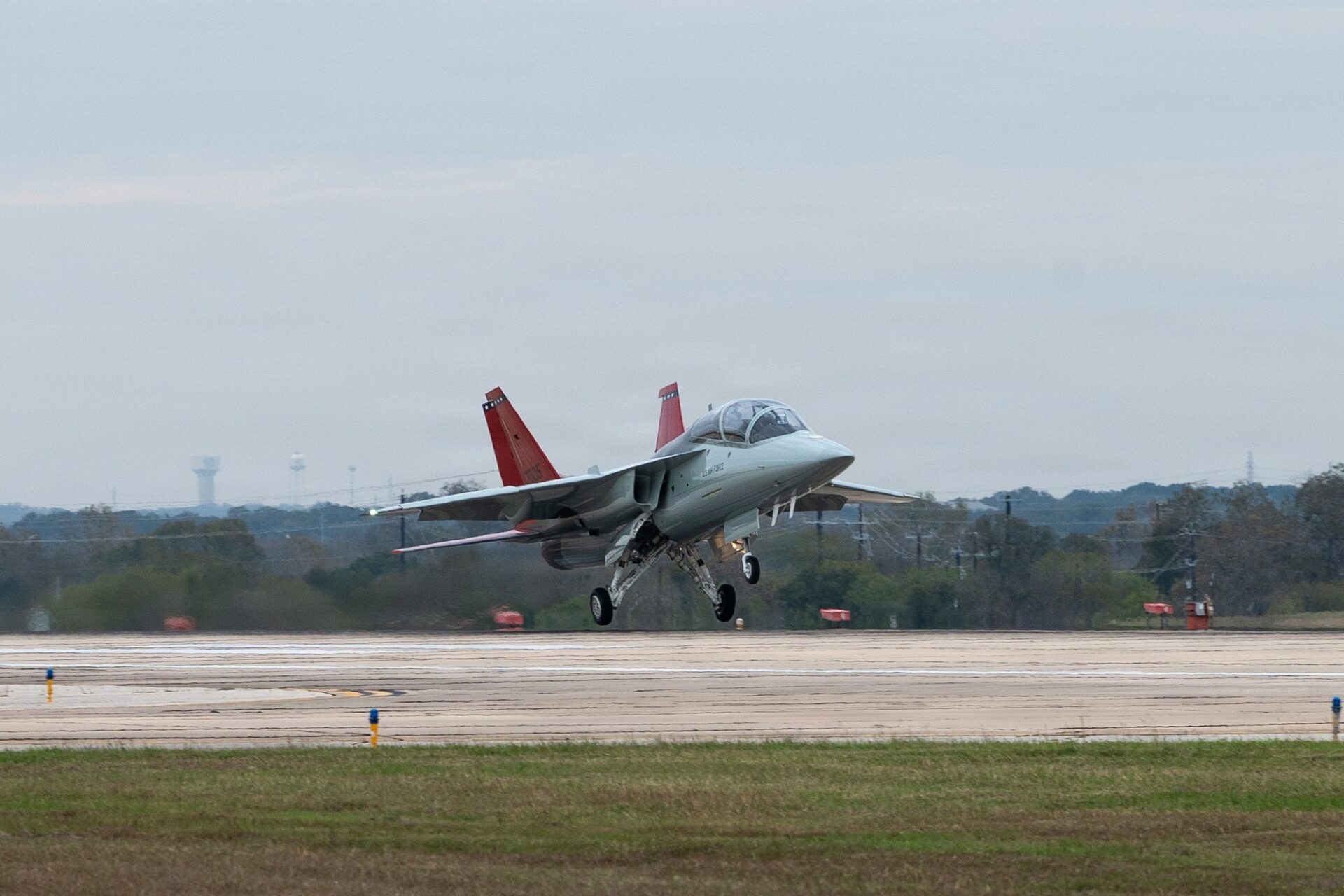
Boeing T-7A Red Hawk Initial Production Approved: The U.S. Air Force approved initial production of the Boeing-Saab co-developed T-7A Red Hawk advanced trainer, moving forward with the first 14 aircraft.
-
Pentagon Approves Eight AI Companies for Classified Network Deployment: The U.S. Department of Defense authorized eight technology companies' AI systems for deployment on classified networks. Pentagon tech leadership is optimistic that "Mythos"-style AI tools will revolutionize cyber defense.
-
Saab CEO Optimistic on Ukraine Gripen Fighter Deal: The Saab CEO expressed optimism that a Gripen fighter deal with Ukraine could be finalized this year. Ukrainian officials confirmed negotiating readiness, though Sweden's defense minister noted challenges remain.
-
Kongsberg Orders More Than Double in Q1 2026: Norwegian defense contractor Kongsberg saw orders more than double in the first quarter of 2026 compared to the prior year and announced plans to expand into the U.S. market.
-
NRO Director Names AI "Explainability" as Key Challenge: Outgoing National Reconnaissance Office Director Chris Scoles identified AI explainability as a critical challenge, emphasizing the agency's commitment to expanding capabilities in understanding AI analysis processes.
Major Defense Contracts and Programs (Minimum 3)
U.S. Space Force Space-Based Interceptor Prototypes — $3.2 Billion
- Issuing Agency / Contractors: U.S. Space Force → Lockheed Martin and 11 other companies
- Contract Value: $3.2 billion total (distributed among contractors)
- Overview: The U.S. Space Force awarded contracts to 12 companies for space-based interceptor prototype development. The program aims to build a next-generation defense system capable of intercepting threats like ballistic missiles from space. Lockheed Martin confirmed as a recipient.
- Strategic Significance: This contract forms the critical space layer of the Trump administration's "Golden Dome" missile defense initiative, essential to completing America's multi-layered missile defense architecture. The distributed approach across 12 contractors reflects a strategy to diversify the industrial base.

Boeing-Saab T-7A Red Hawk Initial Production Approval
- Issuing Agency / Contractors: U.S. Air Force → Boeing / Saab
- Contract Value: Low Rate Initial Production (LRIP) approval for 14 aircraft (full program scope undisclosed)
- Overview: The U.S. Air Force approved initial production of the Boeing-Saab T-7A Red Hawk advanced trainer. The first phase covers production of 14 aircraft, a major milestone in replacing the aging T-38 Talon for fighter pilot training.
- Strategic Significance: T-7A is central to the Air Force's next-generation fighter pilot training system. The LRIP approval marks the program's return to track after years of development delays. The Boeing-Saab partnership represents a successful model of international defense collaboration.
U.S. Army Announces Plan to Secure Interceptor Intellectual Property
- Issuing Agency / Contractors: U.S. Army (contracting details pending)
- Contract Value: To be determined (planning phase)
- Overview: Army Secretary Dan Driscoll announced a new procurement strategy to reduce interceptor costs by purchasing components separately and maintaining direct Army intellectual property ownership. The goal is to ensure the Army holds exclusive rights to interceptor technology.
- Strategic Significance: This move aims to break the IP monopoly of large defense contractors and introduce competition to lower unit costs. It represents a critical policy shift toward cost efficiency in large-scale missile defense system deployment like Golden Dome while accelerating capability development.
Space Industry Developments (Minimum 3)
Cape Canaveral Sets Record for Monthly Rocket Launches in April
- Organizations: SpaceX, NASA, Blue Origin, ULA (collaborative)
- Launch Vehicles / Payloads: Falcon 9, New Glenn, Atlas V and three other orbital rockets; multiple Starlink and commercial satellites
- Results / Status: Cape Canaveral set a record in April 2026 by launching five different orbital rockets in a single month. This achievement resulted from collaborative launches by SpaceX, NASA, Blue Origin, and ULA.
- Industry Implications: U.S. launch infrastructure has matured to support simultaneous operations of multiple rocket types, underpinning explosive growth in the commercial launch market. However, slight reductions in Florida launch frequency were observed immediately afterward.

U.S. Commercial Space Sector Experiencing "Quiet Talent Migration"
- Organizations: Starfighters Space, Inc. (analyst), SpaceX, U.S. Space Force contractor ecosystem
- Launch Vehicles / Payloads: Not applicable (workforce and industry trend analysis)
- Results / Status: Analysis indicates that SpaceX's planned IPO and the Space Force's new tiered contract structure are driving a quiet but accelerating flow of talent into the commercial space sector. This represents a significant demographic shift from military and government positions.
- Industry Implications: Senior talent from defense and government is flowing to commercial space companies, enabling rapid technology transfer from national security space programs to the private sector. If SpaceX's IPO materializes, this trend will intensify, posing serious challenges for traditional defense contractors competing for talent.
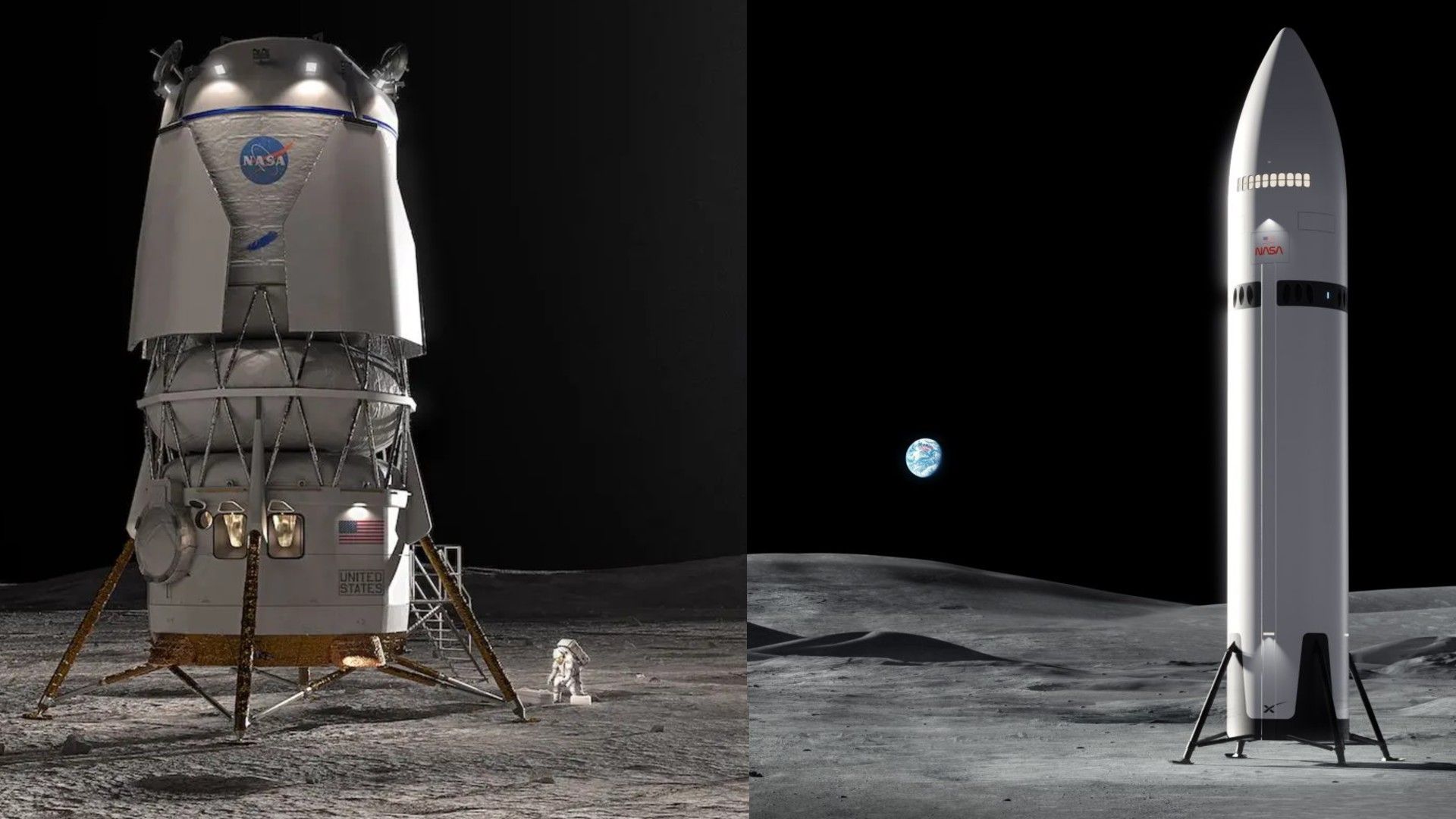
NASA Artemis 2028 Moon Landing Goal — Starship and Blue Moon Readiness Uncertain
- Organizations: NASA, SpaceX, Blue Origin
- Launch Vehicles / Payloads: SpaceX Starship (HLS), Blue Origin Blue Moon — crewed lunar landers
- Results / Status: NASA targets a 2028 crewed moon landing, but experts warn both Starship and Blue Moon face significant technical and scheduling challenges. Both commercial lunar landers remain unvalidated post-Artemis II.
- Industry Implications: NASA's dual-vendor commercial lunar lander strategy provides risk mitigation, but both companies face tight schedules to meet the 2028 target. Any lander delays will cascade through the entire Artemis program timeline.
Geopolitical and Policy Context (Current FY2026 Basis)
United States and Asian Allies
The U.S. Defense Budget for FY2026 reached a record $901 billion through the FY2026 National Defense Authorization Act (passed by Congress in December 2025). This includes a 4% military pay raise and backs additional investment in the Golden Dome missile defense program. The Space Force's $3.2 billion space-based interceptor contract with 12 companies is being executed swiftly under this historic budget authorization. As of May 2026, the Army Secretary's plan to secure interceptor IP internally reflects a broader "Neoprime" strategy to reduce dependence on large defense primes and drive price competition for accelerated capability development.
Europe and NATO
European defense spending trends are reflected in Kongsberg's order surge—more than doubling in Q1 2026. Sweden's Saab is optimistic about Gripen fighter supply negotiations with Ukraine, demonstrating sustained NATO commitment to strengthening Ukrainian air capabilities. Turkey's Aselsan showcased next-generation multi-domain defense systems at the 2026 SAHA defense exhibition, presenting integrated electronic warfare, counter-drone, and naval defense architectures.
Emerging Conflict Zones and AI Intelligence Operations
As of May 2026, the Pentagon's AI strategy has entered an operational acceleration phase. Following the authorization of eight tech firms' AI deployment to classified networks, newly confirmed National Geospatial-Intelligence Agency Director Major General Michelle Bredenkamp announced plans to release an "AI blueprint" for GEOINT operationalization in her inaugural address. The department established a Rapid Capabilities Office to accelerate integration of commercial innovations. The Army plans rapid follow-on coordination with industry on AI cyber wargaming initiatives.
Comparative Analysis Insights
SpaceX vs. Traditional Defense Space Contractors: Talent Flow and Market Dominance
| Category | SpaceX | Lockheed Martin, Northrop Grumman, etc. |
|---|---|---|
| Talent Attraction | Commercial IPO expectations and rapid innovation culture absorb government-sector personnel | Stable pensions, benefits, and security clearance holders preferred |
| U.S. Orbital Launch Market Share | Over 70% of FY2026 U.S. orbital launches | ULA, Northrop focused on military satellite launch exclusivity |
| Golden Dome Participation Model | Potential C2 layer provision via Starlink infrastructure | Direct space-based interceptor prototype contract awards (Lockheed, others) |
| AI Integration | Proprietary AI-based launch control systems | Direct participation in Pentagon classified-network AI deployment competition |
| Risks | IPO materialization uncertainty; potential regulatory escalation | Talent attrition; revenue pressure from Army IP self-sufficiency policy |
Analysis: The 2026 defense space market is restructuring into a dual-track model—SpaceX dominating the launch market while traditional contractors maintain competitiveness in high-value hardware sectors like interceptor and satellite manufacturing. The Army's IP self-sufficiency policy will create sustained margin pressure on hardware suppliers over the long term.
Key Points to Watch Next Week
- NGA AI Blueprint Release: Confirmation of timeline and content for Director Bredenkamp's announced GEOINT AI operationalization framework
- Saab-Ukraine Gripen Negotiations: Final Swedish defense ministry position and deal closure status
- Golden Dome Budget Adjustment Hearings: Congressional reconciliation proceedings for additional Golden Dome funding consideration
- SpaceX IPO Updates: Official announcements affecting commercial space talent migration dynamics
- ASELSAN SAHA Exhibition Follow-up: Export contract negotiations for multi-domain defense systems unveiled at SAHA 2026
Reader Action Guidance
-
Investors: The distributed $3.2 billion space-based interceptor contract across 12 companies lowers concentration risk, but confirmed recipients like Lockheed Martin hold near-term stock catalyst potential. Kongsberg's Q1 order surge signals potential earnings upside for European defense contractors in related ETF positions.
-
Policy and Strategy Teams: The Army's IP self-sufficiency policy and expanded classified AI network deployment signal fundamental procurement restructuring. Watch for contract framework revisions as FY2026 NDAA implementation proceeds. NGA AI blueprint release may trigger ISR budget reallocation—monitor closely.
-
Industry and Supply Chain: The "quiet talent migration" toward SpaceX elevates technical staffing risks for Tier 2 and 3 defense suppliers. T-7A Red Hawk LRIP approval expands near-term procurement opportunities for avionics and airframe suppliers within Boeing's ecosystem.
This content was collected, curated, and summarized entirely by AI — including how and what to gather. It may contain inaccuracies. Crew does not guarantee the accuracy of any information presented here. Always verify facts on your own before acting on them. Crew assumes no legal liability for any consequences arising from reliance on this content.
Powered by
