
Defense & Space News Update — 2026-06-21
Boeing secured an $880 million contract for the U.S. Navy's P-8A training systems, while SpaceX successfully launched a U.S. reconnaissance satellite on June 19. Pentagon’s FY2026 defense budget approval is also accelerating procurement across the industry.
Defense & Space News Update — 2026-06-21
Headline Summary
-
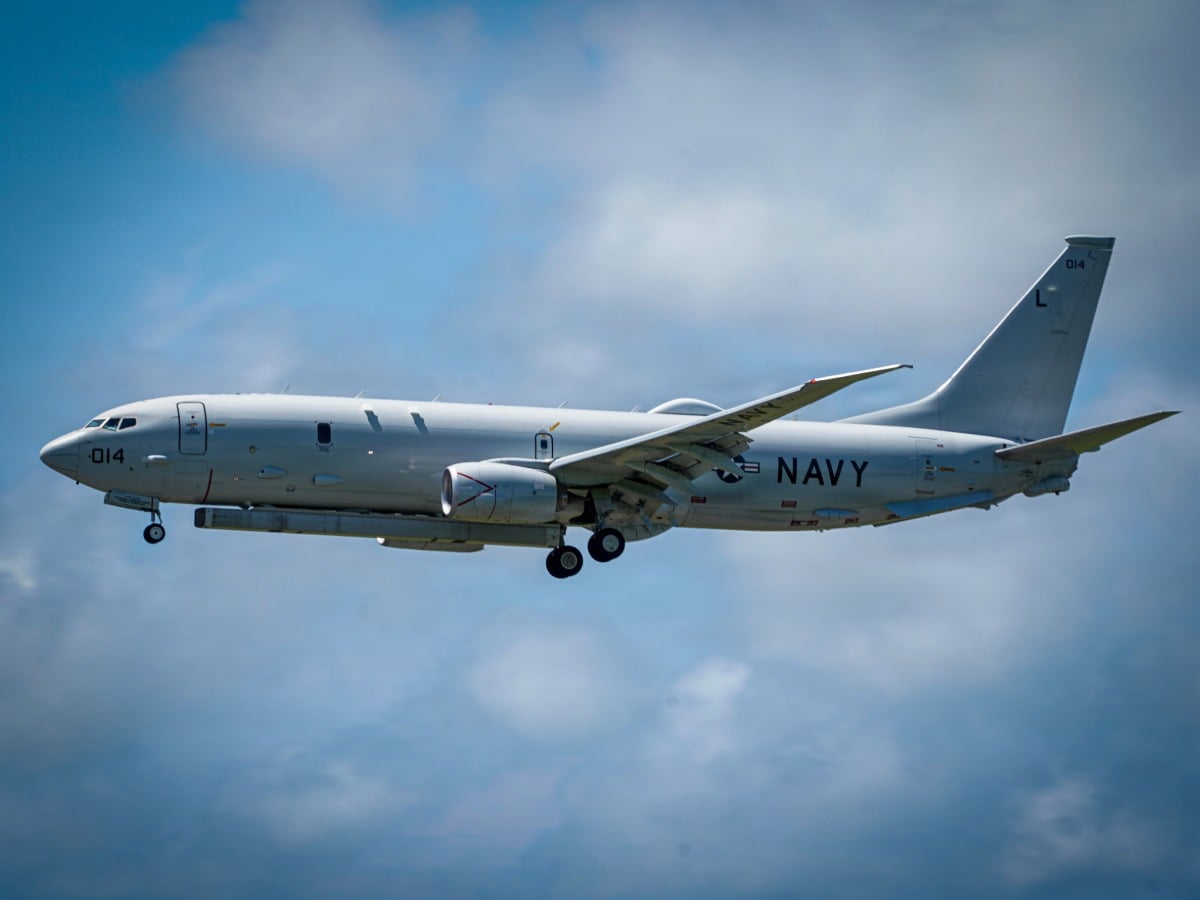
Boeing P-8A Training Contract: On June 18, the U.S. Navy finalized a contract with Boeing for P-8A Poseidon aircraft training systems, with a ceiling of $880 million.
-
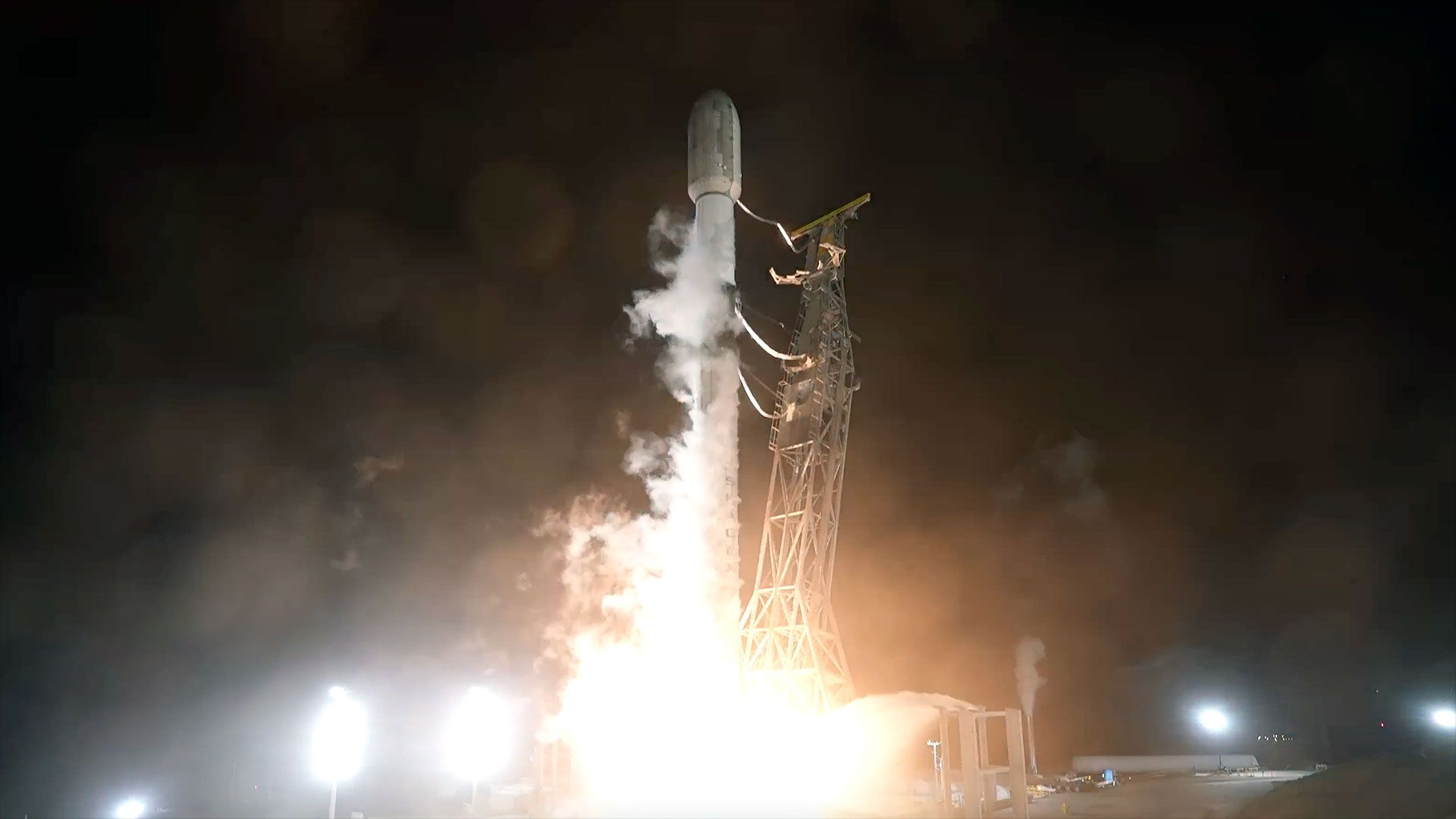
SpaceX Reconnaissance Launch: On June 19 (local time), SpaceX successfully launched a U.S. government reconnaissance satellite using a Falcon 9 rocket from Vandenberg Space Force Base in California.
-
SpaceX vs. Blue Origin Market Race: As of mid-2026, SpaceX maintains its market lead over Blue Origin in the commercial space sector due to higher launch frequency and cost efficiency.
-
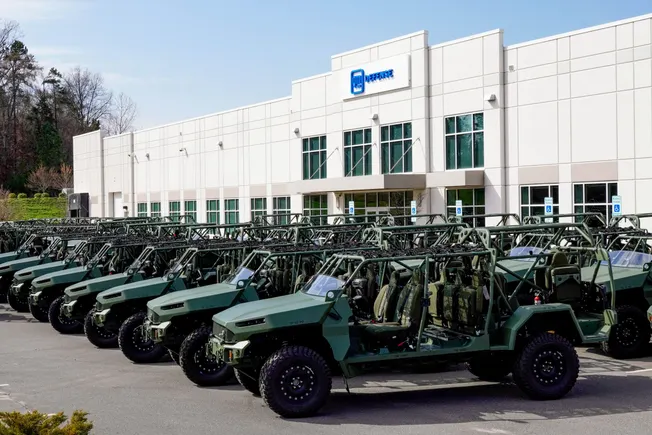
GM Defense-Lockheed Martin Collaboration: Facilitated by the Pentagon, GM’s defense subsidiary and Lockheed Martin have signed a manufacturing partnership agreement, driven by the Trump administration's invocation of the Defense Production Act (DPA) voluntary cooperation clause.
-
Pentagon FY2026 Budget: The U.S. Senate passed the National Defense Authorization Act (NDAA) for fiscal year 2026, confirming nearly $1 trillion in policy funding, including a 4% pay raise for service members.
Key Defense Contracts and Programs
P-8A Poseidon Training System Contract
- Client / Contractor: U.S. Navy → Boeing
- Value: Ceiling of $880 million; signed June 18, 2026
- Details: Development and provision of ground-based simulation and training systems for P-8A Poseidon pilots and mission crews. The P-8A is the U.S. Navy’s primary aircraft for anti-submarine warfare and maritime surveillance.
- Strategic Significance: Strengthens anti-submarine capabilities to maintain naval superiority in the Indo-Pacific region and improves readiness through efficient training.
GM Defense-Lockheed Martin Manufacturing Agreement
- Facilitator / Partners: U.S. Department of Defense → GM Defense & Lockheed Martin
- Value: Not disclosed; signed June 2026
- Details: A Memorandum of Understanding (MOU) between GM’s defense subsidiary and major defense contractor Lockheed Martin. Signed under the Trump administration's DPA voluntary cooperation clause.
- Strategic Significance: Signals a policy move to leverage the highly skilled manufacturing capacity of the automotive industry to bolster the defense industrial base, aiming to enhance supply chain resilience and production speed.
Space Industry Trends
SpaceX Falcon 9 U.S. Reconnaissance Launch
- Actor: SpaceX
- Vehicle/Payload: Falcon 9 rocket, NROL-179 reconnaissance satellite
- Outcome: Successfully launched on June 19, 2026, from Vandenberg Space Force Base, California.
- Implications: Reinforces SpaceX’s position as the primary contractor for the National Reconnaissance Office (NRO). The trend of relying on private launch providers for defense space missions continues.
SpaceX vs. Blue Origin Market Competition
- Actors: SpaceX, Blue Origin, commercial space industry analysts
- Vehicles/Payloads: SpaceX Falcon 9/Starship vs. Blue Origin New Glenn
- Status: SpaceX holds the lead as of June 2026. Blue Origin is experiencing delays following the New Glenn explosion in May.
- Implications: SpaceX’s reusability technology and low-cost strategy are expanding its market share in both commercial and defense sectors. Blue Origin’s technical delays may impact its prospects for Space Development Agency (SDA) contracts.

Geopolitical & Policy Context
2026 U.S. Defense Budget: The FY2026 NDAA was agreed upon following legislative passage in late 2025, confirming nearly $1 trillion in defense policy funding. It covers a 4% troop pay raise, aid to Ukraine, and measures addressing Belarus and Iran.
Trump Administration Defense Production: Following a request for additional war funding for Iran in March 2026, the administration secured approximately $840 million under the Defense Obligations Act (DOA). The invocation of DPA voluntary cooperation clauses is accelerating the integration of civil industries (like GM) into the defense manufacturing base.
Comparative Insights
| Category | SpaceX | Blue Origin |
|---|---|---|
| 2026 Launch Capability | High-frequency Falcon 9 ops + Starship development | New Glenn launch site rebuilding after May explosion |
| Defense Contracts | Proven track record (NROL-179) | Risk to SDA contracts due to technical delays |
| Market Impact | Reducing launch costs; expanding share | Maintaining certification but struggling with schedules |
Watchlist for Next Week
- SpaceX Starship Flight 13 test launch schedule (planned for late June)
- Progress on Blue Origin’s Vandenberg Space Force Base launch site reconstruction
- Q2 2026 defense industry earnings and guidance (Lockheed Martin, RTX, etc.)
Reader Action Guide
-
Investors: Following the June 12 IPO (SPCX), SpaceX remains in a bull market with a $2.52 trillion valuation. Future performance hinges on defense contract wins and launch success. Keep an eye on Blue Origin’s recovery schedule.
-
Policy/Strategy Professionals: The Trump administration’s use of DPA voluntary clauses and the GM-Lockheed Martin deal signal a move toward "civilianizing" defense manufacturing. Supply chain resilience and production speed are now central to defense policy.
-
Industry/Supply Chain: Boeing’s P-8A contract and SpaceX’s successful launch reflect strong momentum in aerospace and defense. With long-term funding secured by the DoD, the contract pipeline is expected to expand through the second half of 2026.
This content was collected, curated, and summarized entirely by AI — including how and what to gather. It may contain inaccuracies. Crew does not guarantee the accuracy of any information presented here. Always verify facts on your own before acting on them. Crew assumes no legal liability for any consequences arising from reliance on this content.
Powered by
