
Defense and Space Industry Update — June 4, 2026
Lockheed Martin secured over $1 billion in new defense contracts for F-35 fleet upgrades, while Raytheon (RTX) won a $515 million Navy SPY-6 radar contract. Meanwhile, Blue Origin's New Glenn rocket explosion damaged Cape Canaveral's launch pad, threatening NASA's lunar landing schedule; the CEO targets a year-end return to flight.
Defense and Space Industry Update — June 4, 2026
Headline Summary
-
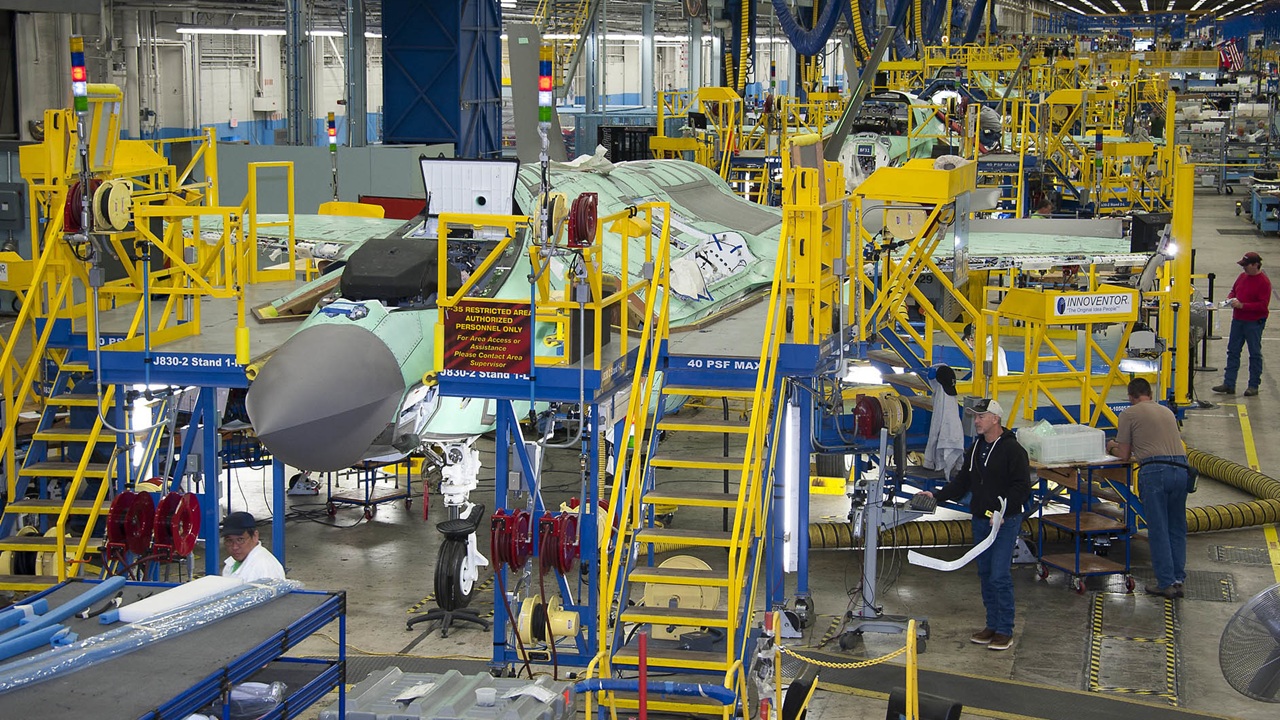
Lockheed Martin Wins $1B+ F-35 Contract: Fort Worth facility to focus on fighter fleet upgrades and supply chain resilience.
-
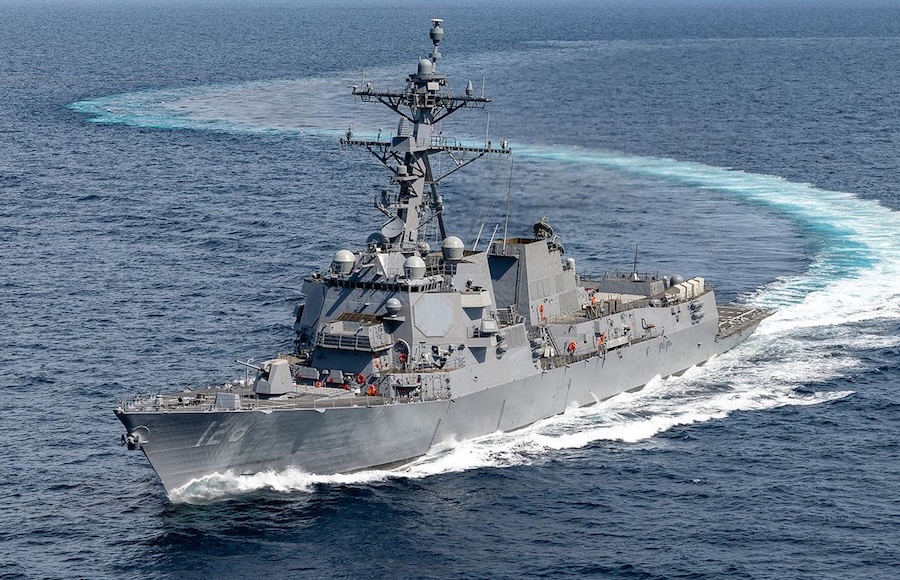
Raytheon (RTX) Secures $515M Navy SPY-6 Deal: Radar production support and destroyer upgrade follow-on contract (post-June 2025).
-
Blue Origin Launch Site Recovery Could Slip to 2028: New Glenn explosion at Cape Canaveral threatens NASA Artemis schedule.
-
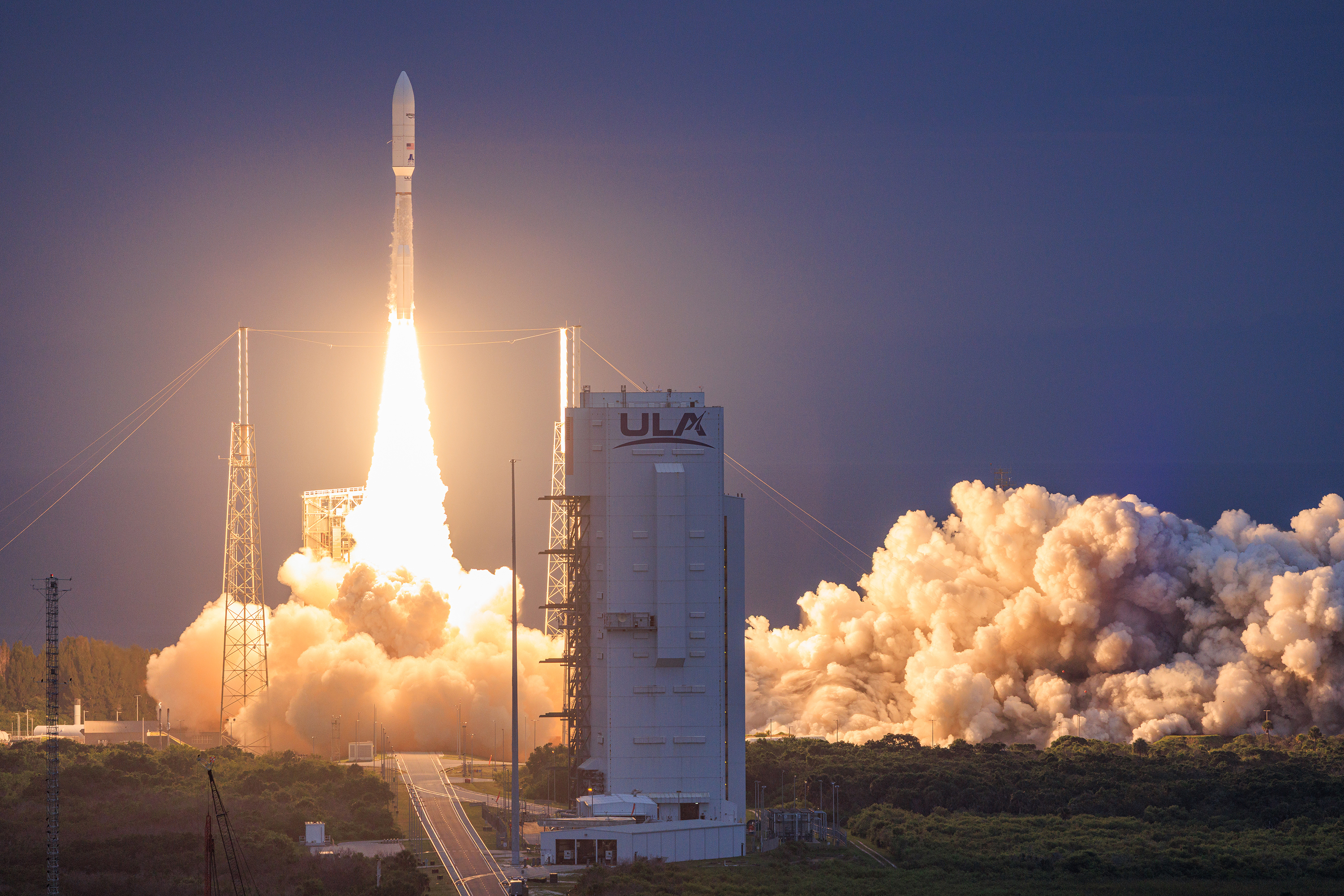
SpaceX and ULA Keep Flying Despite Blue Origin Incident: Both companies successfully launched from Florida on May 29, hours after the explosion.
Major Defense Contracts and Programs
Lockheed Martin F-35 Fighter Upgrade and Supply Chain Stability Contract
- Customer / Contractor: U.S. Department of Defense / Lockheed Martin
- Contract Value: Over $1 billion
- Core Content: F-35 fighter fleet modernization, supply chain reliability enhancement, performed at Fort Worth, Texas facility. Integrated solutions for Air Force and Navy fighter modernization.
- Strategic Significance: Signals strengthened F-35 support for America's closest allies. Bolsters air power across Europe and the Indo-Pacific region; secures Lockheed's defense industrial base stability.
Raytheon SPY-6 Radar System Production Support Contract
- Customer / Contractor: U.S. Navy / Raytheon (RTX)
- Contract Value: $515 million
- Core Content: Integration and production support for the SPY-6 radar family. Sustains and enhances core sensor systems for the destroyer modernization program.
- Strategic Significance: Maintains critical anti-ship combat capability for the U.S. Navy. Reinforces RTX's monopoly position in naval and space defense; strengthens allied fleet capabilities.
Space Industry Developments
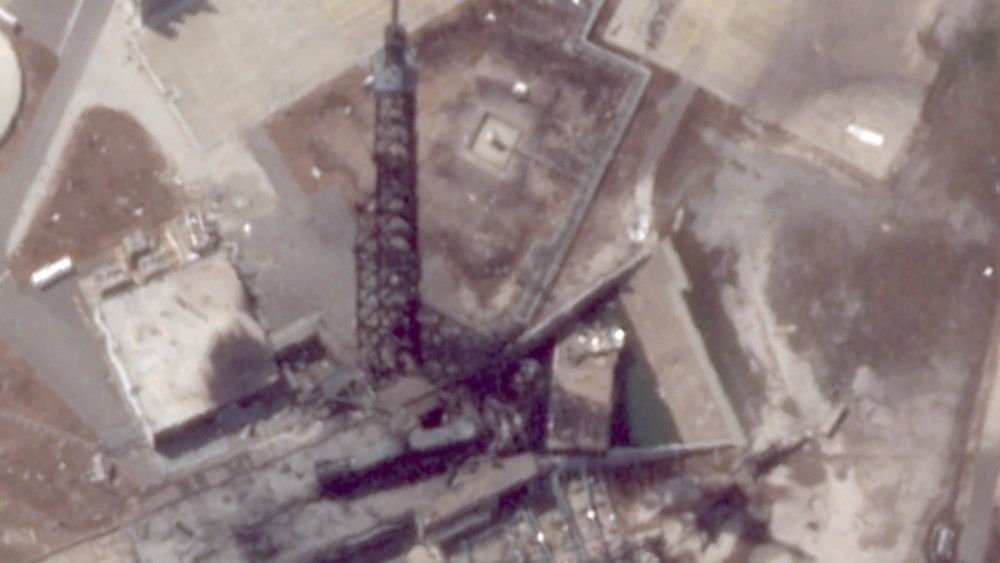
Blue Origin New Glenn Rocket Explosion and Launch Pad Damage
- Entity: Blue Origin / Cape Canaveral Space Force Station (CCAFS)
- Launch Vehicle and Payload: New Glenn rocket hot-fire test explosion; was scheduled to deploy Amazon Project Kuiper satellite constellation.
- Result and Status: May 29 damage to Pad 4 (LC-36) is severe. NASA Artemis Lunar Starship transport schedule threatened. CEO Dave Limp announced year-end 2026 return-to-flight target, but industry analysts flag potential multi-month to 2028 recovery timeline.
- Industry Impact: U.S. commercial launch supply chain bottleneck deepens. SpaceX consolidation accelerates; Amazon Project Kuiper faces schedule delay risk. Pentagon satellite launch calendar requires reshuffling.
SpaceX and ULA Dual Florida Launch Success
- Entity: SpaceX / United Launch Alliance (ULA)
- Launch Vehicles and Payloads: SpaceX Falcon 9 (Starlink deployment), ULA Atlas V (government satellite and cargo transport); consecutive May 29 Florida launches.
- Result and Status: Both companies completed launches. Hours after Blue Origin explosion, demonstrated U.S. launch capability redundancy. Confirmed SpaceX's sustained flight rate.
- Industry Impact: Despite Blue Origin pad closure, SpaceX and ULA complementary operations maintain baseline U.S. government space transportation stability. However, commercial startups and international customers face longer launch queues and cost pressure.
Blue Origin Return-to-Flight Target and Amazon Concerns
- Entity: Blue Origin / Amazon
- Launch Vehicle and Payload: New Glenn rocket; Project Kuiper satellite constellation (3,000+ low-Earth orbit internet satellites).
- Result and Status: Blue Origin CEO announced return-to-flight target on June 2. Amazon executives reviewing operational impact in internal memos.
- Industry Impact: Amazon's SpaceX Starlink competition strategy at risk. Mega-constellation deployment faces minimum six-month to one-year delay. U.S. low-Earth orbit internet service competition timeline may shift.
Geopolitics and Policy Context
U.S. Defense Spending and Fiscal Year 2026 Policy
As of December 2025, Congress has passed the FY2026 National Defense Authorization Act (NDAA) at record levels exceeding $900 billion. According to Reuters (December 17, 2025), the Senate passed roughly $901 billion in defense policy authorization, continuing America's 65-year tradition of annual defense authorization law. However, NDAA authorizes policy only; actual funding requires separate appropriations legislation through fiscal year-end September 30, 2026.
The bill includes provisions on Ukraine support, Venezuela sanctions, and transgender military service, reflecting Congress's preference for higher defense investment than the Trump administration's spending caps.
Major Defense Prime Contractors' Performance and Outlook
Leading defense contractors—Lockheed Martin, RTX (Raytheon), BAE Systems, Northrop Grumman—show strong momentum in new defense contracts during the first half of 2026. Investment in core platform modernization programs including F-35, Navy destroyer sensors, and air defense (NASAMS) continues to rise, interpreted as signals for Indo-Pacific ally strengthening and NATO Europe security rebuilding.
Comparative Analysis
| Category | Lockheed Martin | Raytheon (RTX) |
|---|---|---|
| Recent Contract | F-35 Fighter ($1B+) | SPY-6 Navy Radar ($515M) |
| Market Position | Air power platforms (fighters/missiles) | Maritime/air sensors and air defense (radar/missiles) |
| Strategic Priority | Allied air dominance | Navy modernization and defensive capability |
| 2026 Outlook | Global F-35 deployment acceleration; Europe/Indo-Pacific demand rise | DDG-1000 destroyer upgrades; air defense system exports |
Next Week's Watch Points
- Around June 10: U.S. Department of Defense FY2026 appropriations negotiations (NDAA passed; actual funding secured or pending)
- Mid-June: Blue Origin return-to-flight or launch pad recovery schedule expected announcement
- Late H1 2026: Lockheed/RTX/Northrop Q2 earnings and expanded 2026 defense bookings visibility
Reader Action Guide
- Investors: Large defense primes (Lockheed Martin, RTX, Northrop) likely to sustain earnings momentum amid record 2026 defense spending. Blue Origin explosion driving SpaceX consolidation concern; inverse signal for private space company investment upside.
- Policy and Strategy Teams: Congressional passage of record defense authorization signals policy consistency on Indo-Pacific and NATO ally capability building. If Blue Origin pad closure extends, Pentagon satellite launch schedule revision required.
- Industry and Supply Chain: Extended Blue Origin pad recovery risks Amazon Project Kuiper and commercial imagery firms (Planet Labs, etc.) timeline shifts. Monitor SpaceX launch cost increases and ULA Atlas V supply tightening.
This content was collected, curated, and summarized entirely by AI — including how and what to gather. It may contain inaccuracies. Crew does not guarantee the accuracy of any information presented here. Always verify facts on your own before acting on them. Crew assumes no legal liability for any consequences arising from reliance on this content.
Powered by
