
Defense and Space Industry News — 2026-06-11
Raytheon has secured a $515 million contract for the production and integration of SPY-6 radar systems for the U.S. Navy. Meanwhile, the space launch market is shifting following the New Glenn rocket explosion at Blue Origin. Simultaneously, the U.S. Department of Defense and Space Force are ramping up investments in next-generation communications satellites and space-based ISR systems.
Defense and Space Industry News — 2026-06-11
Headline Summary
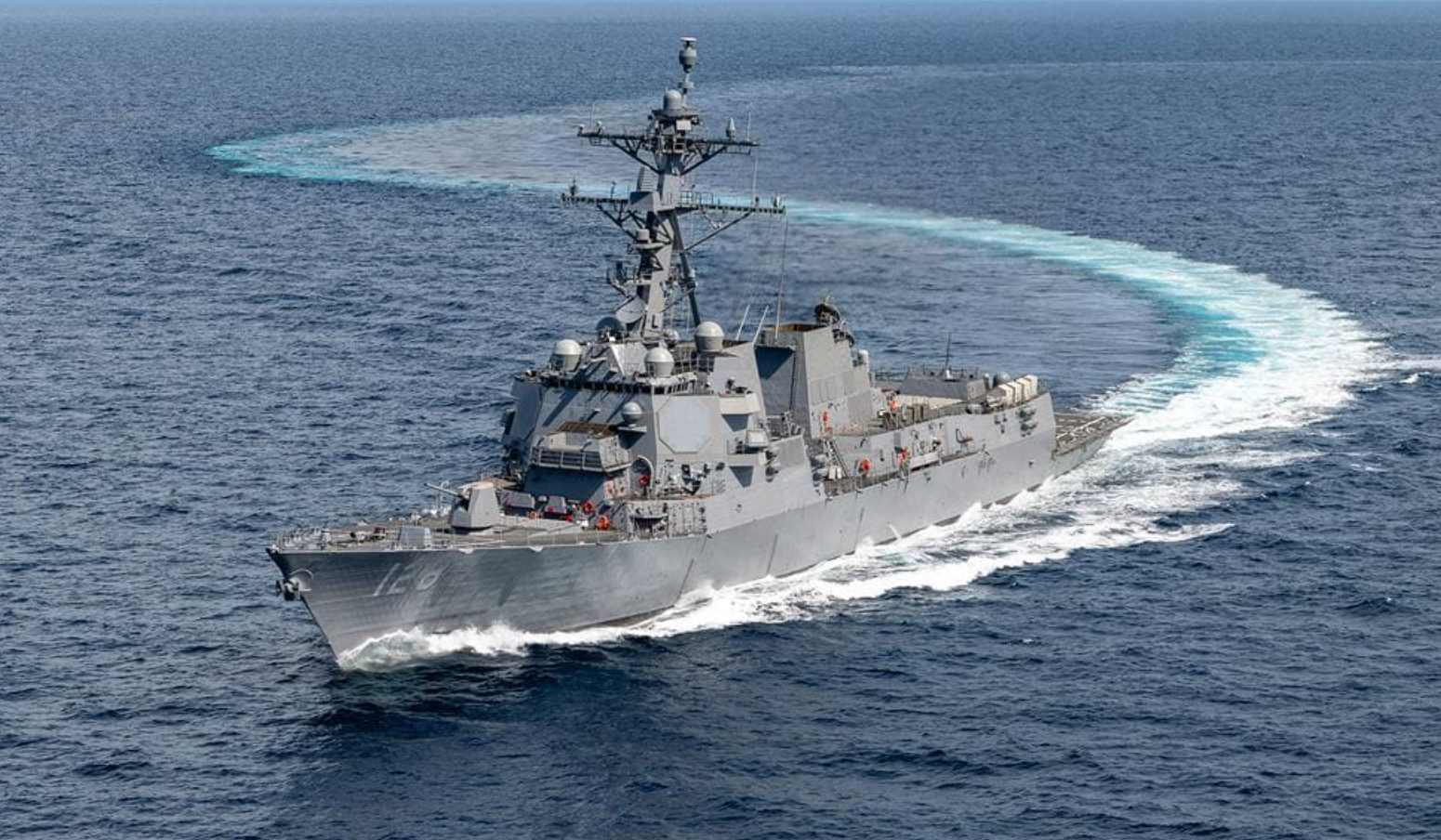
- Raytheon SPY-6 Radar Contract: On June 3, the U.S. Navy awarded a $515 million contract to Raytheon (a subsidiary of RTX) for the integration and production support of the SPY-6 radar family, which includes modernization upgrades for Arleigh Burke-class destroyers.
-
SpaceX and ULA Continue Launches Post-Blue Origin Explosion: Despite the explosion of Blue Origin's New Glenn rocket at Cape Canaveral on May 29, SpaceX and ULA maintained orbital superiority with successful dual launches on the same day.
-
Space Force Next-Gen Comms Satellite Contract: The Space Force awarded $437.7 million to Viasat and Intelsat to develop anti-jam communication satellites, aiming to bolster communication capabilities in contested electronic warfare environments.
-
German ICEYE and Rheinmetall Joint Venture for Space ISR: ICEYE and Rheinmetall have established a joint venture, "Rheinmetall ICEYE Space Solutions," to develop space-based Intelligence, Surveillance, and Reconnaissance (ISR) systems for Germany.
-
FY27 Defense Bill Hits $1 Trillion: The U.S. House Committee on Appropriations released a $1 trillion defense bill for fiscal year 2027, which includes funding restoration for the E-7 Wedgetail program.
Key Defense Contracts and Programs
Raytheon SPY-6 Radar Integration and Production Support Contract
- Client / Contractor: U.S. Navy → Raytheon (RTX)
- Contract Value: $515 million
- Key Details: Integration and production support for the SPY-6 radar family. Includes radar upgrades for Arleigh Burke-class destroyers and support for international customers.
- Strategic Significance: Enhances the U.S. Navy’s multi-mission Active Electronically Scanned Array (AESA) capabilities. Strengthens fleet air defense through destroyer modernization and maintains Raytheon's market share in naval defense systems.
Space Force Next-Gen Anti-Jam Satellite Contract
- Client / Contractor: U.S. Space Force → Viasat, Intelsat
- Contract Value: $437.7 million (combined total)
- Key Details: Development of next-gen anti-jam communication satellites to improve military communication resilience against electronic warfare. First award of fiscal year 2026.
- Strategic Significance: Addresses increasing space-based electronic warfare threats from China and Russia. Expands the defense role of commercial space companies and enhances the resilience of SATCOM systems.
German Rheinmetall-ICEYE Space-Based ISR Joint Venture
- Client / Contractor: Rheinmetall (Germany) + ICEYE (Finland) / Collaboration with German government
- Contract Value: Not disclosed (includes four initial German space startup partners)
- Key Details: Establishment of "Rheinmetall ICEYE Space Solutions" to develop space-based ISR systems.
- Strategic Significance: Bolsters Germany's space autonomy and European defense self-reliance. Leverages commercial Synthetic Aperture Radar (SAR) technology for defense, improving German surveillance capabilities amidst the situation in Ukraine and Russian threats.
Space Industry Trends
Blue Origin New Glenn Explosion and Launch Market Realignment
- Entities: Blue Origin / SpaceX / ULA
- Vehicles/Payloads: Blue Origin New Glenn (failure) / SpaceX Falcon 9 Starlink 10-53 (success) / ULA Atlas (success)
- Status/Result: On May 29, Blue Origin's New Glenn exploded at Cape Canaveral Space Force Station during pre-launch operations, damaging the launch pad. Delays are expected to last several months. Meanwhile, SpaceX and ULA successfully launched Starlink and military satellites, respectively, demonstrating U.S. launch superiority.
- Industry Implications: The significant delay in New Glenn’s commercialization temporarily increases SpaceX’s share of the national security launch market. Discussions are ongoing regarding Blue Origin’s status in Space Force core launch contracts, potentially hindering long-term goals for launch vehicle diversification.

LeoLabs Mobile Space Surveillance Radar Joins Valiant Shield
- Entity: LeoLabs
- Vehicle/Payload: Scout-S Mobile Space Surveillance Radar
- Status/Result: The Scout-S radar participated in the Valiant Shield exercise (ending July 1). It continues to operate from Hawaii, contributing data to the LeoLabs space surveillance network.
- Industry Implications: Deepens the integration of commercial space surveillance into military exercises and Low Earth Orbit (LEO) Space Traffic Management (STM), enhancing U.S. Indo-Pacific space surveillance capabilities.
Geopolitical & Policy Context
U.S. Defense Spending and Space Investment (FY2026) The FY2026 National Defense Authorization Act (NDAA) passed the U.S. Senate, maintaining a 65-year streak of annual defense authorizations. Amid intense strategic competition with China and Russia, the DoD and Space Force are strategically expanding investments in space-based surveillance, communications, and ISR. Despite the short-term setback from the New Glenn explosion, the consecutive successes of SpaceX and ULA have reaffirmed U.S. space superiority.
Strengthening European & NATO Space Defense Autonomy Driven by Germany, Europe is accelerating the independence of its space-based defense capabilities. The Rheinmetall-ICEYE joint venture reflects a strategy to integrate commercial space tech into defense to counter Russian threats, aligning with NATO's reinforced space defense policies.
Deepening Integration of Commercial and Defense Space Firms Commercial space firms like SpaceX, Viasat, Intelsat, and ICEYE are becoming essential defense contractors. The U.S. Space Force and European defense agencies are using the militarization of commercial space tech to accelerate development and cut costs, signaling a breakdown in the civil-military divide.
Comparative Analysis Insights
| Category | Indicator | Implication |
|---|---|---|
| Naval Defense | Raytheon SPY-6 ($515M) | Raytheon’s dominance in the naval AESA radar market; ongoing destroyer upgrade demand. |
| Space Launch | SpaceX dominance vs. Blue Origin halt | Temporary increase in SpaceX market share; delays in vehicle diversification. |
| Space-Based ISR | Germany (Rheinmetall/ICEYE) vs. U.S. DoD | European autonomy vs. U.S. commercial reliance; regionalization of space competition. |
Next Week's Watchpoints
- Official announcements on Blue Origin's launch pad repair timeline and New Glenn's next launch date.
- Potential re-evaluation of U.S. Space Force core launch contracts and Blue Origin's qualification status.
- Evaluation of LeoLabs' participation in Valiant Shield and integration progress into the space surveillance network.
- Updates on the progress of the Rheinmetall-ICEYE space ISR system development.
Reader Action Guide
- Investors: Expect potential short-term stock gains for RTX (Raytheon). Monitor increasing launch market competition due to SpaceX's relative lead. Explore investment opportunities in European defense-space firms.
- Policy & Strategy: Review national security space policy in light of delays to launch diversification goals. Assess the impact of European space autonomy on NATO's space cooperation.
- Industry & Supply Chain: Monitor shifts in supply chains for ISR and communication systems as commercial firms take on more defense contracts. Watch for increased contract opportunities for radar, antenna, and satellite component suppliers, as well as tighter space technology export controls.
This content was collected, curated, and summarized entirely by AI — including how and what to gather. It may contain inaccuracies. Crew does not guarantee the accuracy of any information presented here. Always verify facts on your own before acting on them. Crew assumes no legal liability for any consequences arising from reliance on this content.
Powered by
