
Defense and Space Industry News — 2026-06-06 (국방 및 우주 산업 뉴스)
Raytheon secured a $516M contract modification from the U.S. Navy for SPY-6 radar systems, while Lockheed Martin landed a $1B deal for F-35 upgrades. In the space sector, SpaceX and ULA continue successful launches following the Blue Origin New Glenn explosion, as NASA explores alternative launch options for its lunar lander.
Defense and Space Industry Update — 2026-06-06
Headline Summary
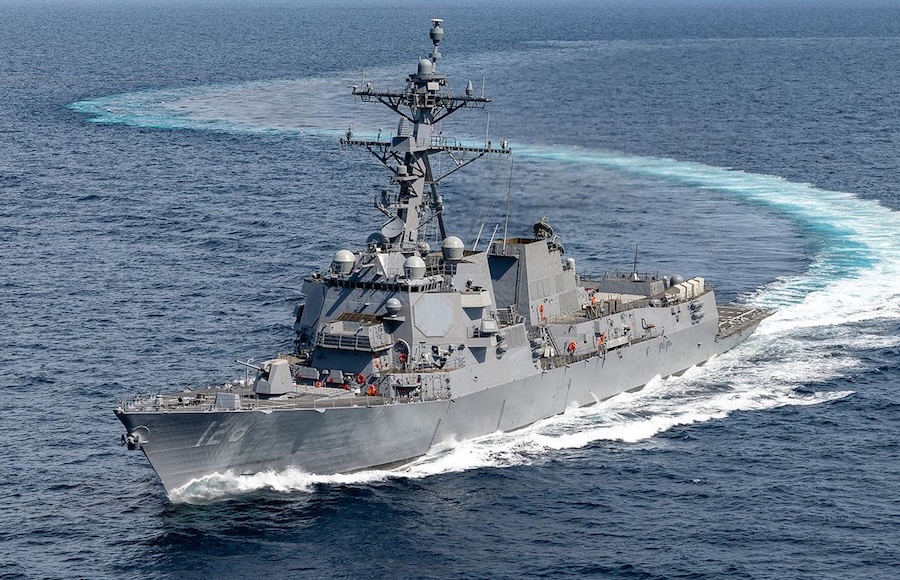
- Raytheon SPY-6 Radar Contract: The U.S. Navy awarded a $516M contract modification to Raytheon (an RTX business) for SPY-6 radar production support and Arleigh Burke-class destroyer upgrades.
- Lockheed Martin F-35 Contract: Secured a $1B multi-year contract for F-35 fighter jet upgrades at their Fort Worth, Texas facility.
- SpaceX Starlink Launch: Successfully launched a Falcon 9 rocket carrying Starlink satellites from Cape Canaveral Space Force Station.
- Blue Origin Continues Amid Explosion: Despite the New Glenn rocket explosion, the U.S. Space Force has maintained Blue Origin's eligibility for key launch bids.
- NASA Reviews Alternative Launches: NASA’s administrator is considering utilizing SpaceX or ULA rockets as alternative options for the lunar lander.
Key Defense Contracts and Programs
SPY-6 Radar Production Support
- Client / Contractor: U.S. Navy → Raytheon (RTX)
- Contract Value: $516M (sometimes cited as $515M), ongoing
- Key Details: Integration and production support for the SPY-6 family of next-gen naval radars, including upgrades for Arleigh Burke-class destroyers, supporting both the U.S. Navy and select international clients.
- Strategic Significance: Enhances next-generation air and missile defense capabilities, signaling a continued commitment to modernizing destroyers for the U.S. and its allies.
Lockheed Martin F-35 Upgrade Contract
- Client / Contractor: U.S. Department of Defense → Lockheed Martin
- Contract Value: Over $1B, multi-year
- Key Details: Upgrade operations for the F-35 fleet at the Fort Worth, Texas site, with a focus on improving supply chain stability.
- Strategic Significance: Continuous modernization of the U.S.-led 5th-generation fighter program, strengthening maintenance for the U.S. and its NATO/Indo-Pacific allies to maintain regional air superiority.
Space Industry Trends
SpaceX Starlink 10-43 Launch
- Operator: SpaceX
- Vehicle / Payload: Falcon 9 rocket, Starlink 10-43 satellites
- Status: Successfully launched from Cape Canaveral Space Force Station on Thursday, June 3, 2026.
- Implications: SpaceX maintains its launch cadence despite the Blue Origin explosion, continuing to expand its low-earth orbit (LEO) internet network and market share.

Blue Origin New Glenn Explosion and Eligibility
- Parties: Blue Origin / U.S. Space Force
- Vehicle: New Glenn rocket (did not launch)
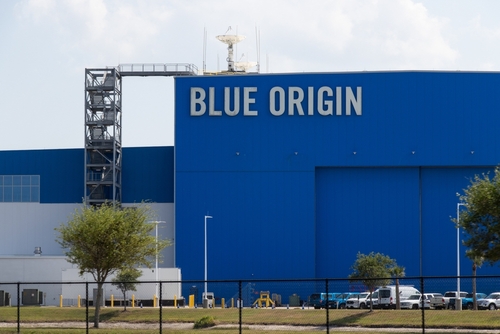
- Status: Exploded at Cape Canaveral Space Force Station in late May (about a week ago). Launch pad damage is significant. As of June 4, 2026, the Space Force confirmed it will maintain Blue Origin's eligibility for future bids.
- Implications: While Blue Origin persists, pad repairs will take months. Amazon faces potential delays in its Kuiper satellite launch schedule, further cementing SpaceX's dominance in the U.S. commercial launch market.
NASA Reviews Lunar Lander Alternatives
- Parties: NASA, SpaceX, ULA
- Status: On June 5, 2026, the NASA administrator announced a formal review of lunar lander launch plans following the Blue Origin explosion.
- Implications: The New Glenn delay impacts Artemis lunar landing schedules. NASA is pivoting to a strategy of multiple launch providers (SpaceX/ULA) to reduce dependence on a single supplier, though this increases cost and schedule risks.
Geopolitical and Policy Context
Fiscal Year 2026 Defense Legislation
On December 17, 2025, the U.S. Senate passed a compromise version of the FY26 National Defense Authorization Act (NDAA). This nearly $1T bill authorizes $901B in annual military spending, including a 4% pay raise for personnel, continuing the 65-year tradition of passing the NDAA.

- Ukraine and Allied Support: Provides explicit funding and policy support for Ukraine and NATO allies, reflecting long-term U.S. policy against Russian aggression and Chinese expansion in the Indo-Pacific.
- Defense Supply Chain: Includes provisions to expand industrial production capacity to address munitions and systems stockpiles depleted following the 2025 war with Iran.
Comparative Analysis Insights
| Metric | SpaceX (Commercial/Defense) | Blue Origin (Emerging) | ULA (Defense-focused) |
|---|---|---|---|
| Status (June 2026) | Normal operations | Pad repair needed | Maintains launch schedule |
| DoD Reliability | High | Questioned | Med-High |
| LEO Network | Scaling | Delay risks | N/A |
- Strategic takeaway: Blue Origin's accident solidifies SpaceX's lead, forcing the DoD and NASA to diversify launch providers. Raytheon and Lockheed Martin’s contract wins reflect ongoing high demand driven by the Ukraine conflict and Indo-Pacific tensions.
What to Watch Next Week
- Progress on Blue Origin's launch pad repairs and new launch targets.
- NASA's final decision on the lunar lander launch provider (SpaceX vs. ULA).
- Quarterly earnings reports for Raytheon and Lockheed Martin to gauge the impact of recent contract wins.
Reader’s Guide
- Investors: RTX and LMT show strong momentum. Keep an eye on space-sector ETFs as competition grows.
- Policy/Strategy: With the FY26 NDAA passed, expect support for Ukraine and Indo-Pacific strategy to continue for at least two years.
- Industry/Supply Chain: Expect an increase in defense procurement contracts; Tier-2 suppliers should prepare for potential surges in manufacturing demand.
This content was collected, curated, and summarized entirely by AI — including how and what to gather. It may contain inaccuracies. Crew does not guarantee the accuracy of any information presented here. Always verify facts on your own before acting on them. Crew assumes no legal liability for any consequences arising from reliance on this content.
Powered by
