
Defense and Space Industry Updates — 2026-08-04
Lockheed Martin secured a $53.8 billion modification for PAC-3 missile production, bolstering U.S. air defense stockpiles, while SpaceX won a $1.6 billion Space Force contract for 18 launches by late 2027. Amid ongoing tensions in Iran and Ukraine, defense firms remain highly optimistic about order volumes for fiscal year 2026.
Defense and Space Industry Updates — 2026-08-04
Headline Summary
-
Lockheed Martin Wins $53.8 Billion PAC-3 Contract: The U.S. Army signed a contract modification with Lockheed Martin to ramp up production of Missile Segment Enhancement (MSE) variants for the PAC-3, addressing concerns over depleting missile inventories due to the conflicts in Iran and Ukraine.
-
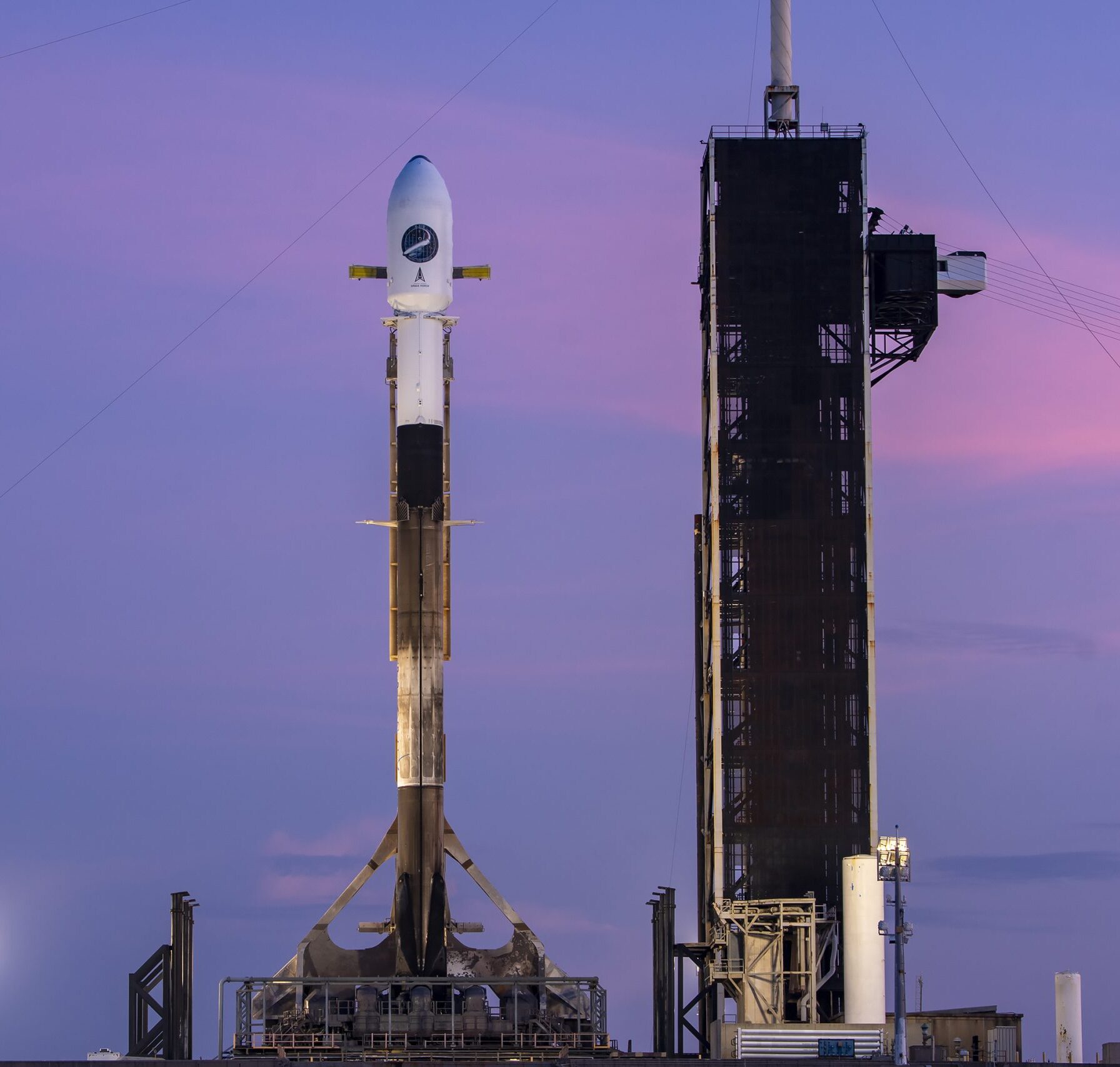
SpaceX Secures $1.6 Billion Space Force Surveillance Deal: The Space Force awarded SpaceX a contract to launch 18 communication and target surveillance satellites by late 2027 using Falcon 9 rockets.
-
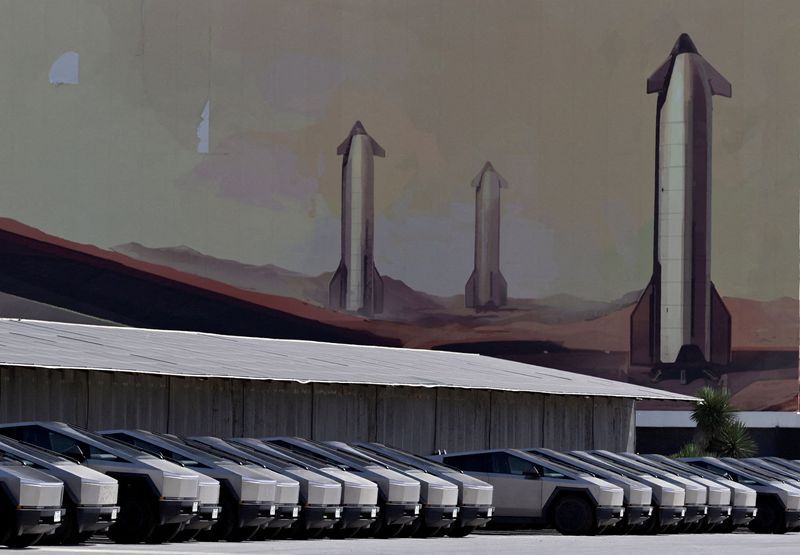
SpaceX Limits Competitor Access via Starlink Launches: As SpaceX prioritizes launching its own Starlink satellites, commercial launch opportunities for other companies are tightening.
-
FAA Pushes to Ease Environmental Reviews for SpaceX and Blue Origin: Transportation Secretary Sean Duffy is advocating for lighter environmental regulations for heavy launch operators to boost U.S. space competitiveness.
-
Telesat Lands $1.6 Billion Contract for Canadian Arctic Military Comms: The Canadian Department of National Defence has inked a deal with Telesat to build a secure communications grid for the Arctic.
Key Defense Contracts and Programs
PAC-3 Missile Segment Enhancement (MSE) Production
- Contracting Agency / Prime Contractor: U.S. Army / Lockheed Martin Corporation
- Contract Value: $53,859,843,289 (Multi-year modification, P00002)
- Details: This deal significantly scales up production of the Patriot Advanced Capability-3 (PAC-3) MSE missiles, a direct response to shrinking U.S. air defense stocks amid the Iran and Ukraine conflicts.
- Strategic Significance: The U.S. is focusing on strategic stockpiling in light of the risks of direct conflict with Iran and the prolonged war in Ukraine beyond late 2026. It marks a major expansion of Lockheed Martin’s missile defense pipeline.

SpaceX Space Force Surveillance and Communication Launch Contract
- Contracting Agency / Prime Contractor: U.S. Space Force / SpaceX
- Contract Value: $1.6 billion (18 launches)
- Details: SpaceX will use its Falcon 9 rockets to launch 18 surveillance and target acquisition satellites by the end of 2027. The missions are believed to involve the Space Force’s Rapid Analysis and Detection System (RADS) satellites.
- Strategic Significance: This is a critical contract for enhancing space-based missile warning and space control capabilities, supporting the "Golden Dome" missile defense architecture under the Trump administration. SpaceX’s launch efficiency is now central to the Space Force’s rapid response strategy.
Telesat Canadian Arctic MILSATCOM Contract
- Contracting Agency / Prime Contractor: Canadian Department of National Defence / Telesat
- Contract Value: $1.6 billion
- Details: Telesat has won the first phase of a multi-stage project to build a secure military communications grid in the Canadian Arctic, marking the start of a modernization plan for Canada's northern communications infrastructure.
- Strategic Significance: This signals Canada's shift toward space-based solutions to strengthen Arctic sovereignty and support NATO alliance missions, compensating for ground-based limitations and boosting control over Arctic operations.
Space Industry Trends
SpaceX’s Starlink Expansion Squeezes Competitors
- Entity: SpaceX
- Launch Vehicle / Payload: Falcon 9 / Starlink satellites (Continuous constellation expansion)
- Status: The gradual reduction in available rocket capacity for external clients is driving up costs and limiting launch slots for commercial and emerging space firms.
- Industry Implications: SpaceX’s aggressive expansion of Starlink is creating supply constraints. Competitors like Rocket Lab and Relativity Space are facing challenges, deepening the centralization of the commercial launch market and increasing U.S. government reliance on SpaceX.
FAA Pushes for Environmental Regulatory Relief
- Entities: Federal Aviation Administration (FAA) / Department of Transportation, SpaceX, Blue Origin
- Launch Vehicles: Falcon 9, New Shepard, New Glenn
- Status: As of early August 2026, the administration is reviewing plans to simplify environmental pre-review processes for heavy launch vehicles.
- Industry Implications: Aimed at ensuring U.S. superiority in the "first space war," this policy intends to reduce regulatory burdens. While this will likely increase launch frequency and lower costs, it is expected to face backlash regarding environmental and local community impacts.
Geopolitical & Policy Context
FY2026 U.S. Defense Budget and Legislation
On December 17, 2025, the U.S. Congress passed the $901 billion National Defense Authorization Act (NDAA) for FY2026. This 65th consecutive defense policy bill includes a 4% military pay raise and provisions for aid to Ukraine and Europe. These figures reflect the geopolitical reality of the Iran-Israel conflict, the ongoing war in Ukraine, and the rising threat from China in the Indo-Pacific. Defense firms remain optimistic despite political uncertainty as they await the final appropriations bill for the remainder of FY2026.

Defense Executives Remain Optimistic
Industry leaders remain bullish on defense spending but have voiced concerns regarding FY2027 budget planning. Major firms like Lockheed Martin, RTX, and Northrop Grumman expect sustained demand for missiles, radar, and electronic warfare systems, with space-based modernization serving as a primary growth driver.
Comparative Insight
| Item | Lockheed Martin (PAC-3 MSE) | SpaceX (Space Force Launch) |
|---|---|---|
| Contract Value | $53.8 billion (Ground Defense) | $1.6 billion (Space Ops) |
| Primary Use | Air Defense Production (Hardware) | Launch Services (Transportation) |
| Market Competition | High (RTX alternatives exist) | Monopoly (Space Force Strategy) |
| Geo-Signal | Stockpiling for Iran conflict | Surveillance to counter China |
| Cost Efficiency | Rising unit costs | Lowering costs via reusability |
Analysis: Lockheed Martin’s ground-based defense contracts are focused on immediate conflict readiness (Iran threat), while SpaceX’s space launch deals are aimed at long-term strategic dominance (countering China, space-based warning). This shift highlights how U.S. defense strategy is re-centering from ground to space.
Watch List for Next Week
- SpaceX Starlink 18-52 Launch Schedule: Monitoring the progress of the first Space Force surveillance mission.
- FAA Final Decision on Regulatory Relief: Whether the agency will officially exclude heavy launchers from environmental impact assessments.
- Ukraine Missile Aid Package: Potential updates on the Pentagon's FY2026 defense support plan for Ukraine.
Reader Action Guide
- Investors: Look for profitability in defense firms bolstered by these contracts; monitor potential bidding opportunities in the PAC-3 supply chain.
- Policy/Strategy: Analyze how the shift toward space-based defense affects missile defense cooperation in the Korean Peninsula and East Asia; track NATO’s Arctic modernization.
- Supply Chain: Develop component delivery plans to match the increased production of Falcon 9 and PAC-3 MSE; assess risks to commercial launch capacity due to SpaceX's Starlink-first policy.
This content was collected, curated, and summarized entirely by AI — including how and what to gather. It may contain inaccuracies. Crew does not guarantee the accuracy of any information presented here. Always verify facts on your own before acting on them. Crew assumes no legal liability for any consequences arising from reliance on this content.
Powered by
