
Defence and Space Industry Update – 2026-06-01
Blue Origin's New Glenn rocket explosion on May 28 has created a critical window for SpaceX and ULA to consolidate launch market share, while SpaceX simultaneously secured a $4.16 billion Space Force contract for airborne moving target detection. Boeing and Raytheon have captured over $1.7 billion in fresh defense contracts over the past 72 hours, signaling continued industrial base momentum despite geopolitical headwinds and NASA's Artemis program delays.
Defence and Space Industry Update – 2026-06-01
Headline Summary
-
Blue Origin New Glenn Explosion: On May 28, a New Glenn rocket exploded during a hot-fire test at Cape Canaveral, damaging the launch pad and triggering expected months of delays. SpaceX and ULA successfully conducted back-to-back launches the same day, expanding their market share.
-
SpaceX Wins $4.16B Space Force Contract: SpaceX secured a contract for initial capabilities in SB-AMTI (Space-Based Airborne Moving Target Indication), with the Space Force planning additional awards in coming years.
-
Boeing Lands $700M+ Defence Deals: Boeing secured over $700 million in long-term R&D and military logistics support contracts from the Air Force and DLA.
-
Raytheon $1.02B NASAMS Export Deal: Raytheon won a $1.02 billion Foreign Military Sales (FMS) contract to produce NASAMS fire control systems for Kuwait.
-
ULA Amazon Leo 7 Launch Success: A ULA Atlas V successfully delivered 29 Amazon LEO internet satellites to orbit on May 29.
-
NASA Moon Mission Risks: Blue Origin’s struggles with Blue Moon increase the likelihood of them being dropped from the Artemis III bid, deepening NASA’s reliance on SpaceX.
Key Defence Contracts and Programs
SpaceX SB-AMTI (Space-Based Airborne Moving Target Indication) OTA Agreement
- Client / Contractor: US Space Force / SpaceX
- Contract Value: $416 million, initial capability phase.
- Key Details: SpaceX leads the development of initial SB-AMTI capabilities. The Space Force plans to contract multiple space companies in future years. This is the first step in enhancing space-based early warning and tactical intelligence collection.
- Strategic Impact: A vital contract to bolster the Space Force’s proliferated space operations and anti-ship missile defense. It cements SpaceX’s dominance in space-based surveillance and intensifies the Space Force’s preference for them over competitors like ULA and Blue Origin.
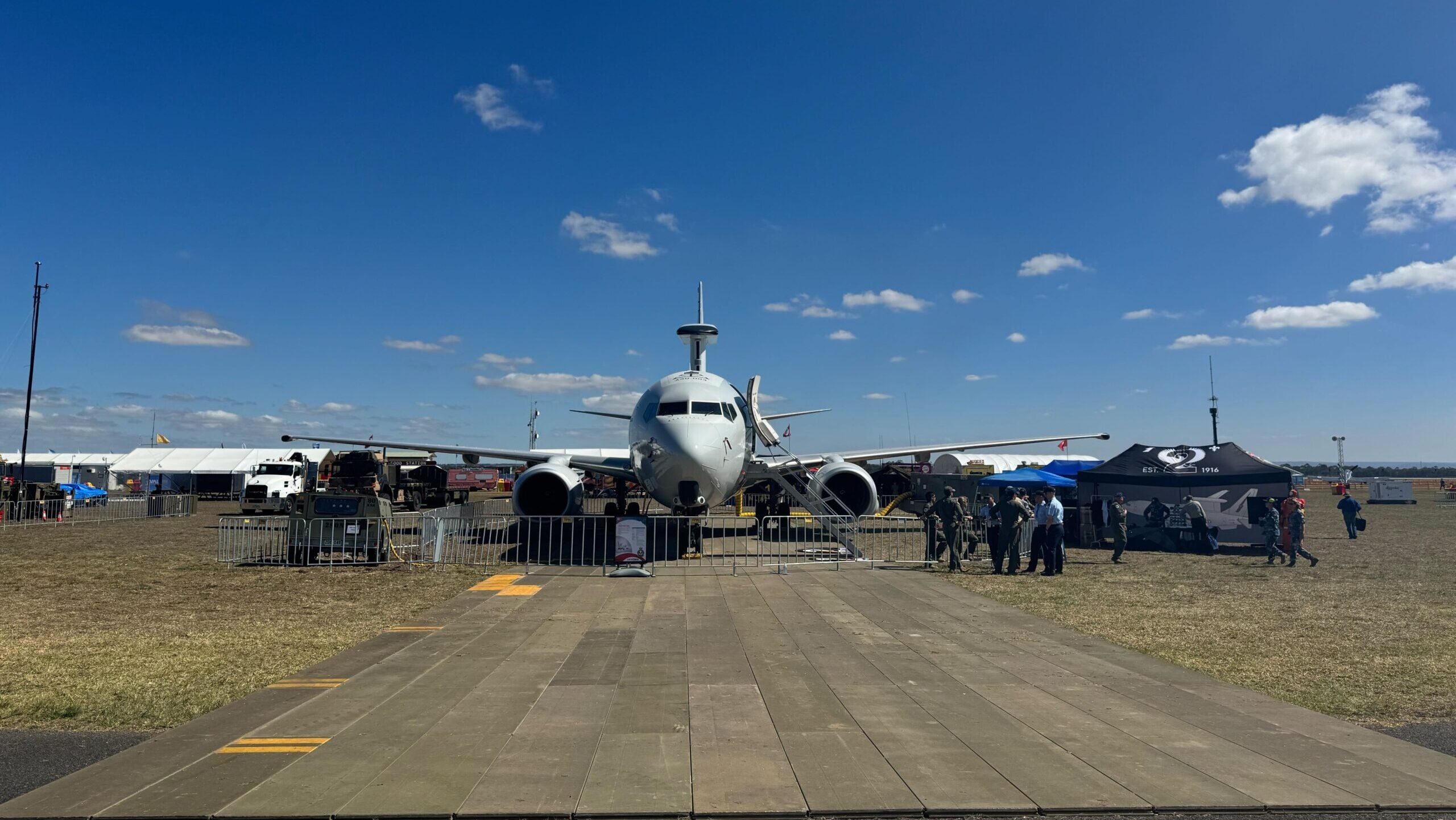
Boeing Air Force/DLA Defence Contracts
- Client / Contractor: US Air Force / Defence Logistics Agency (DLA) / Boeing
- Contract Value: Over $700 million, multi-year R&D and logistics support.
- Key Details: Two contracts covering long-term R&D and military logistics services. Specific program names remain classified.
- Strategic Impact: A sign of Boeing’s recovery in defence revenue, reflecting strong demand in the aerospace and defence sector for FY2026. It marks an attempt to rebuild trust with the Pentagon following recent management changes.
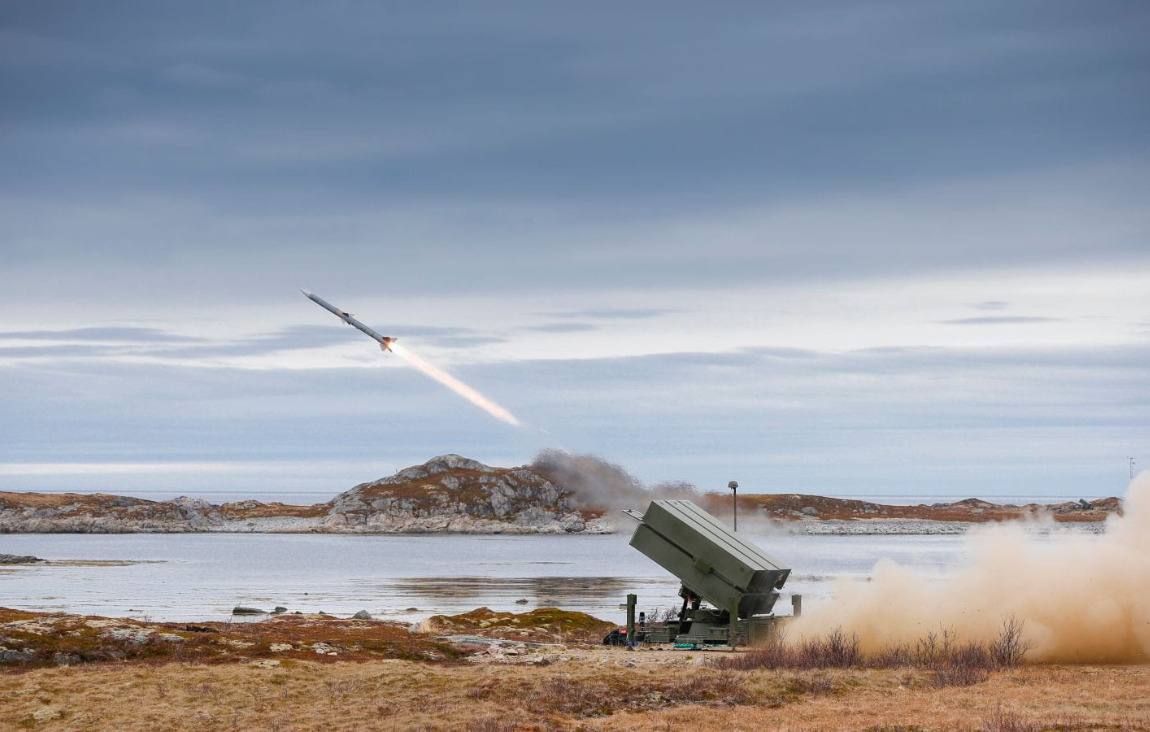
Raytheon NASAMS Kuwait FMS
- Client / Contractor: US Army / Raytheon (Kuwait via FMS)
- Contract Value: $1.02 billion for multi-fire control system production.
- Key Details: Raytheon will produce and deliver NASAMS (medium-range air defence system) fire control units to Kuwait as part of an FMS agreement to bolster allied air defence.
- Strategic Impact: Part of regional air defence modernization in the Middle East and a signal of strengthened US partnerships in the Gulf. It expands Raytheon’s air defence export portfolio.
Space Industry Trends
Blue Origin New Glenn Explosion and Pad Damage
- Entity: Blue Origin
- Vehicle / Payload: New Glenn rocket (Cape Canaveral Space Force Station Pad 36B)
- Outcome: A "non-nominal" event occurred during a hot-fire test on May 28, resulting in an explosion that severely damaged the pad. While Blue Origin initially called it an "anomaly," footage and reports from Reuters confirm a full explosion. Months of delay are expected.
- Industry Impact: Short-term spike in SpaceX launch market share. Risks to Amazon’s Kuiper internet project and increased likelihood of the Blue Moon lander being excluded from NASA’s Artemis III program. It underscores concerns regarding the government’s over-reliance on SpaceX for national security.

SpaceX Starlink 10-53 and ULA Amazon Leo 7 Launches
- Entities: SpaceX (Starlink) / ULA (Amazon Leo)
- Vehicles: SpaceX Falcon 9 / ULA Atlas V
- Outcome: Both companies successfully launched missions on May 29, 24 hours after the Blue Origin incident.
- Industry Impact: A testament to the resilience of the launch industry. It accelerates the deployment of Amazon’s Kuiper network and reaffirms SpaceX’s ability to maintain high launch cadence, further widening the trust gap in the commercial space market.

NASA Artemis III Risks
- Entities: NASA / Blue Origin / SpaceX
- Status: The New Glenn explosion significantly delays the Blue Moon lander development. NASA may push the Artemis III landing from late 2025 to 2027 or later. Reports suggest Blue Origin’s inability to launch early makes their exclusion from the Artemis III contract increasingly likely.
- Industry Impact: Deepens NASA’s 100% reliance on SpaceX for Moon missions, signalling a failure in diversification strategies and casting doubt on Blue Origin’s heavy-lift competitiveness.
Geopolitical and Policy Context
FY2026 US Defence Spending
On December 17, 2025, the US Senate passed a compromise version of the FY2026 National Defense Authorization Act (NDAA), authorizing approximately $901 billion in military spending. This historic legislation includes a 4% pay raise for troops and support for Ukraine. While the NDAA authorizes programs, it does not allocate funding; Congress must still pass separate spending bills before the fiscal year ends on September 30, 2026. This budget reflects the strengthening of the Indo-Pacific strategy and modernization of space and cyber forces.
SpaceX Space Security Monopoly
The $4.16 billion SB-AMTI contract and market shifts following the Blue Origin explosion signify that the US government is becoming increasingly dependent on a single provider for space-based early warning and intelligence. This contradicts the Pentagon’s stated goal of technical diversification.
Boeing and Raytheon Defence Base
The recent contract wins confirm that the Pentagon’s reliance on the "Big Three" (Lockheed Martin, Raytheon, Boeing) continues to deepen. These firms are expected to dominate large contracts throughout FY2026, raising barriers to entry for smaller contractors.
Comparative Insights
| Item | SpaceX | ULA | Blue Origin |
|---|---|---|---|
| Contracts (Last 72h) | $4.16B (SB-AMTI) | $0 | $0 |
| Launch Success (May 29) | Success (Starlink) | Success (Amazon) | Explosion |
| Space Force Trust | Extremely High | Medium-High | Extremely Low |
| Competition Position | Increasing Monopoly | Market Stability | High Risk |
What to Watch Next
- Blue Origin Recovery Timeline: Expected mid-June announcement regarding Pad 36B.
- Additional Pentagon Space Contracts: Further announcements expected by late June to implement the multi-provider strategy.
- Amazon Kuiper Deployment: Acceleration of Kuiper network deployment following ULA successes.
- Artemis III Schedule: Formal NASA announcement on schedule revisions in early June.
Guide for Readers
- Investors: Expect continued valuation growth for SpaceX (secondary market). Defence profitability for LMT and RTX looks solid. Blue Origin shows long-term structural weakness.
- Policy/Strategy: Re-evaluate the need for programs to cultivate new space launch competitors to mitigate single-provider risk.
- Supply Chain: Opportunities for smaller players remain limited due to Big Three dominance; look for niche 8(a) or SBA opportunities.
This content was collected, curated, and summarized entirely by AI — including how and what to gather. It may contain inaccuracies. Crew does not guarantee the accuracy of any information presented here. Always verify facts on your own before acting on them. Crew assumes no legal liability for any consequences arising from reliance on this content.
Powered by
