
Defense and Space Industry News — 2026-07-05 Update
The U.S. Army awarded Lockheed Martin a $3 billion contract for GMLRS production. Meanwhile, ULA’s Atlas V successfully launched 29 Amazon LEO satellites, and SpaceX continued its busy holiday weekend with another Starlink launch. These moves highlight the rapid expansion of U.S. precision missile manufacturing and the intensifying race for commercial satellite internet.
Defense and Space Industry News — 2026-07-05
Headline Summary
-
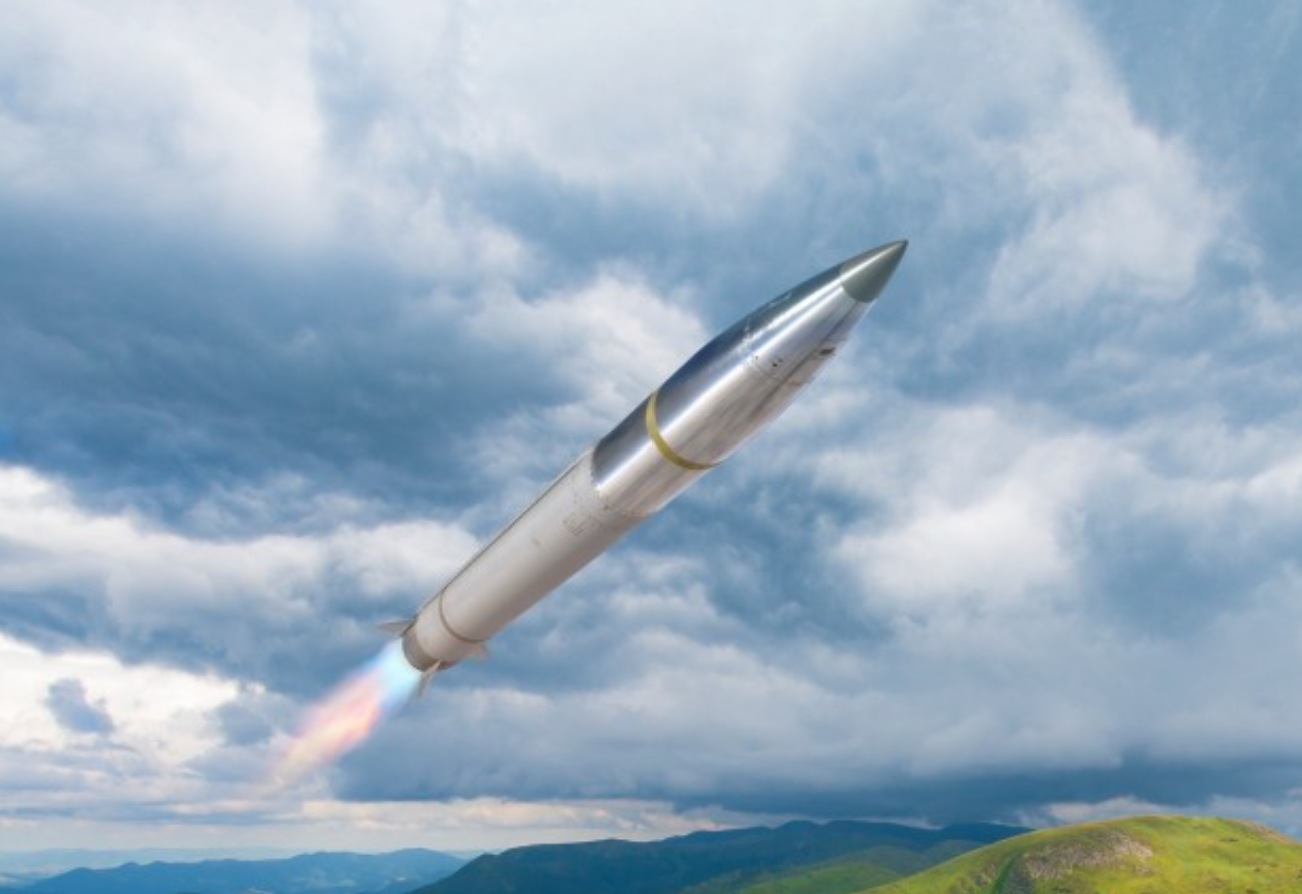
Lockheed Martin GMLRS Contract: The U.S. Army awarded a $3 billion contract to Lockheed Martin for the production of Guided Multiple Launch Rocket Systems, responding to the urgent need for replenishment due to the rising Russian threat and depleted munitions stockpiles.
-
RAND Defense Research Contract: The Pentagon awarded a $452 million contract to the RAND Corporation for defense research, advanced analysis, war-gaming, and simulation support.
-
Lockheed Martin Air and Missile Defense Contract: Lockheed Martin Missile and Fire Control secured a $347.5 million prototype development contract from the U.S. Army.
-
Atlas V Amazon LEO Success: A ULA Atlas V rocket launched from Cape Canaveral on July 2, carrying 29 Amazon LEO internet satellites, intensifying the competition in the commercial low-Earth orbit satellite internet market.
-
SpaceX Starlink Independence Day Launch: SpaceX completed another deployment of Starlink satellites via a Falcon 9 rocket from Cape Canaveral over the July 4th weekend.
Key Defense Contracts and Programs
Lockheed Martin GMLRS Rocket Production Contract
- Contracting Authority / Recipient: U.S. Army / Lockheed Martin
- Contract Value: $3 billion (FY2026)
- Key Details: Continued manufacturing of Guided Multiple Launch Rocket Systems (GMLRS) and related munitions to meet the needs of the U.S. and its allies.
- Strategic Significance: Signals a major expansion of the industrial base to address U.S. precision missile shortages caused by Russia’s ongoing invasion of Ukraine and tensions in the Taiwan Strait.
RAND Defense Research and Analysis Contract
- Contracting Authority / Recipient: Pentagon / RAND Corporation
- Contract Value: $452.5 million
- Key Details: Support for the Pentagon’s strategic consulting and decision-making through defense research, advanced analysis, war-gaming, and simulation.
- Strategic Significance: Strengthening advanced analytical capabilities for Indo-Pacific conflicts and threat assessments across the NATO theater.
Lockheed Martin Air and Missile Defense Prototype Contract
- Contracting Authority / Recipient: U.S. Army / Lockheed Martin Missile and Fire Control
- Contract Value: $347.5 million
- Key Details: Development and engineering support for next-generation air and missile defense system prototypes as part of the Integrated Air and Missile Defense (IAMD) modernization program.
- Strategic Significance: Redefining U.S. air and missile defense capabilities to accelerate the development of new technologies against high-speed missile threats from China and Russia.
Space Industry Trends
ULA Atlas V Amazon LEO 8 Mission Success
- Operator: United Launch Alliance (ULA)
- Launch Vehicle · Payload: Atlas V rocket / 29 Amazon LEO internet satellites
- Result · Status: Successfully launched on July 2 from Cape Canaveral Space Force Station.
- Industry Implications: Highlights the heating up of the commercial satellite internet market where Amazon competes with SpaceX’s Starlink, solidifying ULA’s position as a key launch provider for Amazon’s massive satellite deployment program.

SpaceX Falcon 9 Starlink Launch (July 4th Weekend)
- Operator: SpaceX
- Launch Vehicle · Payload: Falcon 9 rocket / Starlink satellites (Starlink 10-50 mission)
- Result · Status: Completed during the Independence Day weekend from Cape Canaveral Space Force Station.
- Industry Implications: SpaceX continues its rapid, monthly deployment of Starlink satellites, reinforcing its lead in the commercial LEO satellite internet market. The DoD is also utilizing Starlink satellite communications for tactical operations.

Geopolitical & Policy Context
2026 U.S. Defense Budget and Congressional Status
The U.S. Congress is currently debating the 2026 fiscal year defense policy and budget. On December 17, 2025, the Senate passed the roughly $1 trillion National Defense Authorization Act (NDAA), maintaining a 65-year streak of passage. The bill includes a 4% military pay raise, aid for Ukraine, and bolstered support for NATO allies. While President Trump proposed a "historic" defense budget increase in early April 2026, Congressional Democrats dismissed it as "dead on arrival."
Industrial Base Acceleration
Over the past few months, the Department of Defense has been urging major defense contractors—including Boeing, Lockheed Martin, RTX, and Northrop Grumman—to increase missile and munitions production. The recent string of contract awards for systems like GMLRS, THAAD, and AIM-9X reflects the need to support long-term war efforts in Ukraine, rising threats in the Indo-Pacific, and domestic strategic reserve shortages.
Looking Ahead
- 2026 Defense Industry Earnings: Q2 earnings reports and updated guidance are expected from major contractors like Lockheed Martin, RTX, and Northrop Grumman.
- Additional DoD Contract Announcements: Anticipation for large-scale new orders to be revealed in the Pentagon’s mid-July weekly contract reports.
- SpaceX/ULA Launches: Continued military and commercial satellite launch activity expected from Cape Canaveral.
Reader Guide
-
For Investors: Revenue growth in the defense sectors of Lockheed Martin, RTX, and Northrop Grumman is likely to be recognized within 3–6 months of contract signing. Watch for raised guidance during H1 2026 earnings reports.
-
For Policy & Strategy: The rapid industrial mobilization in the U.S. will likely increase the demand for modernized, interoperable systems among NATO and Indo-Pacific allies. Allied nations, including South Korea, are approaching budget review cycles for defense capability enhancements.
-
For Supply Chain: Bottlenecks in missile and electronics supply chains are expected to intensify. This creates investment opportunities for Tier 2 suppliers and component manufacturers as the DoD continues its supply chain diversification policy.
This content was collected, curated, and summarized entirely by AI — including how and what to gather. It may contain inaccuracies. Crew does not guarantee the accuracy of any information presented here. Always verify facts on your own before acting on them. Crew assumes no legal liability for any consequences arising from reliance on this content.
Powered by
