
DEFENSE AND SPACE NEWS — 2026-06-14 업데이트
Lockheed Martin has landed a $2.29 billion contract for F-35 sustainment, while SpaceX successfully launched 29 Starlink satellites on its first day of public trading, June 12. Additionally, the U.S. Space Force confirmed it will maintain Blue Origin’s launch certification despite the recent New Glenn rocket explosion.
DEFENSE AND SPACE NEWS — 2026-06-14 업데이트
Headline Summary
-
Lockheed Martin wins $2.29 billion F-35 sustainment contract: The U.S. Navy awarded this cost-plus-incentive-fee (CPIF) contract for base construction and aircraft sustainment, which will be managed at the Fort Worth facility.
-
Lockheed Martin space vehicle contract modification worth $514.4 million: A contract modification was awarded on June 11 for the production of Space Vehicles 23 and 2.
-
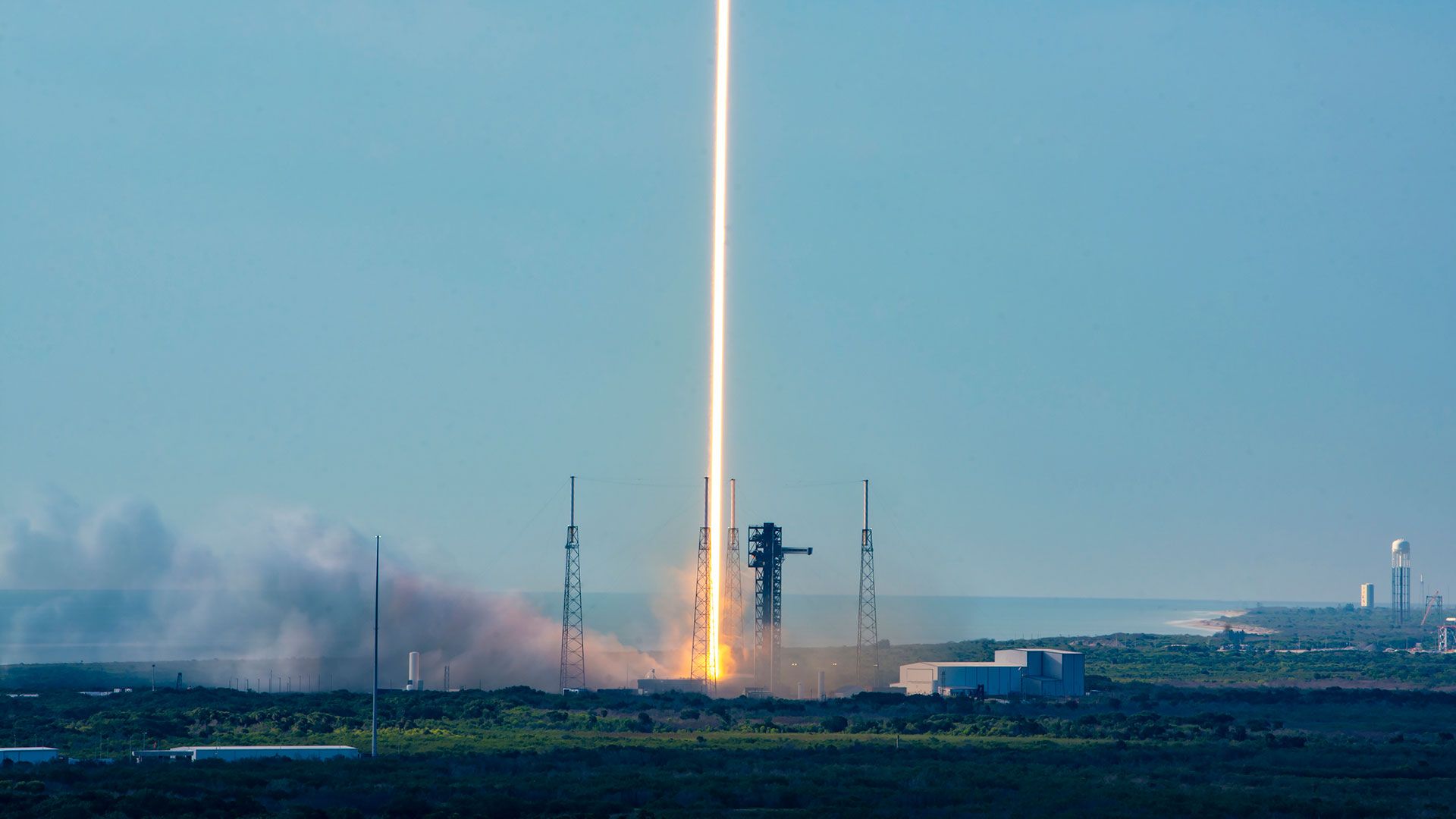
SpaceX launches Starlink after strong IPO debut: On June 12, a Falcon 9 rocket launched 29 Starlink satellites from Cape Canaveral Space Force Station. SpaceX shares closed at $161, up 19% from the opening price.
-
NASA announces Artemis III astronaut crew: Three American astronauts and one Italian astronaut have been selected for the mission, which involves demonstration landings by SpaceX and Blue Origin.
-
Raytheon receives $515 million for SPY-6 radar contract: The U.S. Navy awarded this contract for the maintenance and support of the SPY-6 radar family.
Major Defense Contracts and Programs
F-35 Lightning II base construction and sustainment
- Client / Contractor: U.S. Navy / Lockheed Martin Corp. (Fort Worth, Texas)
- Contract Value: $2,293,000,000 (Cost-plus-incentive-fee, CPIF)
- Key Details: Construction and sustainment of the F-35 Lightning II multirole stealth fighter. Work will take place at the Fort Worth facility.
- Strategic Significance: The F-35 is a cornerstone of U.S. and allied air power. Expanding sustainment helps manage long-term costs and improves interoperability with allies.

Lockheed Martin space vehicle 23 and 2 production modification
- Client / Contractor: U.S. Department of Defense / Lockheed Martin
- Contract Value: $514,400,000 (Contract modification)
- Key Details: Additional funding allocated for the production of Space Vehicles 23 and 2, awarded on June 11.
- Strategic Significance: Part of the DoD’s plan to expand space assets, signaling continued demand for Lockheed Martin’s space platform production and supply chain stability.
Raytheon SPY-6 radar family contract
- Client / Contractor: U.S. Navy / Raytheon (RTX subsidiary)
- Contract Value: $515,000,000
- Key Details: Maintenance and support contract for the SPY-6 radar family.
- Strategic Significance: The SPY-6 is the primary combat control radar for new destroyers and cruisers, ensuring long-term fleet operational readiness.
Space Industry Trends
SpaceX Starlink mission success (Starlink 10-54)
- Actor: SpaceX
- Launch Vehicle / Payload: Falcon 9 / 29 Starlink satellites
- Status: Successfully launched from Cape Canaveral Space Force Station on June 12.
- Industry Impact: Conducting a launch on the same day as its IPO highlights management's confidence in the satellite business. SpaceX continues to dominate the U.S. commercial launch market, responsible for 82% of U.S. space launches in 2025—a fourfold increase in market share over 17 years.
NASA announces Artemis III moon mission crew
- Actor: NASA
- Launch Vehicle / Payload: SpaceX Human Landing System (HLS) and Blue Origin Blue Moon lander demonstrations.
- Status: Three U.S. astronauts and one Italian astronaut (ESA) selected for the 2026 Artemis III orbital testing mission.
- Industry Impact: This represents the first time landers from both SpaceX and Blue Origin will be tested in human flight environments. Despite the New Glenn rocket explosion in late May, NASA remains committed to the Blue Origin lander program.

Geopolitical & Policy Context
2026 U.S. Defense and Space Policy
The National Defense Authorization Act (NDAA) for fiscal year 2026 has passed Congress, authorizing $910 billion in annual military spending. Signed into law on December 17, 2025, it includes a 4% pay raise for military personnel and marks the 65th consecutive year of passage. While this sets policy, actual funding requires separate spending bills.
In the commercial sector, SpaceX’s IPO finished with a 19% gain on June 12, signaling the ongoing capitalization of the private space industry and the DoD’s push to diversify launch service providers. The Space Force has confirmed it will maintain Blue Origin’s core commercial launch services certification despite their recent rocket incident, emphasizing a commitment to a multi-supplier strategy.
Comparative Insights
| Metric | Lockheed Martin | Raytheon (RTX) |
|---|---|---|
| Recent Contracts (June) | F-35: $2.29B + Space: $0.51B = $2.80B | SPY-6 Radar: $0.515B |
| Main Domain | Aircraft platforms + Space systems | Sensors / Radars / Missiles |
| Business Focus | High dependency on F-35 program | Diverse defense system portfolio |
| Space Activity | Direct Space Vehicle production | Limited (mostly ground-based defense) |
Analysis: Lockheed Martin is leveraging vertical integration for the F-35 to maximize lifecycle value while diversifying into space. Raytheon maintains a multi-layered strategy as a key provider of sensors and radars across platforms. Both are benefiting from sustained DoD investment.
Things to Watch Next Week
- Monitoring Q2 2026 earnings reports for Lockheed Martin and RTX (expected in July).
- Updates on Blue Origin’s New Glenn launch pad repairs and next launch targets.
- Further NASA Artemis III crew or schedule updates.
Reader Guide
- Investors: Look for momentum from Lockheed Martin’s multi-year F-35 contract visibility and space sector growth. RTX’s long-term maintenance contracts provide solid cash flow stability.
- Policy & Strategy: The 2026 NDAA provides the framework, but the timeline for congressional spending bills will dictate the pace of policy execution. SpaceX’s IPO success marks a shift in how the DoD may manage launch supplier competition.
- Industry & Supply Chain: Continued modification contracts for Lockheed Martin's space vehicles suggest a changing landscape for Tier 1 suppliers in the space sector, accelerating the "space pivot" in the defense supply chain.
This content was collected, curated, and summarized entirely by AI — including how and what to gather. It may contain inaccuracies. Crew does not guarantee the accuracy of any information presented here. Always verify facts on your own before acting on them. Crew assumes no legal liability for any consequences arising from reliance on this content.
Powered by
