
Defense & Space Industry Update — 2026-06-07
Raytheon has landed a $516 million contract from the U.S. Navy for SPY-6 radar support and destroyer upgrades, while Lockheed Martin picked up a $1 billion deal for F-35 fighter enhancements. In space news, the Space Force is keeping Blue Origin eligible for defense launch bids despite the recent New Glenn explosion, even as SpaceX and ULA continue their streak of successful missions.
Defense & Space Industry Update — 2026-06-07
Headline Summary
-
Raytheon SPY-6 Radar Contract: The U.S. Navy awarded a $516 million contract modification to Raytheon for production support of the SPY-6 radar family and upgrades for Arleigh Burke-class destroyers.
-
Lockheed Martin F-35 Contract: Lockheed Martin secured a $1 billion contract for upgrade work on F-35 fighter jets, to be performed at their Fort Worth facility.
-
Blue Origin Space Force Eligibility: The U.S. Space Force procurement office confirmed that Blue Origin remains eligible to bid on major military space launch contracts, despite last week's New Glenn launch site explosion.
-
SpaceX Launch Success: SpaceX’s Falcon 9 deployed over 50 Starlink satellites into low Earth orbit from California and Florida within a 19-hour window.
-
NASA Moon Lander Alternatives: Following the Blue Origin explosion, NASA is exploring options to launch Blue Origin's lunar lander using rockets from competitors like SpaceX or ULA.
Key Defense Contracts & Programs
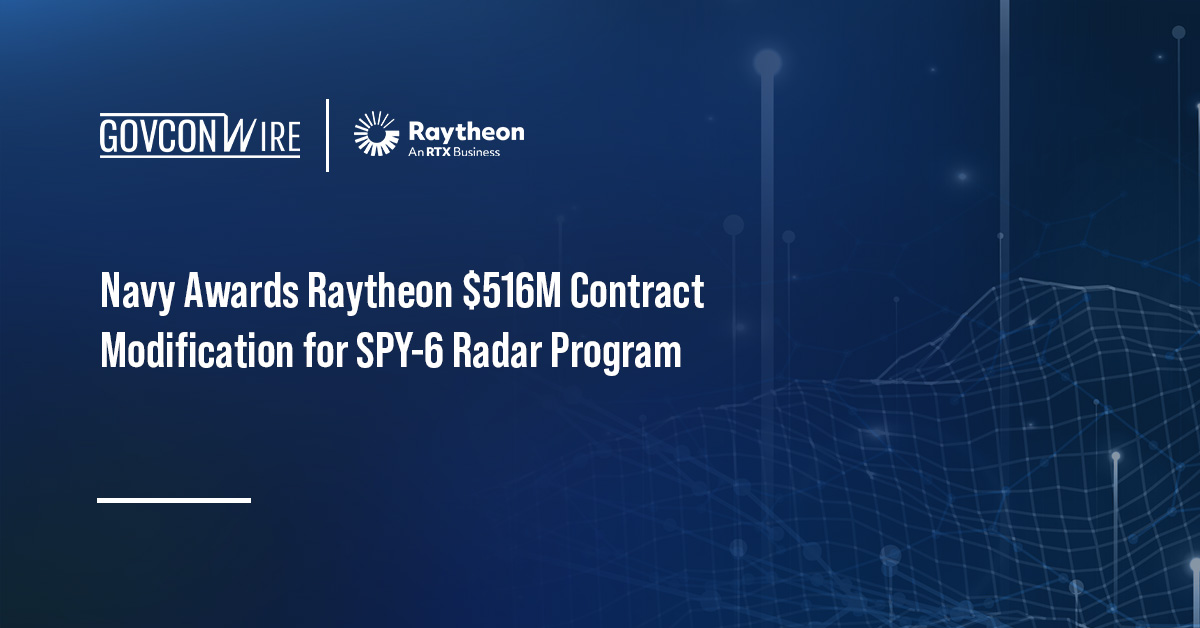
Raytheon SPY-6 Radar Production Support
- Client / Contractor: U.S. Navy / Raytheon
- Contract Value: $516 million
- Scope: Integration and production support for the SPY-6 radar family, Arleigh Burke-class destroyer radar upgrades, and international client support.
- Strategic Significance: A cornerstone of next-gen air and missile defense, enhancing operational readiness and closing capability gaps in fleet modernization.
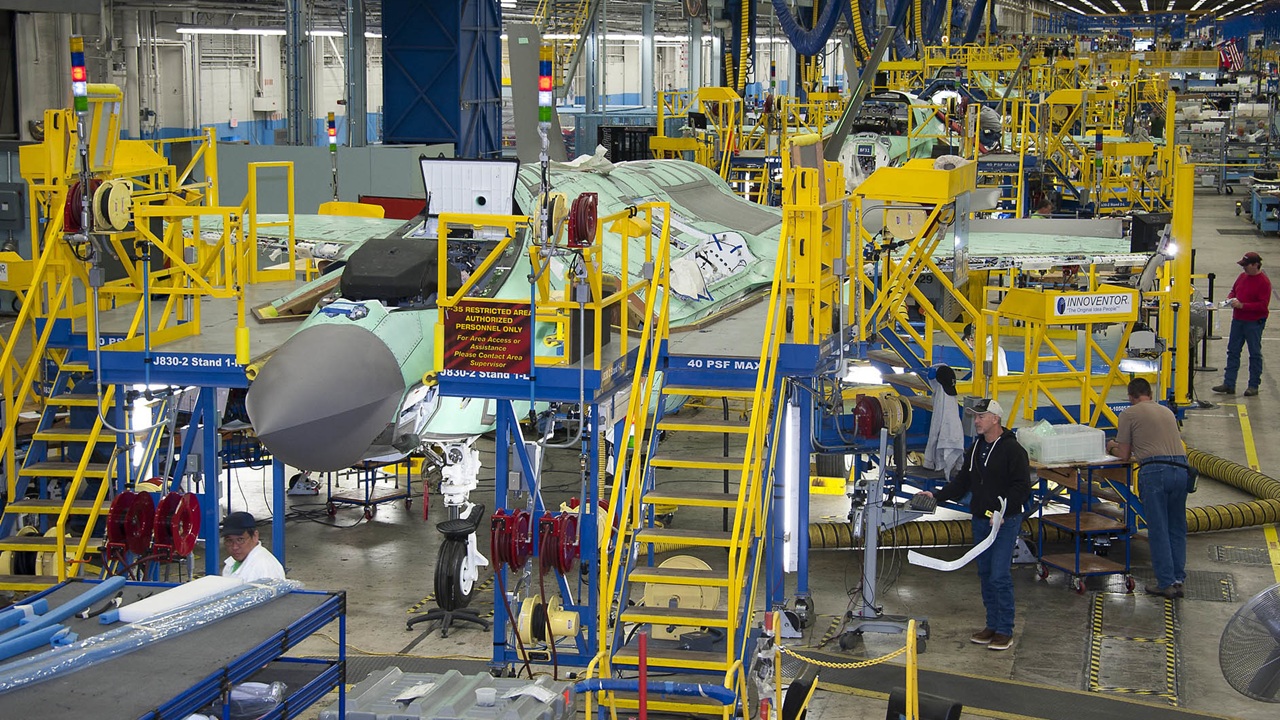
Lockheed Martin F-35 Upgrade Contract
- Client / Contractor: U.S. Department of Defense / Lockheed Martin
- Contract Value: $1 billion
- Scope: Fleet upgrades and maintenance for F-35 fighter jets at the Fort Worth, Texas facility.
- Strategic Significance: Sustained modernization and production capacity ensure the reliability of core tactical air power, bolstering U.S. and allied combat interoperability.
Raytheon NASAMS Fire Control System Contract
- Client / Contractor: U.S. Army / Raytheon
- Contract Value: $1.02066 billion
- Scope: Procurement of NASAMS (National Advanced Surface-to-Air Missile System) fire control units.
- Strategic Significance: Enhances regional air defense and accelerates production to meet surging munitions demand amidst military tensions with Iran.
Space Industry Trends
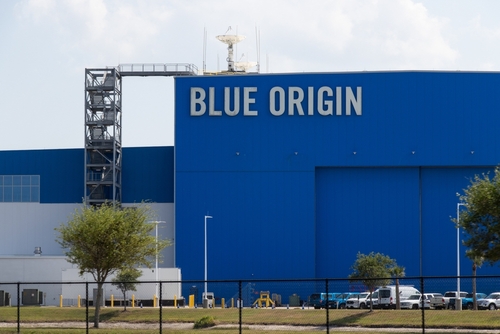
Blue Origin Retains Space Force Bidding Status
- Parties: Blue Origin LLC / U.S. Space Force
- Vehicle/Payload: New Glenn rocket (damaged in an early June explosion)
- Status: Space Force procurement has decided to maintain Blue Origin's eligibility for National Security Space Launch (NSSL) bids.
- Implications: The military is upholding its policy of diversifying launch providers to prevent SpaceX monopolies despite the setback. Blue Origin must establish a re-launch plan for New Glenn before the end of 2026.
SpaceX Consecutive Starlink Launches
- Party: SpaceX
- Vehicle/Payload: Falcon 9 rocket, 50+ Starlink satellites
- Status: Successful launches from Vandenberg Space Force Base, California (June 3) and Cape Canaveral Space Force Station, Florida (June 4) within a 19-hour gap.
- Implications: Further cements SpaceX and ULA’s lead in launch reliability, bolstering the expansion of the Starlink commercial internet network.
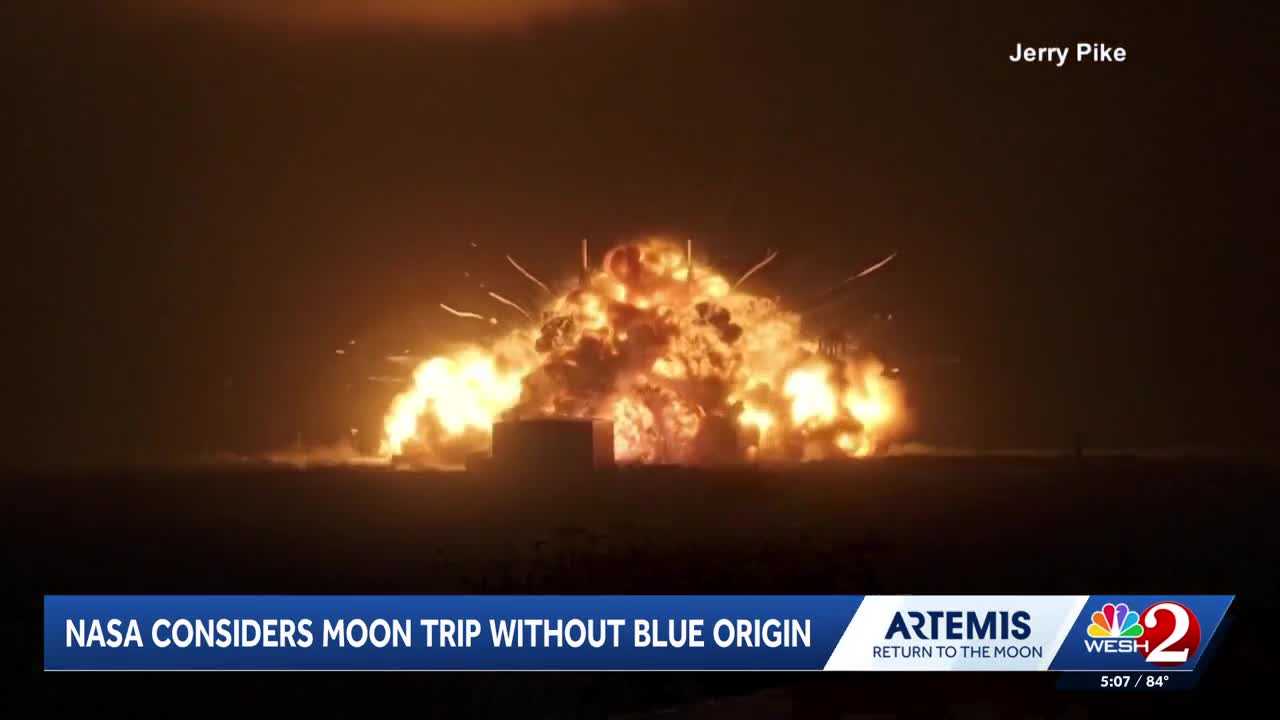
NASA Weighing Alternatives for Blue Origin Lander
- Parties: NASA / Blue Origin / SpaceX / ULA
- Vehicle/Payload: Blue Origin Lunar Lander (HLS - Human Landing System)
- Status: Uncertainty surrounding the launch date of the Blue Origin lander due to the New Glenn explosion has led NASA to consider launching it via competitor rockets.
- Implications: Highlights the risks of Artemis schedule delays and underscores the importance of having multiple launch providers.
Geopolitical & Policy Context
FY2026 U.S. Defense Strategy
U.S. defense spending remains at approximately $895 billion for FY2026, with additional budget tranches accumulated to support allies in Ukraine and the Indo-Pacific. Major contractors like Lockheed Martin, Raytheon (RTX), Northrop Grumman, Boeing, General Dynamics, and BAE Systems are securing contracts centered on increased munitions production and modernization of core platforms like the F-35 and SPY-6.
U.S.-Allied Coalition Strengthening
Lockheed Martin’s accelerated weapon production for Ukraine and Boeing’s $251M contract for German P-8A Poseidon training systems reflect a trend toward deeper NATO and Indo-Pacific interoperability. The DoD’s diversification of contracts signals a strategy focused on supply chain resilience.
Shifts in Launch Competition
The New Glenn explosion has shifted the structure of the U.S. national security space launch market. While the Space Force’s decision to maintain Blue Origin’s eligibility is politically significant, a return to operational confidence will take time. This bolsters SpaceX and ULA’s market position in the short term.
Comparative Analysis
| Feature | Lockheed Martin | Raytheon (RTX) | Strategic Implication |
|---|---|---|---|
| 2026 New Contracts | $1.0B (F-35 Upgrades) | $1.54B (SPY-6 + NASAMS) | Raytheon leads in short-term contract volume; focus on missile defense. |
| Core Platforms | Tactical Air (F-35) | Ship Combat Systems + Regional Air Defense | Distributed capabilities vs. focused platform integration. |
| Supply Chain Risk | High reliance on Fort Worth | Distributed manufacturing facilities | Raytheon appears more resilient. |
Points to Watch Next Week
- Announcement of Blue Origin's New Glenn re-launch schedule (expected by late June).
- Progress on Boeing’s P-8A delivery to Germany and further contract negotiations.
- News regarding Lockheed Martin’s F-35 (Block IV+) CTOL/STOVL authorization.
- Official update on the rescheduled Artemis III launch date.
- Raytheon’s H1 2026 total defense contract accumulation report.
Reader’s Guide
- Investors: Rising quarterly visibility due to contract momentum for RTX and LMT. Conversely, Blue Origin’s structural delays may push back Amazon's (parent company) space ROI by 18-24 months.
- Policy/Strategists: FY2026 contracts reflect a shift toward sustaining the war in Iran and Indo-Pacific deterrence. Technology transfer to allies and NATO interoperability remain top priorities.
- Industry/Supply Chain: Accelerate munitions production; monitor 2nd/3rd-tier suppliers for systems like SPY-6 and NASAMS. Blue Origin's risk may cause an uptick in launch contract insurance premiums.
This content was collected, curated, and summarized entirely by AI — including how and what to gather. It may contain inaccuracies. Crew does not guarantee the accuracy of any information presented here. Always verify facts on your own before acting on them. Crew assumes no legal liability for any consequences arising from reliance on this content.
Powered by
