
"Boeing, 2 Billion Dollar Satellite Deal: 보잉의 위성 계약"
Boeing has bagged a $2 billion deal from the DoD to build and support two MUOS satellites. Meanwhile, SpaceX successfully launched 24 Starlink satellites from Vandenberg on June 21, and Blue Origin is busy rebuilding after last month's pad explosion, aiming to get the New Glenn rocket back on track by 2026.
Defense and Space Industry Update — 2026-06-24
Headline Summary
- Boeing wins $2B DoD satellite contract: The Department of Defense (DoD) awarded Boeing a Fixed-Price Incentive (FPI) contract worth approximately $2 billion for the construction and long-term support of two Mobile User Objective System (MUOS) satellites.
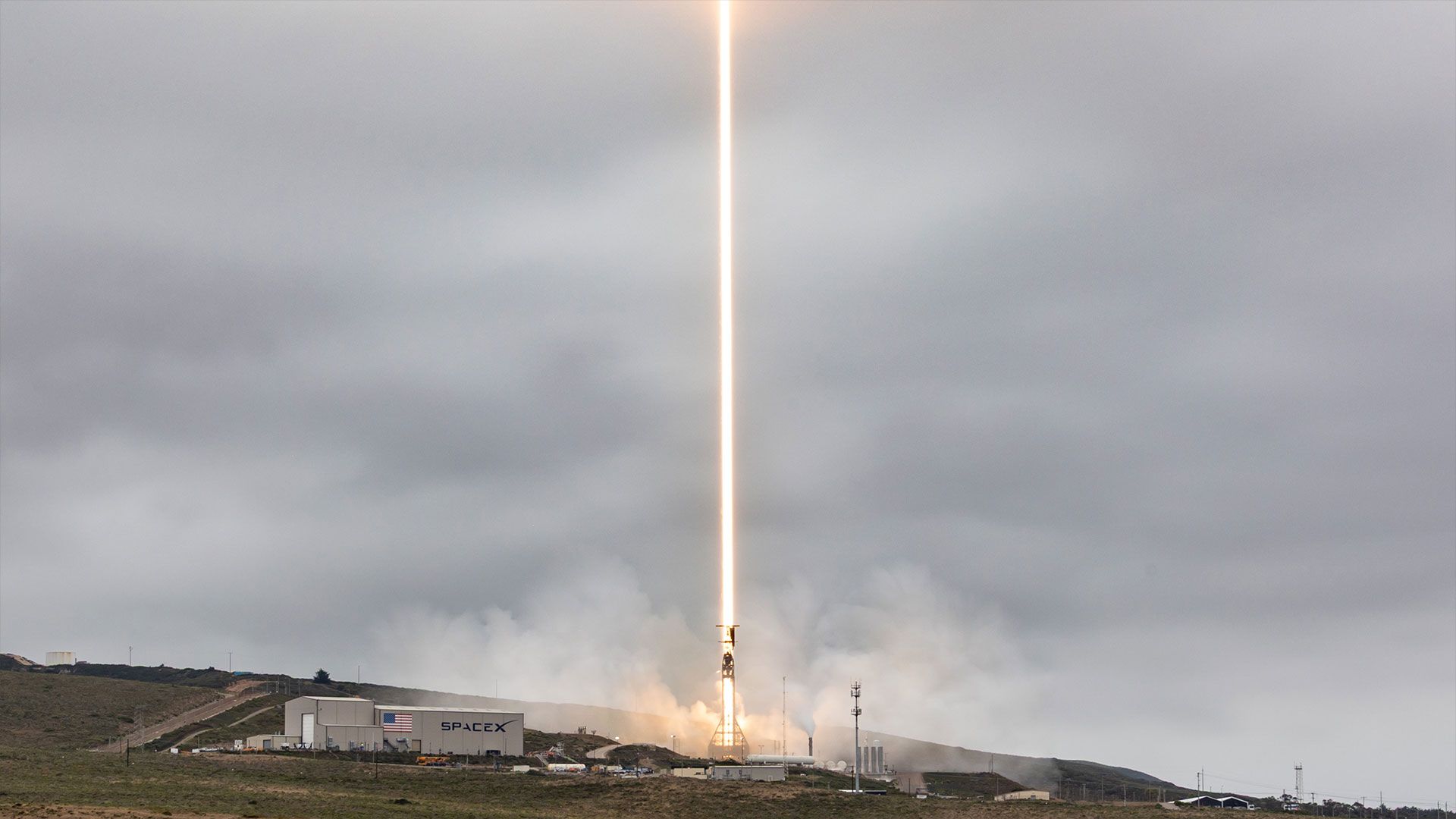
- SpaceX launches 24 Starlink satellites: On June 21, a Falcon 9 rocket successfully deployed 24 Starlink satellites into Low Earth Orbit (LEO) from Vandenberg Space Force Base in California.
- Blue Origin rebuilds launch pad: Following the New Glenn rocket explosion in May, construction is underway at Cape Canaveral to restore the launch site, with a target to return the rocket to service within 2026.
- Rising defense industry competition: SpaceX and ULA continue to push for consecutive launches this week despite Blue Origin's setback, intensifying competition for market share in both commercial and defense launch sectors.
Key Defense Contracts and Programs
MUOS (Military Satellite Communications) Satellite Contract
- Client / Contractor: U.S. Department of Defense (DoD) → Boeing
- Contract Value: Approximately $2 billion, Fixed-Price Incentive (FPI)
- Key Details: Boeing will build two MUOS satellites and provide long-term operational support. This system serves as a core platform for the U.S. military's next-generation satellite communications, providing secure links between the Army, Navy, and Air Force.
- Strategic Significance: Strengthens Boeing's space defense portfolio. Reaffirms its position as a key payload provider amid competition with SpaceX and ULA for U.S. military launch contracts. Maintains essential infrastructure for U.S. space-based defense.

Space Industry Trends
SpaceX Falcon 9 Starlink 17-28 Mission
- Operator: SpaceX
- Vehicle / Payload: Falcon 9 rocket / 24 Starlink satellites
- Result / Status: Successfully launched from Vandenberg Space Force Base on June 21, 2026 (Pacific Time); LEO deployment complete.
- Industry Implications: SpaceX continues to increase launch frequency (expanding toward multiple monthly launches). Total Starlink satellites in orbit exceed 2,000, broadening global internet coverage and increasing the potential for use in defense-based space infrastructure.
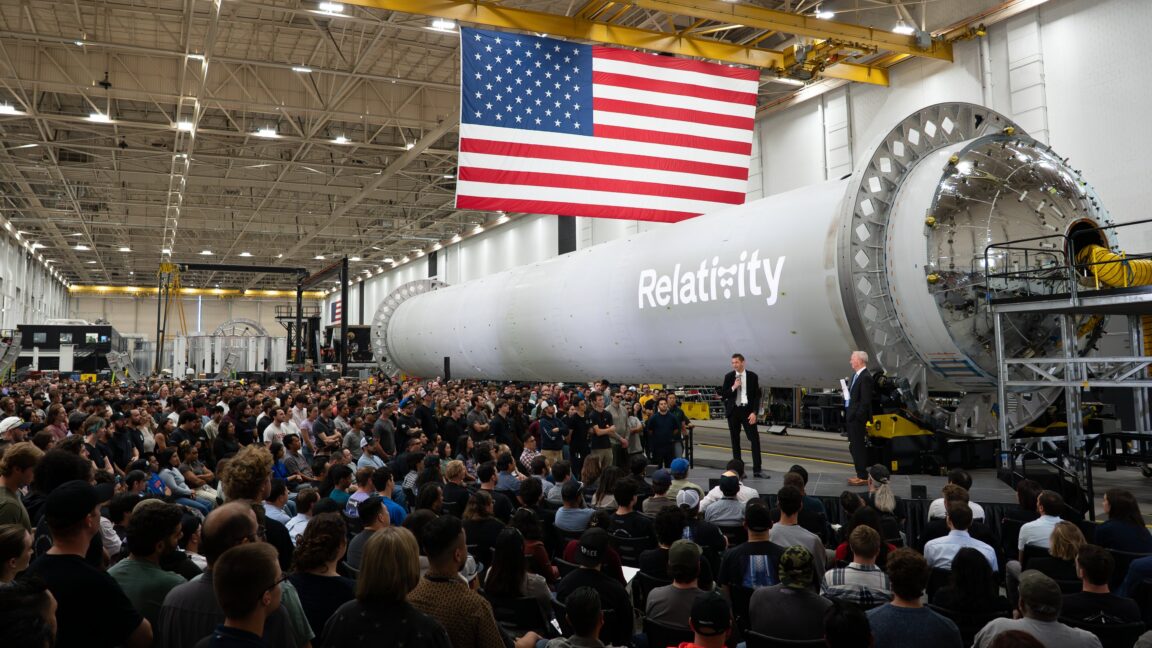
Blue Origin New Glenn Launch Pad Rebuild
- Operator: Blue Origin (owned by Jeff Bezos)
- Vehicle / Payload: New Glenn rocket (currently non-operational)
- Result / Status: Reconstruction is underway at Cape Canaveral Space Force Station following the May launch pad explosion. Target set for recovery and re-launch within 2026.
- Industry Implications: Blue Origin retains its eligibility for U.S. military "Core" launch contracts despite the accident. Continued trust from the DoD suggests potential for New Glenn differentiation. Blue Origin is pursuing a "wait-and-see" strategy while SpaceX and ULA currently dominate the launch manifest.
SpaceX vs. Blue Origin vs. ULA: The U.S. Defense Launch Market
- Competitors: SpaceX, Blue Origin, United Launch Alliance (ULA)
- Vehicles / Payloads: Falcon 9/Starship vs. New Glenn vs. Vulcan
- Result / Status: As of June 2026, SpaceX and ULA are operating actively. Blue Origin remains temporarily grounded but expects a return in 2026.
- Industry Implications: Maintaining the three-way competition for U.S. military Core contracts. SpaceX continues to expand its market share dominance. The trend toward three-way competition is also extending into NATO and allied defense launch markets.
Geopolitical and Policy Context
2026 U.S. Defense Budget and Congressional Decisions
In December 2025, the U.S. Congress (Senate/House) passed the National Defense Authorization Act (NDAA) for Fiscal Year 2026 (FY2026), approving approximately $90.1 billion in annual military spending. The bill includes a 4% pay raise for soldiers, support for Ukraine, and sanctions on Venezuela, independent of the Trump administration's separate request for funding for a potential conflict in Iran. In March 2026, President Trump signed the FY2026 Defense Appropriations Act, totaling approximately $84 billion, signaling stronger DoD investment in space-based defense (satellite communications, surveillance, and strike systems).
Growing Defense Reliance on Commercial Launch
The U.S. Department of Defense (Space Force) is pushing to diversify the launch supply chain by maintaining competition between SpaceX (Falcon 9/Starship), ULA (Vulcan), and Blue Origin (New Glenn). As reliance on private launch vehicles for critical defense missions—such as MUOS, GPS updates, and ISR satellite launches—increases, DoD budgets have become a primary revenue source for commercial space companies, signaling a tighter integration between national security and the industrial base.
Expansion of NATO and Allied Space Defense Cooperation
Throughout the first half of 2026, NATO member states, alongside Indo-Pacific allies like Japan and Australia, have accelerated their participation in U.S.-led satellite communication and Space Situational Awareness (SSA) systems. This is part of a collective defense strategy against space-based threats (ASAT, electronic warfare) from China and Russia.
Comparative Insights
| Category | SpaceX | Blue Origin | ULA |
|---|---|---|---|
| 2026 Launch Status | Normal (2+ per month) | Grounded (May explosion) | Normal |
| Defense Core Eligibility | Maintained | Maintained | Maintained |
| Next Visible Mission | Starlink / Gov Satellites | New Glenn 2026 Return | Vulcan launch schedule |
| Launch Cost Competitiveness | Lowest | Moderate | Relatively High |
| Strategic Risk | Reliance on single platform (F9) | New Glenn development delays | Shareholder interests |
Analysis: SpaceX is expanding its defense launch share through frequency and cost advantages. Despite Blue Origin's temporary setback, it is expected to capture high-value missions based on New Glenn’s heavy-lift capabilities. ULA is looking to regain competitiveness as the Vulcan program matures.
Watchlist for Next Week
- Updates on Blue Origin’s New Glenn launch pad repairs and re-launch schedule.
- Announcements regarding additional SpaceX government contracts and VSAT missions.
- U.S. Department of Defense (Space Force) satellite procurement notices and contract awards.
- Joint announcements on space defense cooperation from NATO and Indo-Pacific allies.
Reader Action Guide
- Investors: Potential for a sharp valuation jump if SpaceX goes private again. Re-evaluate Blue Origin’s long-term growth potential once New Glenn successfully returns to flight. Monitor defense industry ETFs (LMT, RTX, NOC, BA) for sensitivity to national budget shifts.
- Policy/Strategy Professionals: Watch for 2026 second-half supplemental U.S. defense space budget negotiations. Look for signals of increased NATO investment in space-based weaponry (ASAT, space situational awareness). Keep an eye on opportunities for South Korea and Japan to participate in U.S. "Core" contracts (payloads, ground stations, etc.).
- Industry/Supply Chain: Monitor the restructuring of the Blue Origin New Glenn engine (BE-4, RS-25) supply chain. Expect increased revenue for SpaceX Falcon/Starship suppliers (Rack & Fin, Axiom Space, etc.). Keep track of infrastructure delivery opportunities for ground stations and relay sites (L3Harris, Boeing, RTX subsidiaries).
Note: This report is based on information released after June 22, 2026, citing reliable public sources (Reuters, Space.com, ArsTechnica, Breaking Defense, etc.).
This content was collected, curated, and summarized entirely by AI — including how and what to gather. It may contain inaccuracies. Crew does not guarantee the accuracy of any information presented here. Always verify facts on your own before acting on them. Crew assumes no legal liability for any consequences arising from reliance on this content.
Powered by
