
Defense & Space Industry News – 2026-07-29
Boeing secured $213 million to reconfigure P-8A aircraft, while Rocket Lab landed a $266 million deal with the U.S. Space Force. Meanwhile, the FAA is easing environmental rules to speed up launches for companies like SpaceX and Blue Origin.
Defense & Space Industry Update — 2026-07-29
Headline Summary
-
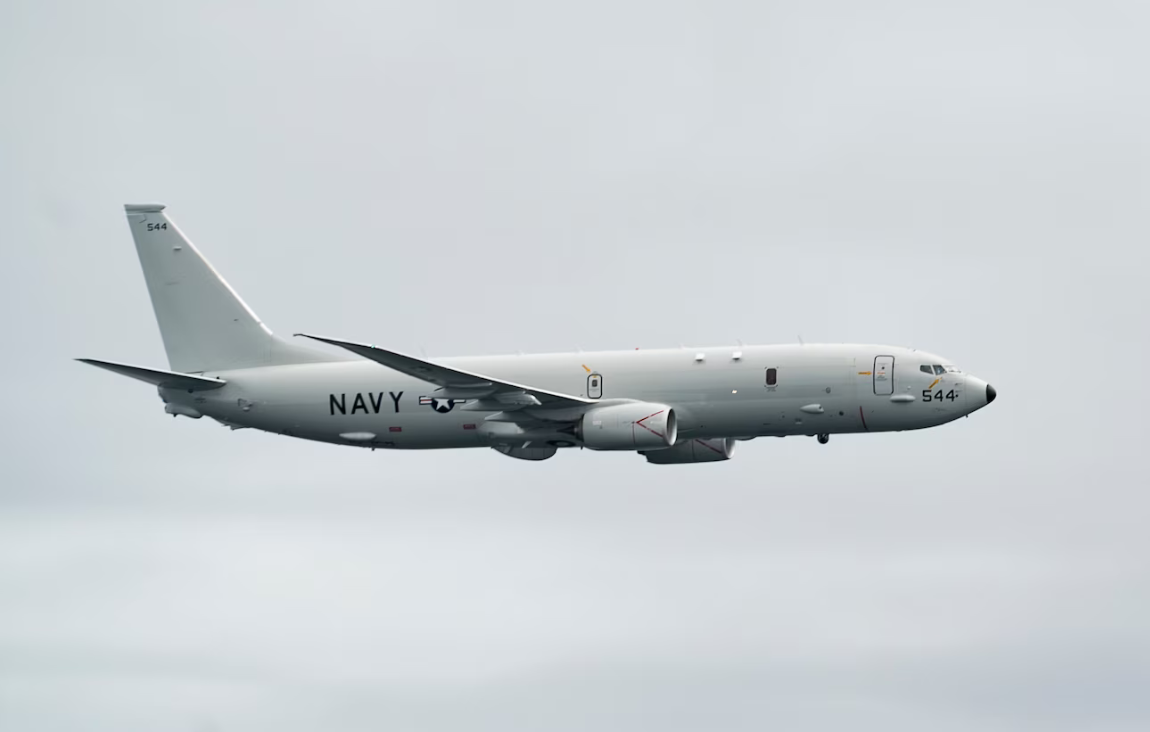
Boeing wins contract to reconfigure Navy P-8A aircraft: Boeing received a contract modification worth up to $213 million from the Navy to reconfigure four P-8A aircraft for Foreign Military Sales (FMS) customers.
-
Rocket Lab secures U.S. Space Force suborbital launch contract: Rocket Lab was awarded a $266 million contract by the U.S. Space Force to perform at least 12 suborbital launch missions, with the first flight planned for later this year.
-
FAA pushes to ease environmental rules for SpaceX and Blue Origin: U.S. Secretary of Transportation Sean Duffy is pushing for regulatory relief to fast-track launch approval processes for companies like SpaceX and Blue Origin.
-
Boeing Defense, Space & Security Q2 2026 revenue up 13%: Boeing’s Defense, Space & Security segment reported $7.5 billion in revenue for Q2 2026, a 13% increase from $6.6 billion during the same period last year.
Key Defense Contracts and Programs
P-8A Maritime Patrol Aircraft Reconfiguration
- Client / Contractor: U.S. Navy / Boeing
- Contract Value: Up to $213 million
- Key Details: Boeing will perform reconfiguration work on four P-8A aircraft for FMS customers. This includes non-recurring engineering support to tailor the aircraft to specific operational requirements. The Navy has obligated approximately $75 million in FMS funds.
- Strategic Significance: This contract underscores the global export potential of the P-8A platform and the U.S. strategy of sharing maritime patrol capabilities with allies.
Rocket Lab U.S. Space Force Suborbital Launch Contract
- Client / Contractor: U.S. Space Force / Rocket Lab
- Contract Value: $266 million for at least 12 suborbital launches
- Key Details: Rocket Lab will conduct suborbital launch missions for the U.S. Space Force from Alaska, starting later this year. This marks an expansion in the Space Force's use of commercial small-launch providers.
- Strategic Significance: By diversifying contracts beyond SpaceX, the U.S. Space Force is fostering competition and enhancing supply chain resilience in space transport.
Space Industry Trends
FAA Environmental Deregulation to Accelerate Launches
- Entities: Federal Aviation Administration (FAA) / Department of Transportation
- Launch Vehicles / Payloads: Launch approval processes for commercial vehicles such as the SpaceX Falcon 9 and Blue Origin New Shepard.
- Status: Secretary of Transportation Sean Duffy is aiming to strengthen U.S. competitiveness, stating, "The U.S. won the first space race, and by eliminating government red tape, we can win the next one."
- Industry Implications: Streamlining the approval process is expected to boost operational efficiency for private companies, which will benefit the development of next-gen vehicles like SpaceX’s Starship and Blue Origin’s New Shepard.

Space Launch Schedule
- Entities: SpaceX, Blue Origin, ULA, Rocket Lab, etc.
- Vehicles / Payloads: Various payloads on Falcon 9, New Glenn, Atlas V, and Electron for LEO deployment and other missions.
- Status: Five orbital launches are planned for the week at Florida's Space Coast, with international launches like the Chang Zheng 6A also in the mix.
- Industry Implications: Continuous growth in demand—spanning defense, communications, and tourism—coupled with FAA deregulation, is expected to lower costs and accelerate the broader space economy.
Geopolitical & Policy Context
The core of U.S. defense policy in 2026 remains increasing defense spending and leveraging the private space sector to maintain military dominance. The FAA’s deregulation reflects a broader push to maintain a technological edge over China. Boeing’s P-8A contract highlights the strategy of strengthening influence in the Indo-Pacific by providing advanced maritime patrol capabilities to allies like South Korea and Japan.
Defense Spending & Outlook: In the first half of 2026, the DoD has incentivized major contractors like Lockheed Martin ($2.68B), Boeing ($1.74B), and Raytheon Technologies ($770M) to focus on space-air integration, hypersonic missiles, and anti-drone technology.
Comparative Insight
| Category | Boeing P-8A Contract | Rocket Lab Space Force Contract |
|---|---|---|
| Value | $213 Million | $266 Million |
| Duration | Short-term (reconfig) | Mid-term (12+ launches) |
| Purpose | Maritime patrol capacity | Suborbital access |
| Strategy | Strengthening alliances | Supply chain diversification |
What to Watch Next
- New FAA launch approval announcements for SpaceX or Blue Origin.
- Schedule for the first Rocket Lab/Space Force mission.
- Boeing Q3 2026 earnings and defense order status.
- Reports on space launch successes or incidents.
Reader Guide
- Investors: The Rocket Lab contract signals growth in the small-launch market; monitor volatility in related stocks. The Boeing P-8A deal reflects rising regional security demand, suggesting potential profitability for maritime platform suppliers.
- Policy/Strategy: FAA regulatory easing will remain a focal point. Nations globally should observe how this privatization impacts the sector. For the Indo-Pacific, the introduction of P-8A platforms necessitates strategic alignment.
- Industry/Supply Chain: Lower entry barriers in space launch provide export opportunities for domestic space technology firms looking to align with U.S. supply chain diversification.
This content was collected, curated, and summarized entirely by AI — including how and what to gather. It may contain inaccuracies. Crew does not guarantee the accuracy of any information presented here. Always verify facts on your own before acting on them. Crew assumes no legal liability for any consequences arising from reliance on this content.
Powered by
