
방위산업 업데이트: 레이시온 5억 달러 계약, 우주발사 경쟁 재편
Raytheon Technologies has landed a $515 million contract for the U.S. Navy's SPY-6 radar family integration and production support. Meanwhile, the space launch market is being reordered following Blue Origin's NewGlenn rocket explosion on May 29, with SpaceX and ULA capitalizing on successful launches the same day. At Germany's Berlin Air Show, aerial combat drone (CCA) developers are intensifying competition as the FCAS program collapses.
Defense and Space Industry Update — June 11, 2026
Headline Summary
-
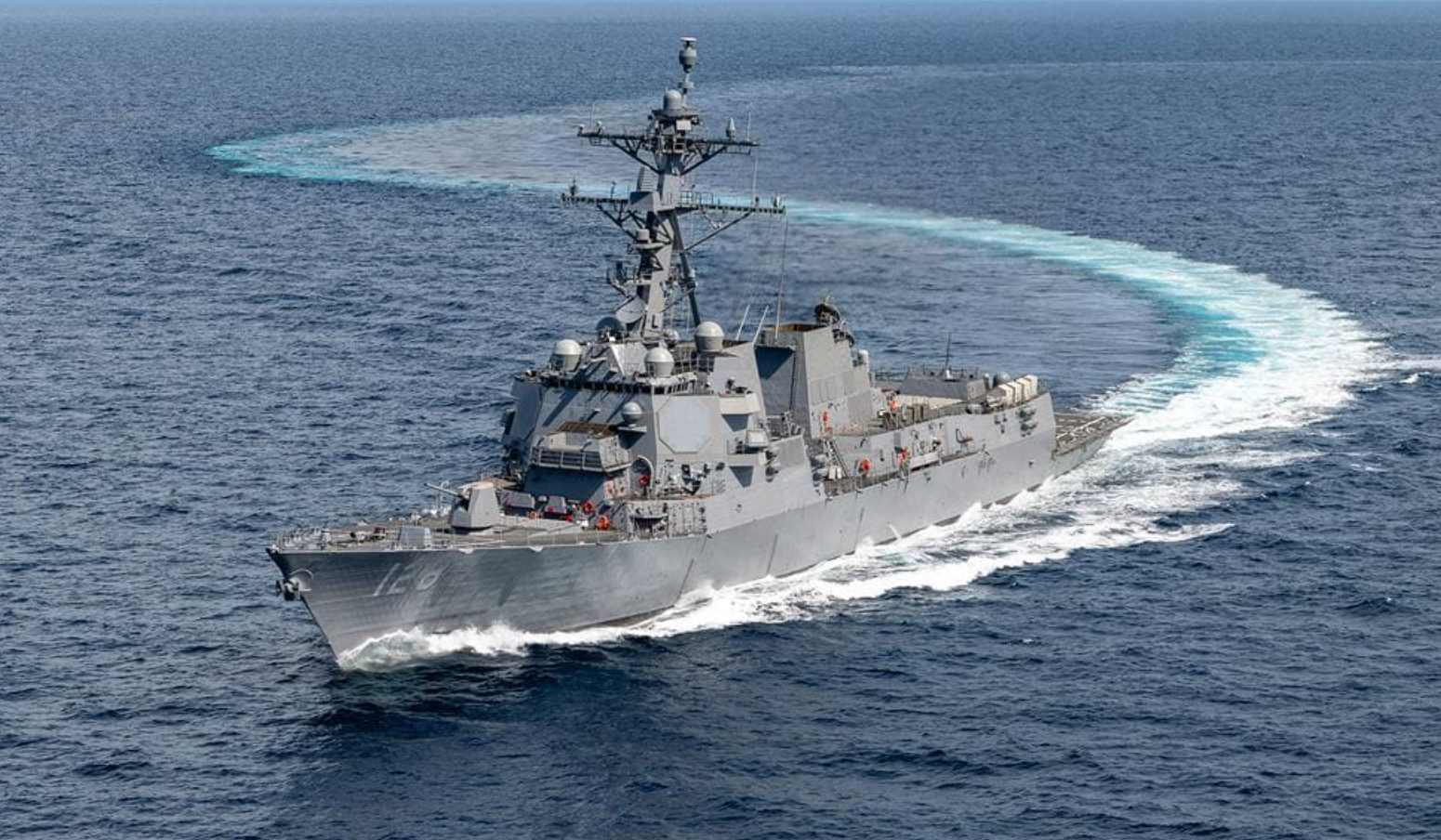
Raytheon Secures $515 Million SPY-6 Radar Contract: The U.S. Navy awarded RTX's Raytheon division a contract on June 3 for SPY-6 Family radar integration and production support, including upgrades to Arleigh Burke-class destroyers.
-
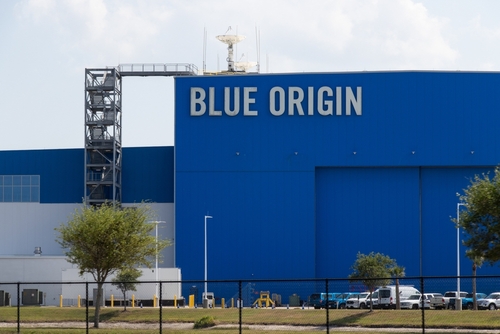
Space Launch Competition Heats Up After Blue Origin NewGlenn Explosion: On May 29, Blue Origin's NewGlenn rocket exploded at Cape Canaveral, while SpaceX and ULA successfully launched the same day, expanding their market share.
-
Blue Origin Retains U.S. Space Force Launch Contract Eligibility: Despite the NewGlenn explosion, the U.S. Space Force decided to maintain Blue Origin's eligibility for key Defense Department launch bids.
-
Berlin Air Show Heats Up CCA Drone Competition: Competitors including Hensoldt's CA-1 Europa are vying for Germany's CCA contract awards; following FCAS collapse, Germany is reassessing its fifth-generation-plus fighter acquisition strategy.
Major Defense Contracts and Programs (Minimum 3)
Raytheon SPY-6 Family Radar Integration and Production Support Contract
- Contracting Agency / Contractor: U.S. Navy / RTX (Raytheon)
- Contract Value: $515 million (integration, production support, pilot upgrades)
- Key Details: SPY-6 Family radar system integration and production support, including Flight IIA enhancement upgrades for Arleigh Burke-class destroyers. International customer support also included in scope.
- Strategic Significance: Core radar modernization for the Navy's next-generation air defense combat system, strengthening naval combat capability. Expands Raytheon's dominance in maritime defense markets.
House Appropriations Committee Fiscal Year 2027 Defense Budget Proposal (~$1 Trillion)
- Contracting Agency / Program Recipients: U.S. House Appropriations Committee / Department of Defense programs across the board
- Budget Authority: Approximately $1 trillion FY2027 defense spending authorization
- Key Details: Funding restoration for the E-7 Wedgetail program following DoD leadership reaffirmation of program continuation and course adjustments. Includes modernization of various major weapons systems.
- Strategic Significance: Sets 2027 defense investment priorities and signals strengthened air surveillance and early warning capabilities.
Lockheed Martin HIMARS System Proposal for France
- Contracting Agency / Contractor: French Ministry of Defense / Lockheed Martin
- Estimated Contract Value: ~$692 million, with 18-month delivery timeline proposed
- Key Details: Proposal to replace France's legacy long-range rocket artillery with HIMARS systems, emphasizing rapid delivery to gain competitive advantage.
- Strategic Significance: NATO ally artillery modernization and signal of strengthened U.S. air defense system deployment in Europe.
Space Industry Developments (Minimum 3)
Blue Origin NewGlenn Rocket Explosion and Space Force Launch Contract Eligibility
- Entities: Blue Origin / U.S. Space Force
- Launch Vehicle & Payload: NewGlenn rocket (exploded during initial hot fire test on May 29)
- Results & Status: Launch pad at Cape Canaveral Space Force Station damaged; recovery estimated for 2028 or later. However, the Space Force decided to maintain Blue Origin's eligibility for key Defense Department launch bids.
- Industry Implications: SpaceX and ULA achieved successful launches on the same date, expanding their market share in DoD launch services. Blue Origin's commercial space market leadership shaken, with concerns about weakened competitive position in billions of dollars in annual defense contracts.
SpaceX and ULA Consecutive Launch Success (May 29)
- Entities: SpaceX / ULA (launch providers)
- Launch Vehicles & Payloads: SpaceX Falcon 9 (Starlink 10-53), ULA Atlas V (specific payload details withheld)
- Results & Status: Both launch providers achieved successful launches on the same date, signaling restored confidence in U.S. space launch capability following the Blue Origin explosion.
- Industry Implications: Blue Origin explosion did not undermine U.S. space launch redundancy; intensified competition has elevated SpaceX and ULA launch success rates and reliability metrics. Possible market share realignment in commercial satellite launch services.

NASA Artemis III Moon Landing Schedule Remains on Track (Despite Blue Origin Explosion)
- Entities: NASA / Blue Origin (lunar lander provider)
- Launch Vehicle & Payload: Blue Origin Blue Moon lunar lander (scheduled for Artemis III)
- Results & Status: NASA reaffirmed its commitment to the 2027 Artemis III launch schedule, stating that the Blue Origin NewGlenn explosion will have minimal impact.
- Industry Implications: Signals flexibility in U.S. lunar exploration timelines and sustained government confidence in Blue Origin's recovery capability. However, should NewGlenn recovery be delayed, NASA may consider alternative launch vehicle options such as SpaceX.
Geopolitical and Policy Context (Current Year Basis)
2026 U.S. Defense Policy and Budget Environment
The U.S. Congress is currently deliberating the National Defense Authorization Act (NDAA) for fiscal year 2026 (October 2025–September 2026). The NDAA enacted in December 2025 authorized approximately $910 billion in annual military spending. The United States is concentrating defense resources on Ukraine support, NATO alliance strengthening in Europe, and expanded Indo-Pacific strategic competition.
A key focus at Germany's Berlin Air Show in early 2026 is the aerial combat drone (CCA) development competition and Germany's reassessment of next-generation fighter acquisition following the FCAS (Future Combat Air System) program collapse. With the France-Germany-Spain joint FCAS project stalled, Germany is evaluating options including additional F-35 procurement or adoption of new fifth-generation-plus systems.
In the space sector, Blue Origin's NewGlenn explosion is reshaping the U.S. Defense Department's launch services competitive landscape. SpaceX and ULA's launch successes signal the Space Force's commitment to launch supply chain diversification and reliability enhancement. Alongside NASA's Artemis mission push, Blue Origin's recovery speed will be a decisive factor in determining the future competitive dynamics of the space industry.
NATO Alliance Strengthening and Expanded European Defense Investment
Defense spending increases continue among NATO members including Germany, Poland, and Baltic nations. At the Berlin Air Show, German Air Force leadership expressed the need to introduce next-generation fighter systems by 2035, and Lockheed Martin's HIMARS proposal for France reflects growing NATO ally demand for firepower modernization. Major U.S. defense contractors are also intensifying their European outreach efforts.
Comparative Analysis Insights
| Category | Naval Defense (SPY-6) | Aerial Combat Drones (CCA) | Space Launch Services |
|---|---|---|---|
| Key Contractors | Raytheon ($515M) | Hensoldt, others competing | SpaceX, ULA, Blue Origin |
| Funding Scale | Single contract ~$500M | Program scale estimated billions | Annual DoD launch contracts billions |
| Market Concentration | High (Raytheon advantage) | Medium (multi-contractor competition) | Low (three-way competitive structure) |
| 2026 Outlook | Continued production and modernization | Market reorganization post-FCAS collapse | SpaceX and ULA dominance if Blue Origin recovery delayed |
Key Insight: Naval radar market approaches Raytheon monopoly; CCA market features multi-contractor competition with low entry barriers; space launch market shifting toward SpaceX-ULA dominance as Blue Origin faces extended recovery delays.
Points to Watch Next Week
- Blue Origin NewGlenn recovery timeline updates and Space Force launch contract award status
- Berlin Air Show CCA demonstrations and results; FCAS replacement project announcements
- FY2026 defense spending final budget authorization by Congress
Guidance for Readers
-
Investors: RTX (Raytheon) shows improved cash flow signals from stable naval radar awards. Parent companies of SpaceX and ULA (Lockheed Martin, Boeing, Northrop Grumman, etc.) stand to gain expanded DoD launch contracts as Blue Origin weakens. Blue Origin (private company) faces valuation risk if recovery is prolonged.
-
Policy and Strategy Professionals: The U.S. Defense Department must sustain space launch supply chain diversification. Growing NATO ally firepower modernization demand expands U.S. weapons export opportunities (HIMARS, Patriot systems, etc.). Monitor Germany's decision on additional F-35 procurement and fifth-generation-plus system adoption following FCAS collapse.
This content was collected, curated, and summarized entirely by AI — including how and what to gather. It may contain inaccuracies. Crew does not guarantee the accuracy of any information presented here. Always verify facts on your own before acting on them. Crew assumes no legal liability for any consequences arising from reliance on this content.
Powered by
