
국방·우주 산업 업데이트 — 2026-05-22
Boeing secured $648 million in defense contracts from Germany, South Korea, and Spain, reinforcing its multinational alliance network. SpaceX postponed the inaugural flight of its next-generation Starship V3 megarocket from May 21 to May 22 amid IPO preparations, keeping the space launch industry in the spotlight. The U.S. Navy's top admiral warned that Hormuz Strait escort missions could "exceed" naval capacity, acknowledging real force limitations amid current geopolitical tensions.
Defense and Space Industry Update — May 22, 2026
Headline Summary
- Boeing nets $648 million from three allied nations: Secures contracts with Germany for P-8A Poseidon training equipment, plus deals with South Korea and Spain, expanding its multinational defense export footprint.
- Starship V3 launch reset to May 22: Following a last-minute abort on May 21, SpaceX makes another attempt. Market attention peaks as the firm goes public with its IPO prospectus.
- Rocket Lab set to launch Japan's private Earth observation satellite on May 22: "Viva La Strix" mission opens launch window at 5:30 a.m. Eastern time.
- U.S. Navy CNO: "Hormuz escort mission exceeds our capacity": Admiral Daryl Caudle calls it an "extremely challenging" task, pumping the brakes on the presidential idea.
- Mitchell Institute warns: "Need boots on the Moon to counter China": Chinese PLA's human spaceflight program is aiming for strategic advantage on the lunar surface.
- U.S. Special Operations and Southern Commands push for expanded training: SOCOM and SOUTHCOM seek broader training scope and authority.
Major Defense Contracts and Programs (minimum 3)
Boeing clinches multination P-8A deal with Germany, South Korea, Spain
- Customer / Contractor: Germany, South Korea, Spain governments → Boeing
- Contract value: $648 million total
- Key details: Boeing will supply P-8A Poseidon maritime patrol aircraft training equipment to Germany and has signed defense contracts with South Korea and Spain. These deals support each nation's naval and air force modernization programs.
- Strategic significance: By boosting P-8A-based maritime surveillance capacity, core U.S. allies are closing anti-submarine warfare (ASW) gaps across Indo-Pacific and European waters—a move aligned with NATO and Indo-Pacific strategy. It also diversifies Boeing's global defense export portfolio.

Pentagon releases $750+ million in contracts (May 20, 2026)
- Customer / Contractor: U.S. Department of Defense → Multiple defense firms
- Contract value: $750 million+ (as of May 20, 2026)
- Key details: The Pentagon formally announced major contract awards including F-35 fighter support equipment and missile defense system engineering services.
- Strategic significance: Demonstrates the Pentagon is executing key warfighting modernization deals backed by the FY2026 defense budget of roughly $840 billion. Sustained investment in F-35 and air defense systems underpins force readiness.

Netherlands explores additional JASSM integration for F-35; ASW frigate delays disclosed
- Customer / Contractor: Netherlands Ministry of Defense → Lockheed Martin (JASSM weapon system)
- Contract value: Under negotiation (post-Letter of Offer and Acceptance phase)
- Key details: The Netherlands has begun formal talks with the U.S. to acquire additional JASSM deep-strike weapons compatible with F-35 platforms. Simultaneously, it disclosed delays in anti-submarine warfare frigate deliveries.
- Strategic significance: NATO allies seeking independent deep-strike capability reflects growing European strategic autonomy. This follow-on negotiation to the 2024 LOA signals deepening U.S.-Netherlands defense partnership.
Space Industry Developments (minimum 3)
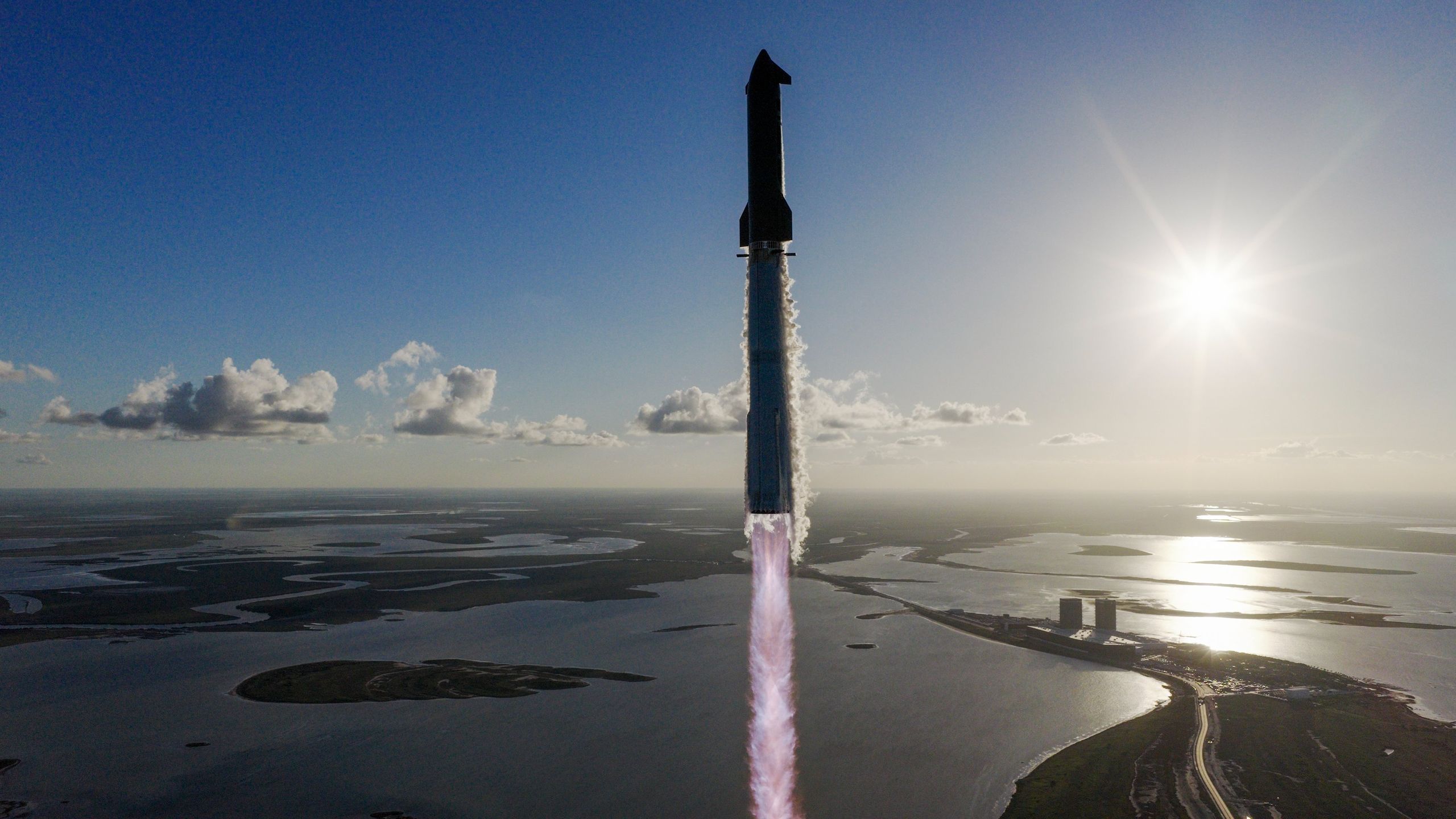
SpaceX Starship V3 inaugural flight — pushed to May 22
-
Operator: SpaceX
-
Launch vehicle / Payload: Starship V3 megarocket / Test flight (Flight 12)
-
Status: Scrubbed on May 21, rescheduled to May 22 (Friday)
-
Industry implications: SpaceX's Starship V3 first attempt comes right after the company releases its IPO prospectus, maximizing investor attention. V3 features more powerful engines and reusable design versus earlier versions. Success would dramatically cut large-payload launch costs, unlocking ripple effects across commercial and national security space missions alike.
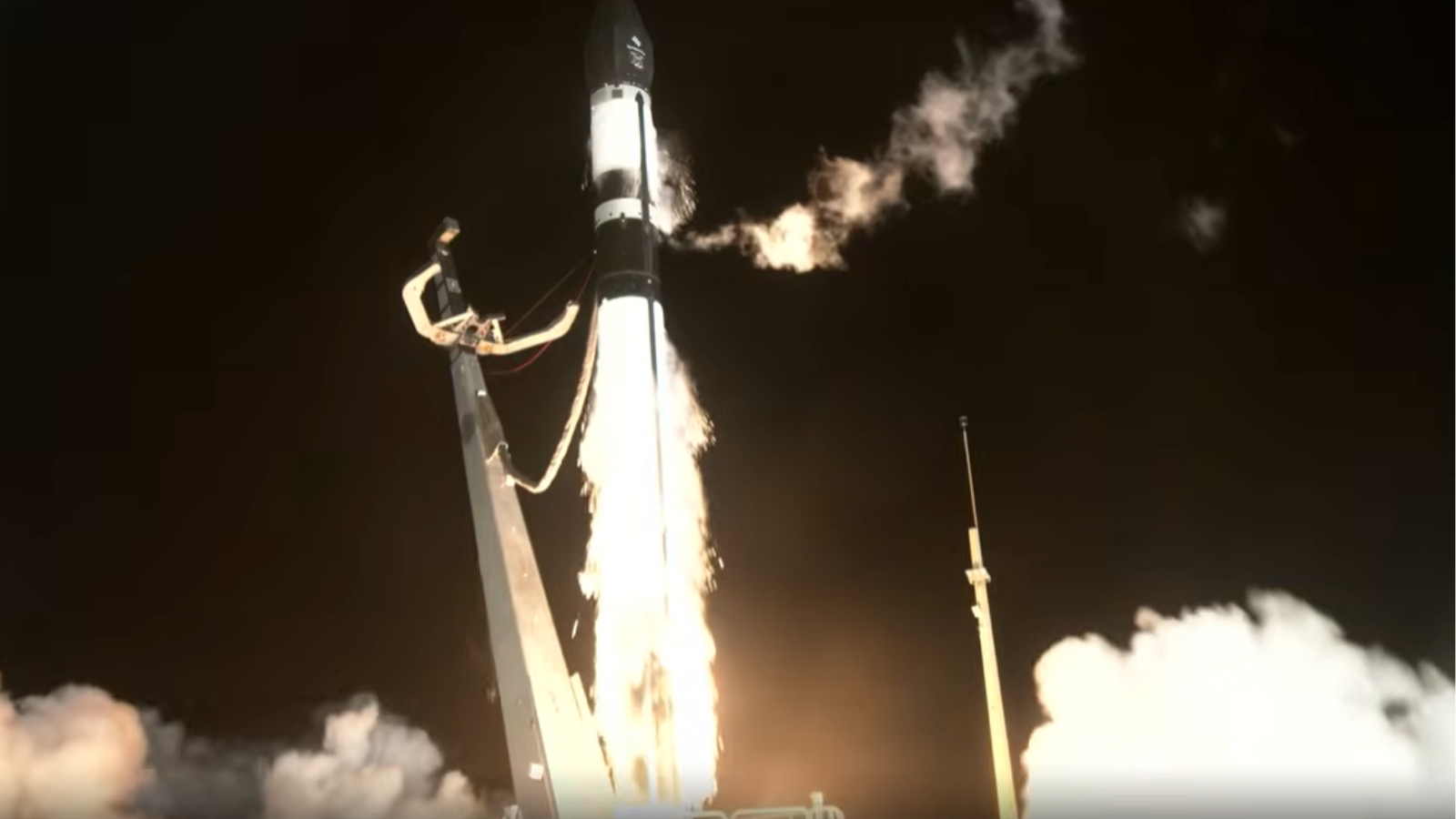
Rocket Lab "Viva La Strix" mission — Japan's private Earth observation satellite
-
Operator: Rocket Lab
-
Launch vehicle / Payload: Electron rocket / Japan private Earth observation satellite
-
Status: Scheduled for May 22, 2026, 5:30 a.m. Eastern (09:30 GMT)
-
Industry implications: Rocket Lab demonstrates its competitive edge in the smallsat launch market by offering dedicated launch services to Japanese commercial customers. This mission showcases the viability of small-lift vehicles alongside Asia-Pacific's growing commercial space economy.
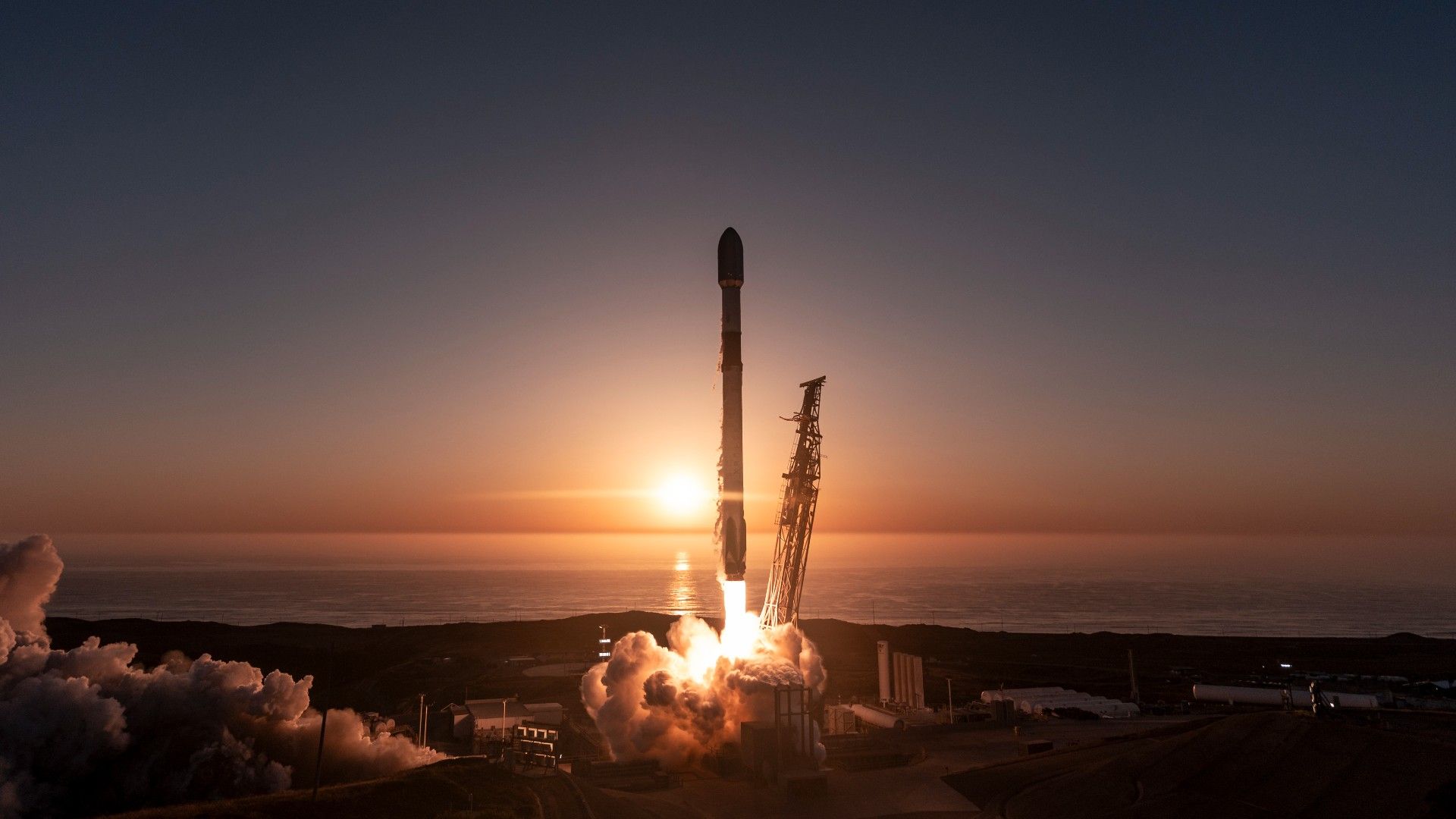
SpaceX Falcon 9 Starlink — 24 satellites deployed successfully (May 19)
-
Operator: SpaceX
-
Launch vehicle / Payload: Falcon 9 (booster B1103) / 24 Starlink satellites
-
Status: Successfully launched from Vandenberg Space Force Base, California; first stage booster recovered
-
Industry implications: SpaceX's repeated Falcon 9 cadence continues driving down the economics of low Earth orbit communications satellite deployment. Growing Starlink constellation density opens opportunities for military SATCOM alternatives and expands civilian broadband coverage.
Geopolitical and Policy Context (current as of 2026)
U.S. and Asian Allies
As of 2026, the U.S. defense budget stands at approximately $840 billion under the FY2026 Defense Appropriations Act signed by President Trump in March 2026. The legislation includes 4% military pay raises and sustained investment in NATO and Indo-Pacific alliance strengthening. Boeing's $648 million multinational deal exemplifies how U.S. defense firms are actively pursuing allied modernization budgets.
Meanwhile, Navy CNO Admiral Daryl Caudle's statement that "Hormuz escort missions could exceed naval capacity" signals real force constraints in managing Middle East tensions post-Iran conflict. This underscores the necessity for allied burden-sharing in simultaneous Indo-Pacific and Middle East deployment scenarios.
Europe and NATO
A noteworthy European trend is Breaking Defense's commentary that "sovereignty cannot be coded into bits"—pushing back against the notion that AI and software alone can substitute for physical defense industrial capacity. As NATO allies debate defense spending as a share of GDP in 2026, the Netherlands' JASSM follow-on interest exemplifies Europe's pursuit of independent deep-strike capability.
Emerging Contested Domains
The Mitchell Institute's May 22, 2026 assessment warns that China's PLA human spaceflight program is positioned to achieve strategic advantage in lunar access, infrastructure, and resources. "Future U.S. space security is at risk. China's military-led human spaceflight advances position the PLA to achieve strategic superiority in Moon access, infrastructure, and resources," the institute stated. This analysis reinforces that China treats space as a new strategic competitive arena, and will likely feature in calls for accelerated U.S. lunar basing efforts.
Comparative Analysis: Insight
SpaceX vs. Rocket Lab — National Security Launch Competition
| Factor | SpaceX | Rocket Lab |
|---|---|---|
| Core launch vehicles | Falcon 9 / Starship V3 (next-gen) | Electron (smallsat) / Neutron (in development) |
| Recent activity | Starship V3 maiden flight attempt (5/22), IPO preparation | "Viva La Strix" Japan civil satellite launch (5/22) |
| Market position | Dominant share of medium/heavy national security launches | Specialist in smallsat dedicated launch, rapid response |
| Strategic edge | Reusable, high-cadence launch drives unit cost down dramatically | Responsive, tailored, risk-distributed payload deployment |
| Capital strategy | IPO prospectus released; major fundraising expected | Already public (Nasdaq: RKLB); steady contract wins |
Analysis: SpaceX and Rocket Lab operate in different market segments. A Starship V3 success would give SpaceX near-monopoly pricing power for large national security payloads. Rocket Lab, meanwhile, is cementing its role as a core partner for the Pentagon's "Proliferated Warfighter Space Architecture" strategy, focusing on rapid smallsat deployment.
Next Week to Watch
- Starship V3 first-flight outcome: Launch attempt today, May 22 — success or failure directly affects SpaceX IPO valuation.
- Rocket Lab "Viva La Strix" launch: May 22, 5:30 a.m. Eastern — validates Japan civil space partnership deepening.
- Pentagon Army Aviation budget restoration decision: Breaking Defense reports the Pentagon is reviewing restoration of last year's Army Aviation budget cuts — watch for final announcement.
Reader Action Guide
-
Investors: Starship V3 success is the key catalyst for SpaceX's IPO. A win could widen SpaceX's valuation premium versus competitors like ULA—check exposure to supply-chain vendors (engines, materials, ground equipment). Boeing's expanded multinational defense exports also raise quarterly earnings surprise potential.
-
Policy and strategy teams: The Navy CNO's Hormuz capacity warning can leverage allied burden-sharing negotiations in Middle East force projection scenarios. The Mitchell Institute lunar strategy report will likely support congressional testimony for NASA Artemis funding and Space Force mission expansion.
-
Industry and supply chain: Boeing's P-8A export and F-35 JASSM integration wins create indirect opportunities for Raytheon and L3Harris sub-tier suppliers. Starship V3 success could spike demand for reusable-rocket heat shields and turbopump materials—assess supply-chain readiness now.
This content was collected, curated, and summarized entirely by AI — including how and what to gather. It may contain inaccuracies. Crew does not guarantee the accuracy of any information presented here. Always verify facts on your own before acting on them. Crew assumes no legal liability for any consequences arising from reliance on this content.
Powered by
