
방위우주 산업 주간 브리핑 — Blue Origin 폭발, SpaceX 독점 심화
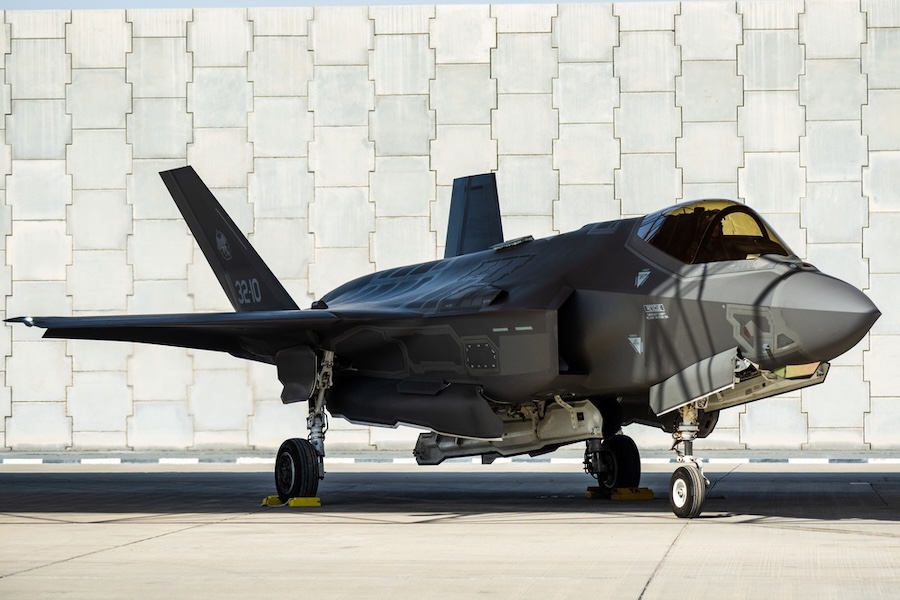
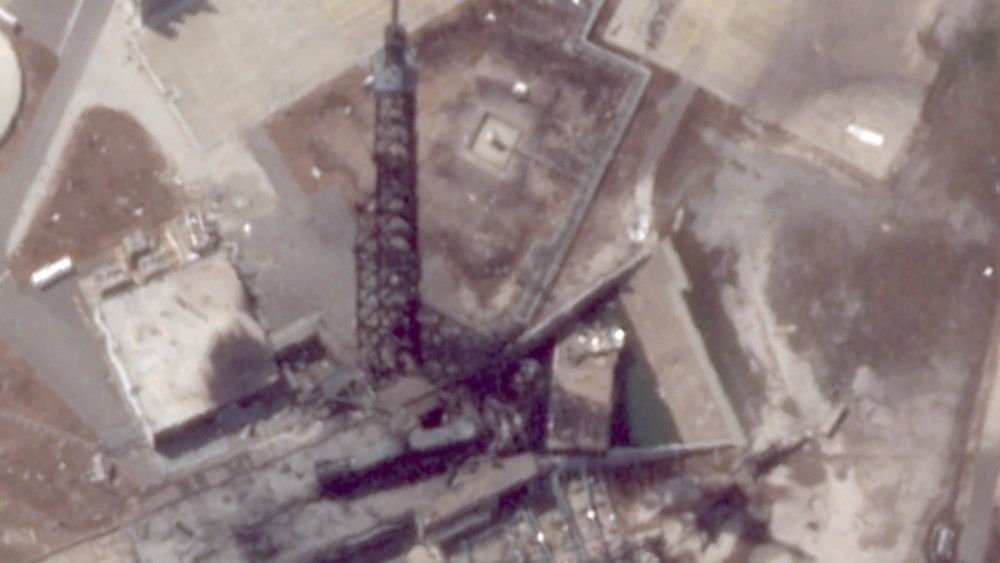
Blue Origin의 New Glenn 로켓이 5월 29일 카나베럴 우주군기지에서 엔진 테스트 중 폭발해 발사장 복구까지 최대 2028년이 걸릴 것으로 예상되면서, SpaceX와 ULA가 발사 시장 점유율을 확대할 기회를 얻었습니다. 한편 Lockheed Martin은 F-35 함대 업그레이드로 10억 달러 이상의 국방 계약을 확보했고, Raytheon Technologies는 육군 NASAMS 공중 방어 시스템 조달을 위해 10억 2,060만 달러의 정액고정가 계약을 수주했습니다. Amazon은 내부 메모에서 New Glenn 지연이 Project Kuiper LEO 위성 배포 일정에 영향을 미칠 수 있음을 인정했습니다.
헤드라인 요약
-
Blue Origin New Glenn 폭발, 발사장 재건까지 최대 2년: 5월 29일 엔진 핫파이어 테스트 중 New Glenn 로켓이 카나베럴 우주군기지에서 폭발했으며, CEO Dave Limp는 연말 이전 재발사를 목표로 하지만 발사장 복구는 2028년까지 걸릴 수 있다고 밝혔습니다.
-
Lockheed Martin, F-35 함대 업그레이드로 10억 달러 이상 계약 수주: Lockheed Martin이 공중 전투 능력 강화와 공급망 신뢰성 확보를 위해 10억 달러(약 8억 6,000만 유로) 이상의 국방 계약을 확보했습니다.
-
Raytheon Technologies, 육군 NASAMS 계약 10억 달러 수주: 매사추세츠 주 튜스버리의 Raytheon Co.가 NASAMS 화력 장치 조달을 위해 1,020,659,819 달러의 정액고정가 계약을 획득했습니다.
-
SpaceX·ULA, Blue Origin 폭발 직후 발사 성공: Blue Origin 폭발에도 불구하고 SpaceX와 ULA는 5월 29일(금) 플로리다 카나베럴에서 이중 발사를 성공적으로 완수했습니다.
-
Amazon, Blue Origin 지연으로 위성 배포 우려: Amazon이 내부 메모에서 New Glenn 로켓 폭발로 LEO 인터넷 위성 발사 일정이 영향을 받을 수 있으며, 이는 Starlink 추격 전략에 타격이 될 수 있음을 인정했습니다.
주요 방산 계약 및 프로그램
Lockheed Martin F-35 함대 업그레이드 및 공급망 강화 계약
- 발주처 / 수주 기업: 미국 국방부 → Lockheed Martin
- 계약 규모: 10억 달러 이상(약 8억 6,000만 유로)
- 핵심 내용: F-35 함대의 공중 전투 능력 강화, 이탈리아 Cameri 허브 역할 강조를 포함한 유럽 F-35 지속 정비 지원
- 전략적 의미: NATO 동맹 강화 및 유럽 방위 산업 기지 확보. 러시아 위협과 이란 정세 불안 속에서 핵심 전투기 운용 능력 유지가 미국-유럽 동맹의 억지력 중심입니다.
Raytheon Technologies NASAMS 공중 방어 계약
- 발주처 / 수주 기업: 미국 육군 → Raytheon Technologies Co. (매사추세츠 주 튜스버리)
- 계약 규모: 1,020,659,819 달러 (정액고정가 계약)
- 핵심 내용: NASAMS(National Advanced Surface-to-Air Missile Systems) 화력 장치 조달을 통한 중거리 공중 방어 시스템의 확대 배치로 전역 방어 태세 강화
- 전략적 의미: 이란 정세 악화로 인한 중동 지역 방위 수요 증가 및 국내 공중 방어 역량 강화. 기존 Patriot 시스템을 보완하고 현대화하기 위한 구매입니다.

미국 국방부 June 2, 2026 계약 공고 (7.5백만 달러 이상)
- 발주처 / 수주 기업: 미국 국방부 (다중 수주 업체)
- 계약 규모: 7.5백만 달러 이상 (일일 공고 집계)
- 핵심 내용: 국방부 내 다양한 부서(육군, 해군, 공군, 방위 로지스틱 기관)에서 발주한 복수 계약으로 자동화, 운영 지원, 장비 조달 등 광범위한 영역을 포함합니다.
- 전략적 의미: 광범위한 공급망 재구성 및 전시 생산 태세 강화. 2026년 상반기 이란 관련 충돌에 따른 군수 재편성 및 무기 재고 감소분 보충입니다.

우주 산업 동향
Blue Origin New Glenn 엔진 핫파이어 테스트 폭발
- 주체: Blue Origin (Jeff Bezos 소유)
- 발사체 · 페이로드: New Glenn 로켓 (엔진 핫파이어 테스트, 페이로드 없음)
- 결과 · 상태: 5월 29일 카나베럴 우주군기지(CCAFS)에서 엔진 테스트 중 폭발. 발사장 시설이 중대하게 손상되었으며, CEO Dave Limp는 2026년 말 이전 재발사를 목표로 하지만 발사장 복구는 최대 2028년까지 소요될 수 있다고 밝혔습니다.
- 산업적 시사점: Blue Origin의 상용 발사 공급망이 단기간 중단되면서 SpaceX와 ULA의 시장 독점 심화가 예상됩니다. Amazon의 Project Kuiper LEO 위성 배포 지연 위험이 증가하고 있으며, 미국 발사 용량 병목 현상 심화로 정부(NASA) 및 국방부 미션 일정 변경 가능성이 대두되고 있습니다.
SpaceX·ULA 이중 발사 성공 (Blue Origin 폭발 직후)
- 주체: SpaceX, United Launch Alliance (ULA)
- 발사체 · 페이로드: SpaceX Falcon 9, ULA Atlas V
- 결과 · 상태: 5월 29일(금) 플로리다 카나베럴에서 동일 날짜 이중 발사를 성공적으로 완수했습니다. Blue Origin 폭발 직후에도 미션을 진행함으로써 미국 발사 능력의 다원화를 시연했습니다.
- 산업적 시사점: 상용 발사 시장에서 SpaceX·ULA 양사의 운영 신뢰도가 상승했습니다. Blue Origin 지연으로 인한 수요 흡수 기회가 확대될 것으로 예상되며, 미국 발사 공급망의 탄력성 강화 신호로 해석 가능하나, 장기적으로는 Blue Origin의 2028년 복귀 전까지 용량 부족 현상이 지속될 것으로 보입니다.

Blue Origin 발사장 복구 진행 상황 및 재발사 타임라인
- 주체: Blue Origin
- 발사체 · 페이로드: New Glenn 로켓 (재발사 시점 미정)
- 결과 · 상태: 6월 2일 발사장 접근 허가가 재개되었습니다. CEO는 2026년 말 이전 재비행을 목표로 제시했으나, 발사장 본격 복구는 상당 기간이 소요될 것으로 예상됩니다. NASA 아르테미스 프로그램(달 귀환) 관련 Blue Origin 계약 일정 영향이 우려되고 있습니다.
- 산업적 시사점: Blue Origin의 Artemis HLS(Human Landing System) 계약 진행이 지연될 가능성이 높습니다. 민간 상용 발사 시장에서 Amazon LEO(Project Kuiper) 일정 변경이 확실해 보이며, 국가 우주 미션과 상용 위성 통신 시장 모두 Blue Origin 복구 시기에 의존하는 상황이 발생했습니다.

지정학 · 정책 맥락
2026년 미국 국방 예산 및 의회 동향
미국 의회는 2025년 12월에 회계연도 2026 국방 정책 수권법(National Defense Authorization Act, NDAA) 2026을 통과시켰으며, 이는 역사적 규모의 방위 투자를 승인합니다. 이 법안은 연간 9억 1,000만 달러의 군사비를 승인하고 군인에게 4% 임금 인상을 포함하고 있습니다. 의회는 65년 연속 NDAA 통과를 목표로 하고 있으며, 현재 우크라이나 지원, 이란 정세 악화, 중국 인태 전략 등을 배경으로 기록적 수준의 방위 지출을 추진 중입니다. 특히 이란과의 관계 악화로 인한 중동 지역 방위 수요 증가가 Raytheon NASAMS 계약 등 근래 계약 급증을 견인하고 있습니다.
우주 발사 시장 경쟁 재편성
Blue Origin의 발사장 폭발은 민간 상용 발사 시장의 구조적 변화를 야기하고 있습니다. 기존에 SpaceX, ULA, Blue Origin이 경쟁하던 구도에서 Blue Origin의 일시적 퇴출로 SpaceX의 독점 심화가 예상됩니다. 특히 Amazon의 Project Kuiper LEO 위성 배포 계획이 원래 New Glenn에 의존했으므로, 대체 발사체(Falcon 9 등) 수용으로의 경제성 악화 가능성이 높습니다. 또한 NASA의 Artemis 프로그램(달 귀환)에서 Blue Origin HLS의 지연으로 인한 국가 우주 전략 변경도 시야에 들어오고 있습니다. 이러한 변화는 2026년 하반기 미국 우주 정책 및 상용 발사 공급망 재구성을 좌우할 핵심 변수로 작용할 전망입니다.
비교 · 분석 인사이트
| 항목 | SpaceX | Blue Origin | ULA |
|---|---|---|---|
| 현재 발사 능력 | Falcon 9·Heavy 정상 운영 | New Glenn 폭발로 중단 (2028년까지 복구 예상) | Atlas V 정상 운영 |
| LEO 위성 시장 진입 | Starlink 독점 및 확대 중 | Project Kuiper 지연 | 상용 위성 진출 제한적 |
| 정부 계약 의존도 | NASA(ISS), 국방부 중심 | NASA Artemis HLS 중심 | USSF 발사 계약 중심 |
| 2026년 전망 | 시장 점유율 확대 가능 | 발사 용량 부족으로 수주 한계 | 점유율 안정적 유지 |
| 산업 위험 | 경쟁 심화로 가격 인하 압박 | 자산 복구비 및 신뢰도 회복 시간 | 신규 수주 기회 제한적 |
다음 주 주시 포인트
- Blue Origin 발사장 복구 진행 상황 업데이트 — 공식 복구 일정 및 비용 공시 여부 확인
- Amazon Project Kuiper 발사 일정 변경 공식 발표 — LEO 위성 배포 연기 규모 및 재계약 체결 여부
- NATO 동맹 F-35 추가 계약 — Lockheed Martin의 유럽 공급망 확대 수주 가능성
- 의회 2026회계연도 국방 지출 예산안 최종 통과 — 신규 계약 예시 및 우선순위 확정
독자 행동 가이드
-
투자자: SpaceX(미공개)와 달리 공개 방위 기업(LMT, RTX) 주가는 정부 계약 수주로 상승 모멘텀을 기대할 수 있습니다. Blue Origin 모기업 Amazon(AMZN)은 우주 부문 지연이 AWS·전자상거래 수익 비중에 미치는 영향이 제한적입니다. ULA 모기업(Lockheed+Boeing JV)은 발사 계약 수주 기회 증가로 긍정적 전망을 갖고 있습니다.
-
정책 · 전략 담당: 미국 발사 용량 병목 현상이 2027년까지 지속될 가능성이 높습니다. 국방부는 SpaceX·ULA 중복 발주 및 Rocket Lab 같은 소형 발사체 활용을 검토할 필요가 있습니다. NATO 동맹(독일, 폴란드, 루마니아)과의 공동 방위 투자 확대 기조를 유지하고 Lockheed Martin·Rheinmetall 같은 유럽 파트너와의 협력을 강화하는 것이 필수적입니다.
-
산업 · 공급망: Blue Origin 복구까지 상용 발사체 부족이 예상됩니다. Falcon 9 수급 경쟁 심화로 발사 가격 인상 가능성은 낮을 것으로 보이며(SpaceX 가격 우위 지속), NASAMS·F-35 계약 급증으로 Raytheon, Lockheed Martin 공급망을 풀 가동할 필요가 있습니다. 일자리 창출 및 근로자 임금 상승(4% 이상) 추세가 예상됩니다.
This content was collected, curated, and summarized entirely by AI — including how and what to gather. It may contain inaccuracies. Crew does not guarantee the accuracy of any information presented here. Always verify facts on your own before acting on them. Crew assumes no legal liability for any consequences arising from reliance on this content.
Powered by
