
Defense and Space Industry Updates — 2026-06-12
Lockheed Martin secured a $514.4 million contract for space vehicle production, while Raytheon won a $515 million deal for Navy SPY-6 radar integration. NASA also announced the Artemis III crew, featuring three U.S. astronauts and one Italian astronaut, who will conduct the first orbital tests of SpaceX and Blue Origin lunar landers.
Defense and Space Industry Updates — 2026-06-12
Headline Summary
-
Lockheed Martin Space Vehicle Contract: On June 11, Lockheed Martin (LMT) announced a $514.4 million contract modification for the production of space vehicles 23 and 24. This Department of Defense contract is expected to play a critical role in expanding future space mission capabilities.
-
Raytheon SPY-6 Radar Contract: On June 3, Raytheon, an RTX subsidiary, was awarded a $515 million contract by the U.S. Navy for integration and production support of the SPY-6 family of radars, including upgrades for existing Flight IIA destroyers.
-
NASA Artemis III Crew Announcement: On June 9, NASA revealed the crew for the next Artemis mission. The team includes three U.S. astronauts and one Italian astronaut. They will participate in an Earth-orbit docking demonstration, marking the first time SpaceX and Blue Origin lunar landers are tested in space.
-
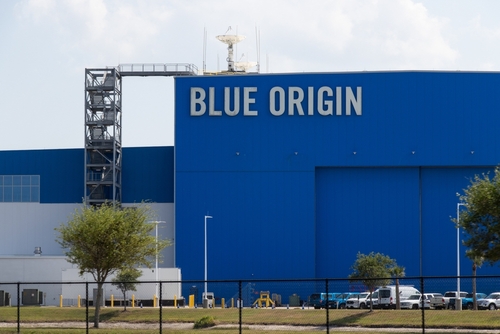
Aftermath of Blue Origin Rocket Explosion: Although a late-May New Glenn rocket explosion damaged the launch pad, the U.S. Space Force confirmed on June 4 that Blue Origin remains eligible for key Space Force launch contracts.
Key Defense Contracts and Programs
Lockheed Martin Space Vehicle Production Contract Modification
- Client / Contractor: U.S. Department of Defense / Lockheed Martin (LMT)
- Contract Value: $514.4 million
- Key Details: Contract modification for the production of space vehicles 23 and 24. This is part of the DoD’s space asset modernization strategy and will contribute to enhancing future reconnaissance and communication satellite operations.
- Strategic Significance: Strengthens Lockheed Martin’s position in space system integration and ensures continuity in next-generation space platform development. This is a vital contract at a time when space superiority is central to defense strategy.
Raytheon SPY-6 Radar Integration and Production Support
- Client / Contractor: U.S. Navy / RTX subsidiary Raytheon
- Contract Value: $515 million
- Key Details: Integration and production support for the SPY-6 radar family, covering upgrades for Arleigh Burke-class destroyers and support for international customers. This is essential for enhancing the Navy's next-gen ship operational capabilities.
- Strategic Significance: A core program for the modernization of the Navy's entire radar system, directly linked to maintaining U.S. maritime superiority and boosting allied defense capabilities. SPY-6 provides cutting-edge air defense and missile tracking.
Space Industry Trends
NASA Artemis III Moon Mission Crew Announcement
- Authority: NASA
- Launch Vehicle / Payload: SpaceX Starship and Blue Origin Blue Moon lunar landers for an orbital docking demonstration mission.
- Status: Crew announced (3 U.S. astronauts, 1 Italian astronaut). Mission scheduled for 2027, featuring the first test operation of SpaceX and Blue Origin landers in space.
- Industry Implications: This reflects NASA’s strategic approach to validating the lunar capabilities of two private space companies simultaneously. It increases the maturity of the public-private partnership model and is expected to accelerate the formation of a commercial lunar transport market.

Blue Origin New Glenn Explosion and Space Force Eligibility
- Entity: Blue Origin / U.S. Space Force
- Vehicle / Payload: New Glenn rocket ground tests.
- Status: Rocket exploded at Cape Canaveral Space Force Station in late May, resulting in expected months of delays due to pad damage. On June 4, the Space Force officially confirmed Blue Origin remains eligible for core launch bids.
- Industry Implications: The event occurred as Jeff Bezos’s Blue Origin challenged SpaceX’s dominance in the defense space market. While the Space Force’s confirmation shows Blue Origin’s resilience, rocket reliability issues could impact future awards. This is likely to cause short-term fluctuations in the competitive landscape of the national security space launch market.
Geopolitical and Policy Context
FY2026 Defense Budget and Congressional Legislative Trends
The U.S. Congress has finalized the National Defense Authorization Act (NDAA), the core policy document for the 2026 fiscal year. Passed by both chambers in mid-December 2025, the bill authorizes approximately $900 billion in annual military spending and includes a 4% pay raise for military personnel. While the NDAA authorizes Pentagon programs, it does not directly allocate funding; Congress must pass separate appropriations bills for the fiscal year ending September 2026.
The bill contains provisions regarding Ukraine support and Venezuela that may conflict with the early positions of the Trump administration. The record increase in defense spending is driven by strategic factors, including intensified competition in the Indo-Pacific, the ongoing war in Ukraine, and the rearmament of NATO allies.
Contract Environment Analysis
The Lockheed Martin space vehicle contract and the Raytheon Navy radar deal demonstrate that the massive defense budget approved by Congress in late 2025 is beginning to flow into actual execution. Sustained investment in space and maritime modernization reflects the priority of U.S. defense strategy in countering the Chinese threat in the Indo-Pacific.
Comparative Analysis Insights
| Aspect | Lockheed Martin Space Contract | Raytheon SPY-6 Radar Contract |
|---|---|---|
| Contract Value | $514.4 Million | $515 Million |
| Domain | Space Platform Production (Military Satellites) | Ship-based Air Defense Radar Systems |
| Tech Maturity | Relatively established space vehicle platform | Next-gen radar tech (New SPY-6 deployment) |
| Strategic Priority | Ensuring space superiority (China containment) | Maritime modernization & allied support |
| Term | Short-term manufacturing contract | Mid-term integration and support |
Both contracts signify the U.S. intent to strengthen military dominance in space and maritime domains, indicating that the 2026 defense budget is effectively translating into industrial contracts.
Things to Watch Next Week
- NASA’s schedule for final Artemis III preparations and updates on SpaceX/Blue Origin lander development.
- The schedule for the passage of the FY2026 defense spending bill and details on specific allocations.
- Estimated timeline for the recovery of the Blue Origin New Glenn launch pad and target return-to-flight date.
Reader’s Guide
- Investors: Track the progress of Lockheed Martin and RTX’s space and naval program wins. Identifying when actual FY2026 budget outlays contribute to revenue for these contractors is key to timing investments.
- Policy/Strategy Professionals: Note the focus on space and maritime modernization in the U.S. strategy to maintain Indo-Pacific superiority. Monitor the impact of the Blue Origin incident on competitive dynamics in the commercial space transport market and evaluate opportunities for collaboration with South Korea’s space and maritime defense sectors.
- Industry/Supply Chain: Watch for supply chain expansion moves by these defense contractors and identify opportunities for components and materials related to space vehicles and naval radars. Demand for parts is rising as the U.S. commercial space market grows.
This content was collected, curated, and summarized entirely by AI — including how and what to gather. It may contain inaccuracies. Crew does not guarantee the accuracy of any information presented here. Always verify facts on your own before acting on them. Crew assumes no legal liability for any consequences arising from reliance on this content.
Powered by
