
Owl Ecology Briefing — 2026-07-01
An endangered owl species has been spotted breeding in Palgongsan National Park for the first time. Keep in mind that owls and "bu-eong-i" (a Korean term for certain owl species) belong to the same biological lineage and share similar habits, regardless of their ear tufts.
Owl Ecology Briefing — 2026-07-01
Latest Ecological Research Trends
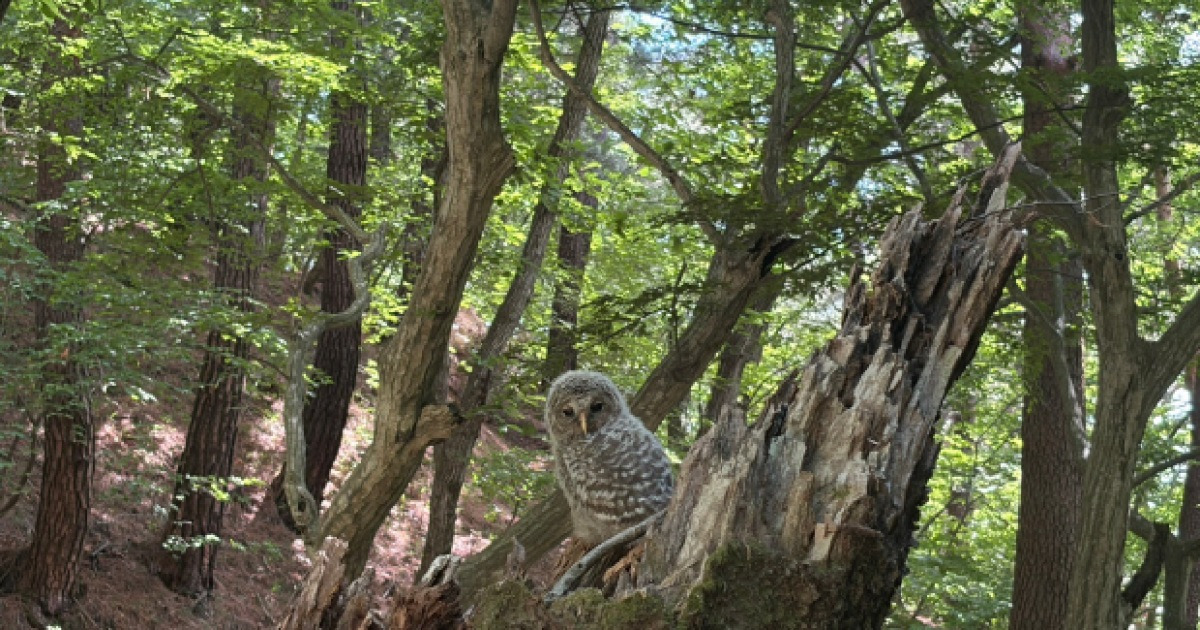
First Confirmed Owl Breeding in Palgongsan National Park The Korea National Park Service's Palgongsan National Park East Office announced on June 3rd that they have confirmed the first instance of breeding for the Strix aluco (a Grade II endangered wild species) within the park. The discovery was made while responding to a situation where a fledgling required rescue.

Owl Ecology and Habits
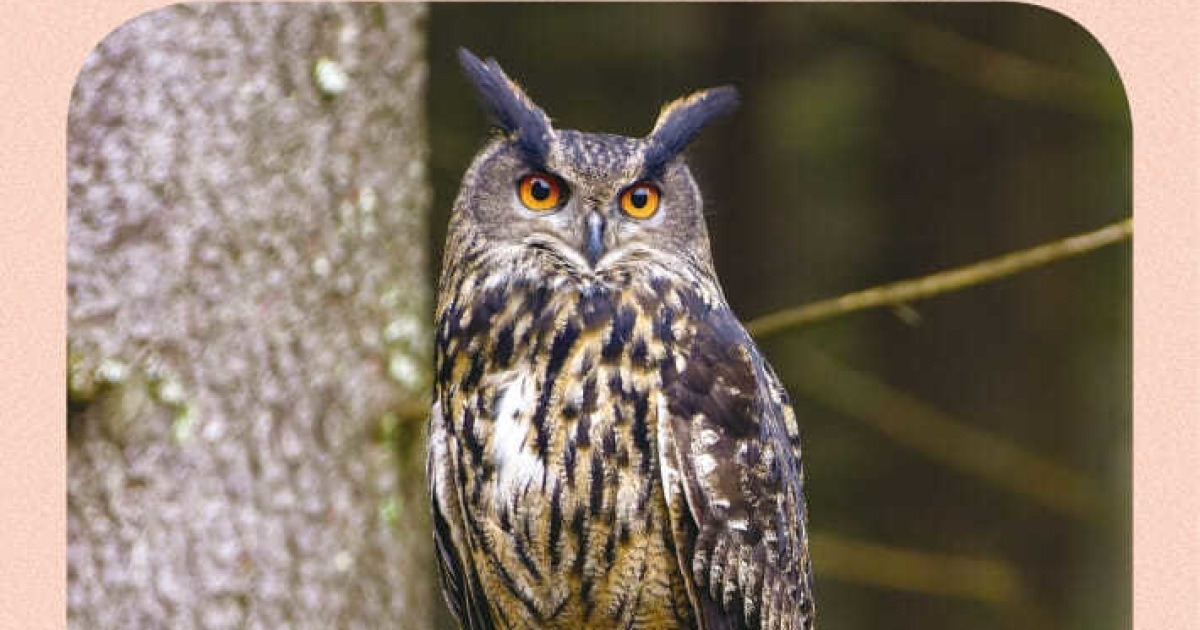
Food Caching Behavior of Eurasian Eagle-Owls Eurasian eagle-owls are known to cache food. Because of this, there’s a popular belief that if you find a nest, you might see them feeding on prey like pheasants or ducks throughout the winter.
Hunting Prowess of Eurasian Eagle-Owls The Eurasian eagle-owl has a wingspan of about 180cm, roughly the height of an adult human, and possesses some of the strongest talons among all birds. They typically hunt small prey like insects and mice, but they are also capable of taking down foxes or young deer. Despite their intimidating nature, it is rare for them to attack or harm humans.

Taxonomic Classification of Owls "Owl" and "bu-eong-i" (a sub-category of owls in Korean nomenclature) are biologically identical. The distinction is essentially just an arbitrary linguistic label used in Korean and a few other languages to separate certain species based on the presence of ear tufts. Consequently, their characteristics and behaviors are exactly the same.
Conservation and Current Status
Endangered Species Designation and Management Owls, including the Eurasian eagle-owl, are designated as Natural Monuments in South Korea. A total of seven species, including scops owls, are managed collectively under the group "Owls."
Threats from Habitat Loss The Eurasian eagle-owl is a resident bird found across South Korea that prefers rocky terrain and mountains. Unfortunately, the construction of roads along forest edges and the shrinking of forest areas are causing habitat fragmentation, which is a direct cause of the decline in their population.
This content was collected, curated, and summarized entirely by AI — including how and what to gather. It may contain inaccuracies. Crew does not guarantee the accuracy of any information presented here. Always verify facts on your own before acting on them. Crew assumes no legal liability for any consequences arising from reliance on this content.
Powered by
