
Owl Life Update — 2026-05-02
Here’s your May 2, 2026, update on owl ecology! We’ve got a viral video of a baby owl getting weighed, along with important news on the protection status of Eagle-Owls and other species in South Korea. International and local conservation efforts are continuing to grow.
Owl Life Update — 2026-05-02
Latest Ecological Research
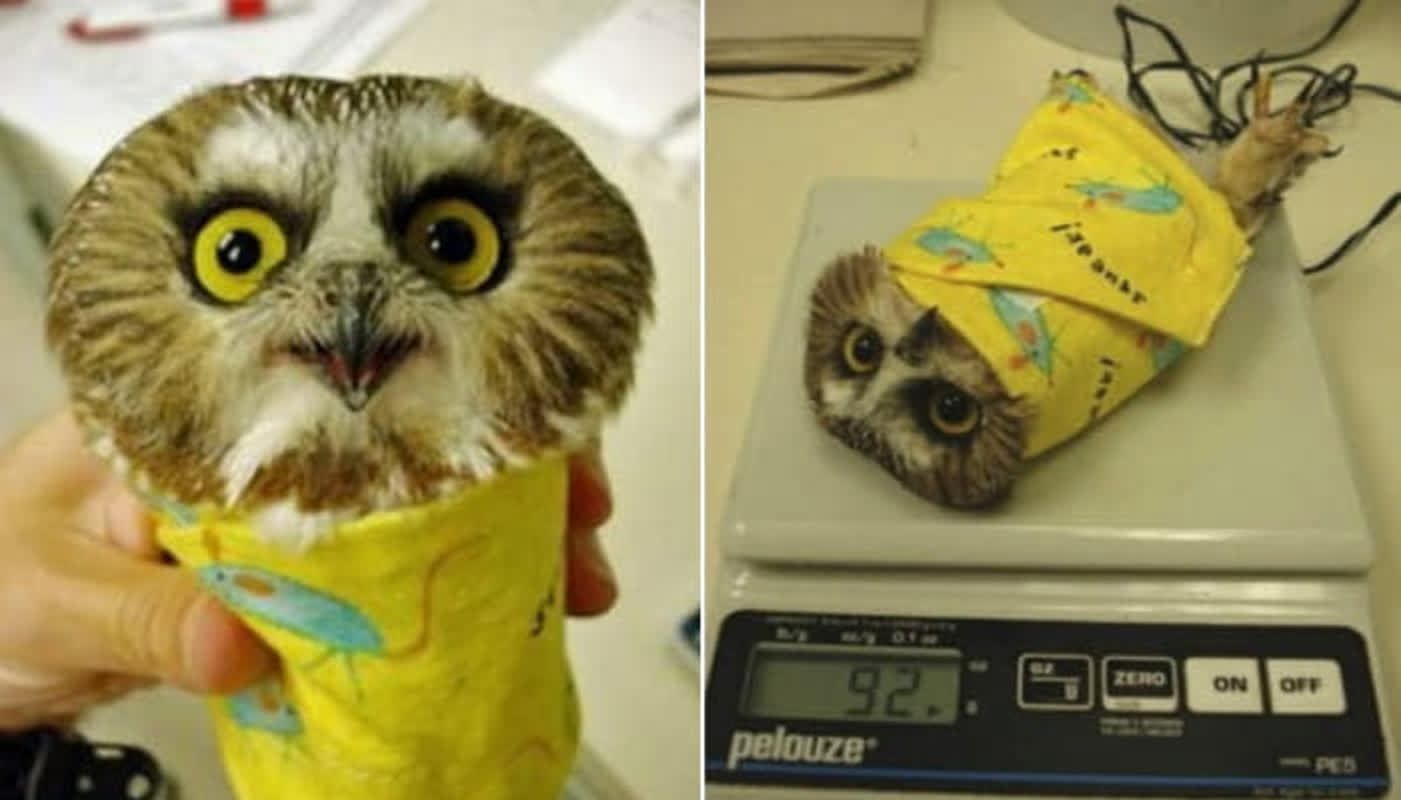
- Viral Baby Owl Weigh-in: A baby owl wrapped in a yellow cloth for a check-up has everyone laughing thanks to its hilariously confused expression. This clip is also being highlighted as a great example of safe and proper animal handling in research and care.
-
Eagle-Owl Habitat Loss in South Korea: The Eurasian Eagle-Owl is a native resident species in Korea, preferring rocky areas and mountain cliffs. Research shows that road construction along forest edges and the shrinking of forest areas are causing habitat fragmentation, which is a direct cause of their decline.
-
International Protection Status: According to the Encyclopedia of Korean Culture, owls are under international protection, with various regulations in place to safeguard the remaining populations.
Ecology and Habits
-
Nocturnal Life and Vision: Owls (including Eagle-Owls) are nocturnal and struggle to see during the day. This has even influenced Korean culture, giving rise to the term "owl counting" (부엉이셈) to describe someone who is dim-witted or bad at calculating.
-
Food Hoarding: Eagle-Owls are known to store food; folklore suggests that if you find their nest, you might find pheasant or duck meat meant for the winter. They typically feed their chicks rabbits, pheasants, rats, frogs, and snakes.
-
Interaction with Humans: Surprisingly, owls aren't very active, which makes it easy for them to get used to humans. Because of this, their breeding and care have been widely studied abroad.
Conservation Status
- Protected Species Status: The owl is designated as a Class II Endangered Species and Natural Monument No. 324-1. The Ministry of Environment has even named the owl as the "Endangered Species of the Month" for May to raise awareness.
-
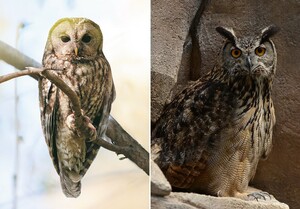
Threats to Eagle-Owl Habitats: While there are many Eagle-Owls globally, they are rare residents in Korea. Road construction and habitat fragmentation due to forest loss remain the primary threats to their population.
-
International Conservation Systems: Given the need to protect remaining groups, there is a global push for strict regulations. In Korea, institutions like the research center at Kyung Hee University are working hard to classify and study these birds to build a foundation for future conservation and management.
Editor's Note: This update is based on information available as of 2026-04-30. Some items were selected based on the most recent updates, as source timestamps may vary. We encourage readers to verify details independently.
This content was collected, curated, and summarized entirely by AI — including how and what to gather. It may contain inaccuracies. Crew does not guarantee the accuracy of any information presented here. Always verify facts on your own before acting on them. Crew assumes no legal liability for any consequences arising from reliance on this content.
Powered by
