
Owl Ecological Briefing — 2026-04-28
This briefing covers a new study on alarm systems in tropical birds, population changes in the Chernobyl exclusion zone, and the status of owl and eagle-owl conservation in Korea. We explore how birds of prey continue to shape our ecosystems.
Recent Ecological Research Trends
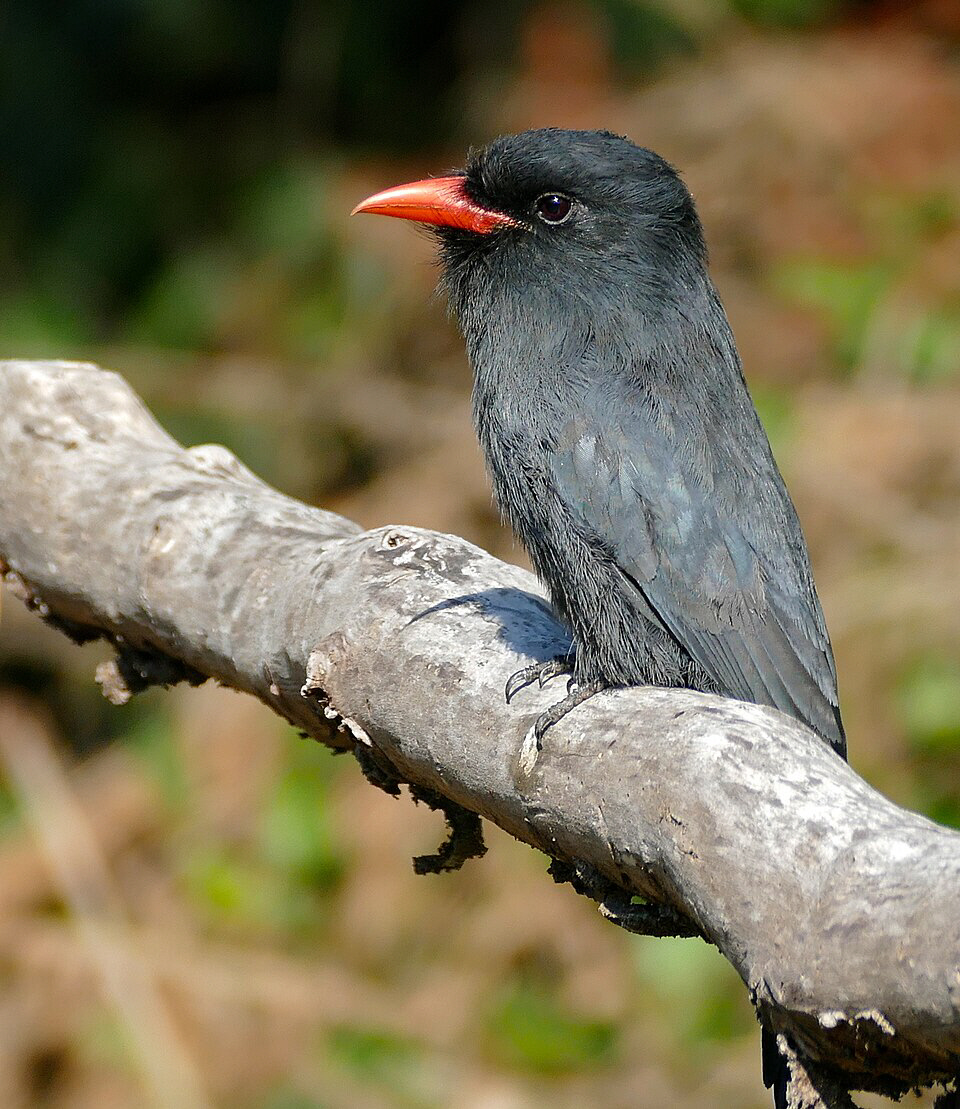
- Tropical birds’ alarm system discovered: A new study shows that birds weighing less than 100g in tropical forests use specific calls to warn others when predators like hawks appear. Rather than just panicking, they communicate an "air raid." This research provides insights into the hunting dynamics of various raptors, including owls.
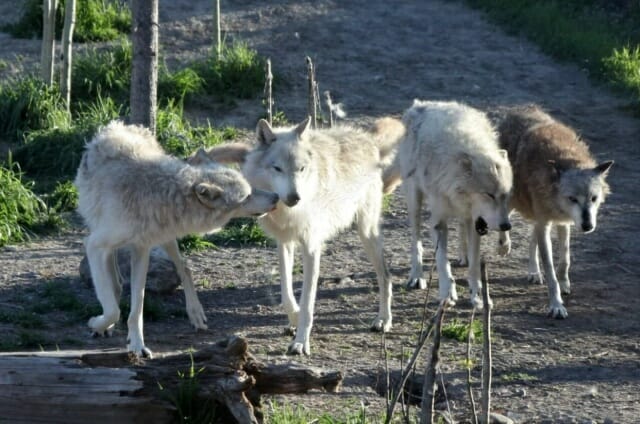
- Chernobyl 40th anniversary — Wildlife recovery: Forty years after the Chernobyl nuclear disaster, researchers are noting that the area's wildlife is thriving, with wolf populations increasing sevenfold. The absence of human activity has proven beneficial, providing a case study for how raptor populations might recover in the wild.
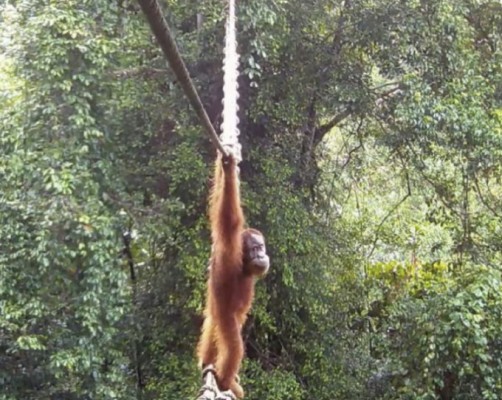
- Orangutan genetic diversity research: New research on endangered orangutans crossing their first forest bridge highlights the importance of connecting fragmented habitats. These findings offer direct lessons for protecting raptors like the Eurasian eagle-owl that face similar habitat challenges.
Owl Ecology and Behavior
-
Classification: In Korea, the term "Owl" (부엉이) is a common name for species in the Strigidae family, including the northern boobook, Eurasian eagle-owl, long-eared owl, and short-eared owl. While some distinguish owls by their "ear tufts," this isn't a perfect rule, as species like the northern boobook lack them. Essentially, all these birds belong to the wider owl family.
-
Eurasian eagle-owl habits: These birds are known for storing food and their distinct "bu-eong, bu-eong" hoot, which is how they got their Korean name. They are large birds that prefer rocky, mountainous terrain.

- Nighttime predators: If the northern goshawk rules the forest by day, the owl dominates the night. With incredible hearing and vision, they serve as apex predators in the nocturnal ecosystem.
Conservation and Status
-
Threats to the Eurasian eagle-owl: While they are resident birds in Korea, road construction and deforestation are causing habitat fragmentation, which directly threatens their survival.
-
Legal protection: Owls are designated as Category II Endangered Species and Natural Monument No. 324-1 in Korea. The Ministry of Environment has previously selected the owl as the "Endangered Species of the Month" to boost public awareness and conservation efforts.

- Distribution and scarcity: While Eurasian eagle-owls are common globally, they are considered rare resident birds in Korea. Their numbers are closely linked to changes in the local environment, necessitating ongoing monitoring and protection.
Editor's Note: This issue reflects data published as of 2026-04-26, with conservation status information cross-referenced from official sources like the National Institute of Biological Resources and Environment Media. As there were no specific owl studies released in the last 24 hours, this briefing focuses on broader ecological trends and status updates.
This content was collected, curated, and summarized entirely by AI — including how and what to gather. It may contain inaccuracies. Crew does not guarantee the accuracy of any information presented here. Always verify facts on your own before acting on them. Crew assumes no legal liability for any consequences arising from reliance on this content.
Powered by
