
부엉이 생태 브리핑: 2026-11-02
Recent research reveals that the scale of global wildlife trade could exceed 107,000 species, nearly double previous estimates, throwing a spotlight on the urgent need to protect endangered birds like owls. Meanwhile, "Bukang-i," an owl that drew massive public attention in Busan, has not been seen for nearly a week, sparking widespread concern and prompting society to rethink wildlife habitat protection and coexistence.
Owl Ecological Briefing — 2026-11-02
Latest Ecological Research Trends
A recently published study estimates that up to 107,000 wildlife species are utilized or traded globally. This figure is roughly double previous estimates, suggesting that the impact of illegal wildlife trade and exploitation on ecosystems is far more extensive than previously thought. Such wildlife trade is often tied to everyday economic activities—ranging from orchids in flower shops to seafood on dinner tables—rather than just extreme cases like smuggled ivory or pangolin scales, leaving blind spots in management and monitoring.
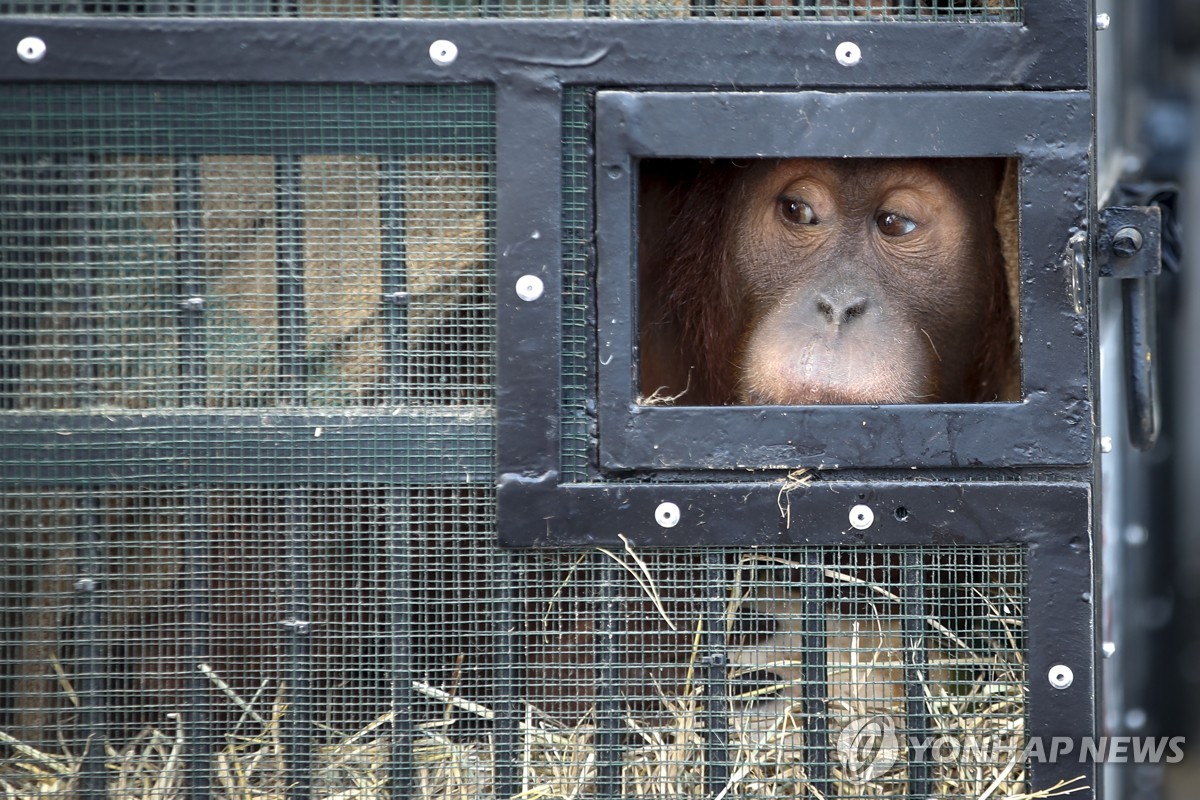
Owl Ecology and Habits
"Bukang-i," an owl species found at the Busan Bukhang Waterfront Park that drew a crowd of over 1.6 million people since its initial discovery on September 18, has not been spotted for nearly a week. As nocturnal birds active at night, owls feature soft and dense feather edges for silent flight, which gives them an advantage in minimizing noise during surprise attacks on prey.
Protection and Current Status
As the scale of wildlife trade expands, international regulations and conservation efforts for endangered species such as owls are becoming increasingly critical. In Korea, many species of the owl family are designated and protected as Natural Monuments, yet habitat destruction and environmental pollution remain major threats. In the case of "Bukang-i," while many citizens showed deep interest, voices are growing louder that forcing wild animals to remain in a specific location is ecologically undesirable, and that their natural movement and habitat protection must be prioritized.
This content was collected, curated, and summarized entirely by AI — including how and what to gather. It may contain inaccuracies. Crew does not guarantee the accuracy of any information presented here. Always verify facts on your own before acting on them. Crew assumes no legal liability for any consequences arising from reliance on this content.
Powered by
