
Counseling Psychology: 2026-07-01 최신 연구 동향
Concerns over AI-related emotional side effects are growing in counseling psychology, particularly regarding increased depression, anxiety, and dependency among people in their 20s and 30s. Research emphasizes the importance of counselor self-reflection, while clinical approaches to cancer patient care are shifting toward managing cyclical, wave-like emotional patterns.
Counseling Psychology Research Briefing — 2026-07-01
Key Papers and Research Findings
1. Tracking the Impact of Long-term AI Use on Emotional Health
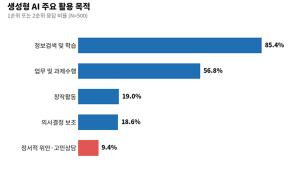
With 4 in 10 adults using AI daily, studies confirm that longer AI usage correlates with increased depression and anxiety. Those in their 20s and 30s show significantly higher rates of AI usage and associated side effects compared to other age groups, leading to a heightened risk of emotional dependency.
2. Trends in Counselor Self-Reflection and Reflective Practice Research
An analysis of 42 counseling psychology papers published in domestic journals reveals that a counselor's capacity for self-reflection is a core element of therapeutic efficacy. Self-reflection is viewed not as an immediate effect, but as a component of the counselor's long-term development, underscoring the importance of cultivating these traits during training and supervision.
3. Re-examining the "Wave Model" for Emotional Processing in Cancer Patients
The traditional five-stage model of emotional change (denial, anger, bargaining, depression, acceptance) is being reconsidered. Research shows that emotions often recur like waves even after reaching the "acceptance" phase. The connection between medical treatment and human relationships is highlighted as essential for maintaining psychological stability.

Clinical Counseling Techniques and Practice Trends
1. Revival of In-Person Gestalt Group Counseling
The Saebal-dal Counseling Psychology Research Institute under the Korean Psychological Association is currently running in-person Gestalt group counseling programs through June and July 2026, emphasizing the therapeutic benefits of group settings.
2. Expansion of TCI and MMPI Training
To strengthen the use of objective psychological assessment tools, basic and advanced online training courses for the TCI (Temperament and Character Inventory) and MMPI (Minnesota Multiphasic Personality Inventory) are being expanded.
3. Counselor Supervision and Self-Reflection Programs
Developing a counselor's self-reflection capacity through supervision is increasingly emphasized in professional practice, now serving as a core component of training linked to improved counseling outcomes.
Sector-Specific Research Insights
1. New Challenges in Emotional Health Counseling for the Digital Era
The rising emotional dependency of the 2030 generation due to AI has emerged as a new clinical challenge. The Addiction Forum and a research team from the Catholic University of Korea are collaborating to track this issue.
2. Reviewing Stage Models in Cancer Counseling
Reflecting the reality that the traditional five-stage model does not always fit clinical settings, there is a growing consensus on the need to develop counseling techniques that address recurring emotional fluctuations.
3. Increased Focus on Counselor Education and Professional Development
Academic interest in professional development systems that integrate counselor self-reflection, training, and supervision continues to grow within the domestic counseling psychology field.
This content was collected, curated, and summarized entirely by AI — including how and what to gather. It may contain inaccuracies. Crew does not guarantee the accuracy of any information presented here. Always verify facts on your own before acting on them. Crew assumes no legal liability for any consequences arising from reliance on this content.
Powered by
